


Kralj Čačka
Between the Night, the City and the Song
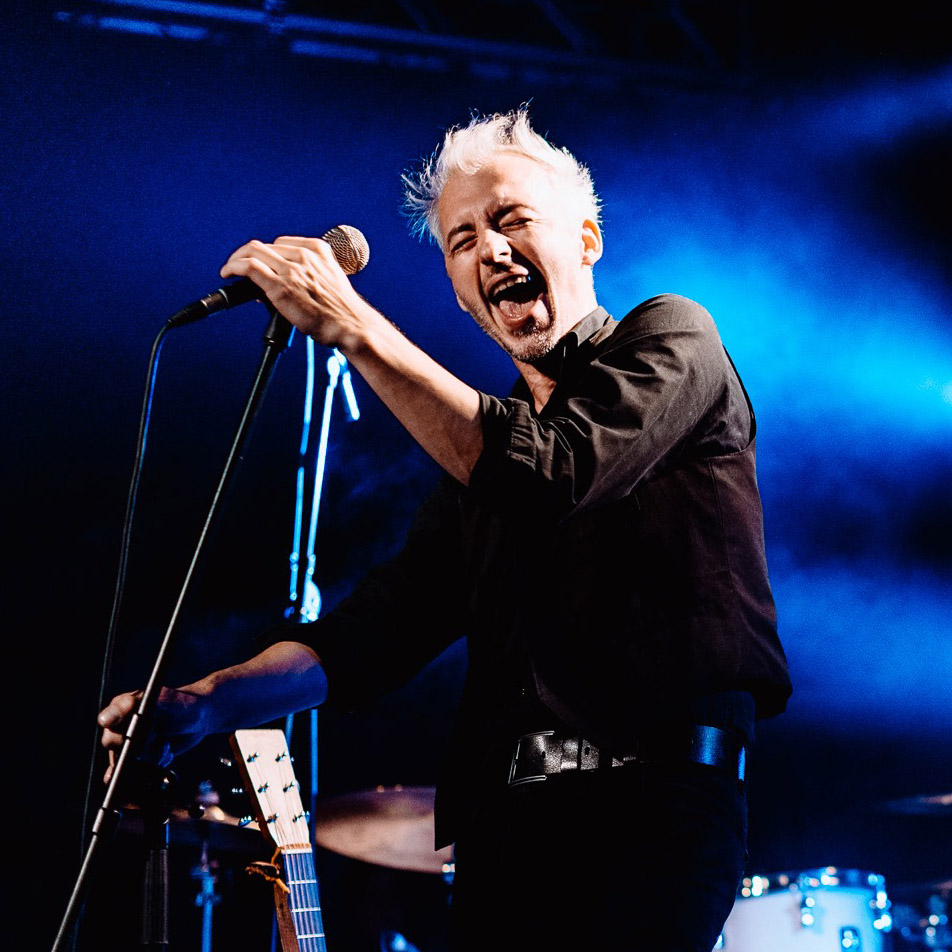
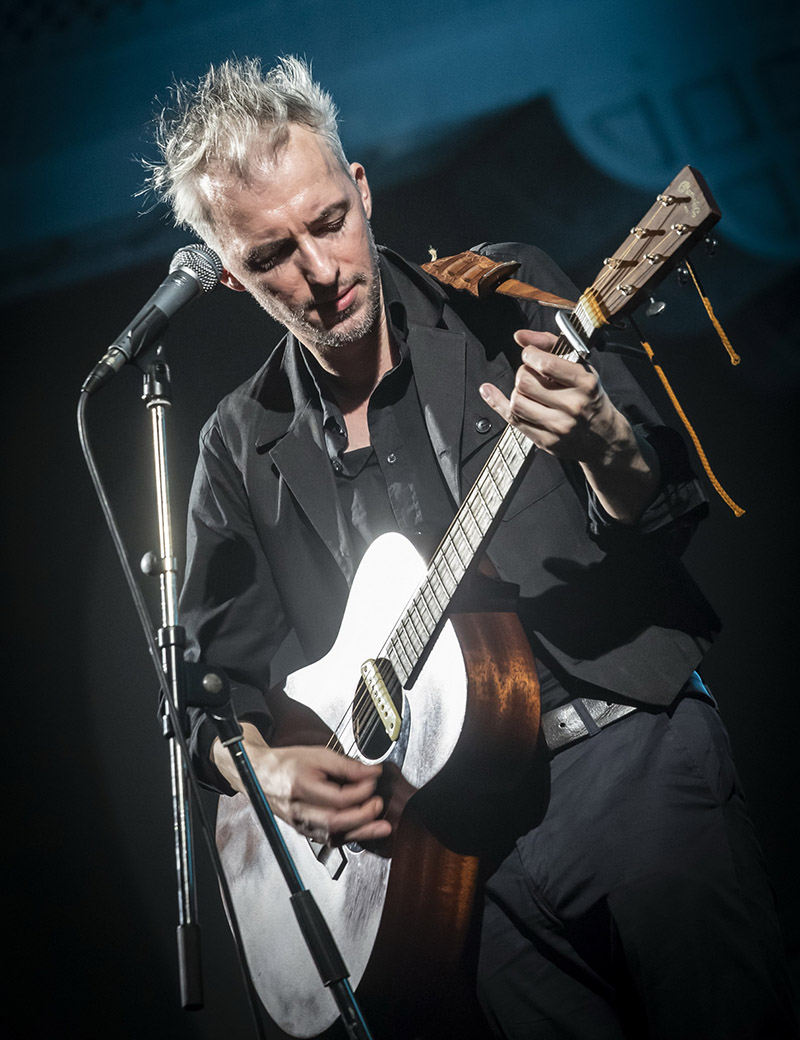
There are voices that do not seek attention, but somehow find you along the way, somewhere between the city, the night, and silence. Such is the voice of Nenad Marić, a singer-songwriter whose songs capture the rhythm of the streets and emotions that linger long after the final note. In the conversation that follows, we take you through his roads, cities, and moments that transform music into an experience.
Your songs often sound as though they were born somewhere between the street, the night, and a memorable conversation. Where do you most often “catch” an idea today — in the city, on the road, or in silence?
There is no real rule. Ideas are everywhere and appear in different situations. Places are not crucial, so it can happen during a walk, a drive, while doing routine tasks, in the morning, during the day, in the evening — there are no rules. A melody or a line of lyrics appears that sounds worthy of attention, and I usually write it down so I can work on it later, or it simply remains a note waiting for its moment.
You have performed at various festivals and venues across Serbia, from large stages to intimate spaces. Is there a particular event you would always gladly return to because of the atmosphere of the city and its audience?
I mostly carry positive memories from the places where I’ve performed. If I start listing them, I’ll surely leave something out, so forgive me for that. A concert at the Sombor Theatre, as part of a classical music festival a few years ago, was excellent, as was the concert in the park in Aranđelovac during the Marble and Sounds event. That park in Aranđelovac is truly wonderful. It’s a shame that the tradition of the marble sculpture colony was interrupted. Concerts in smaller towns can be special, including club performances. Festival appearances at various events, from classical to jazz and blues festivals, are memorable as well. I remember Mountain Music Fest at Divčibare — a beautiful atmosphere, a festival surrounded by nature. In general, I mostly play wherever I’m invited.
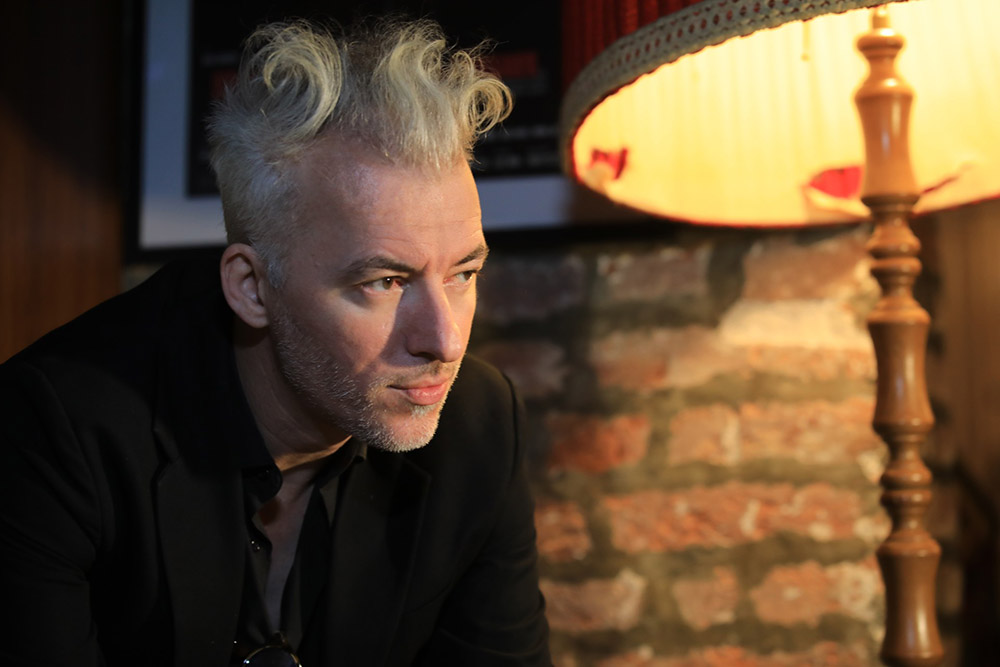
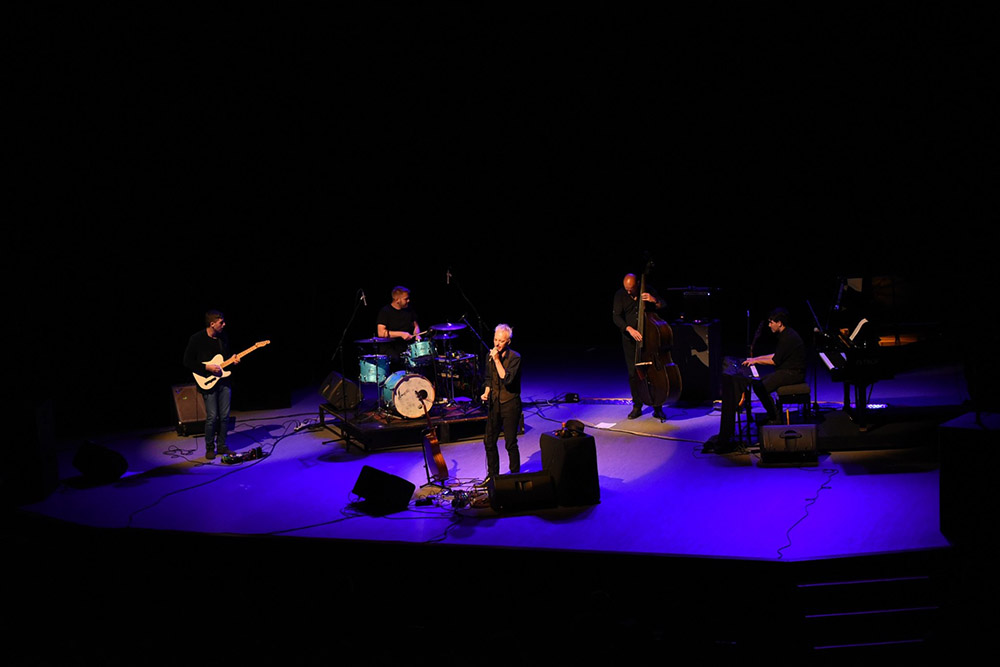
Your concerts are often very intimate, almost like conversations with the audience. Has there ever been a moment during a performance in Serbia that you still talk about today — perhaps an unplanned situation that became more important than the concert itself?
Nothing quite like that. The performance itself is always the most important thing. There have been various obstacles and challenges, but in the end everything usually works out more or less well, or at least well enough to make it feel meaningful.
You are an artist who carries both Čačak and Belgrade within you, but also a broader, more universal map. Are you more inspired by the place you come from or the place where you currently live?
Life itself inspires me, with all its virtues and flaws. Čačak shaped me in a way — I grew up there. I’ve now lived in Belgrade for almost more than half my life. I graduated from university there, so I can say Belgrade helped me grow further. Both cities are inspiring in their own ways. The motif of leaving a small town for a big city is something I explored in some of my songs. It’s a universal story.
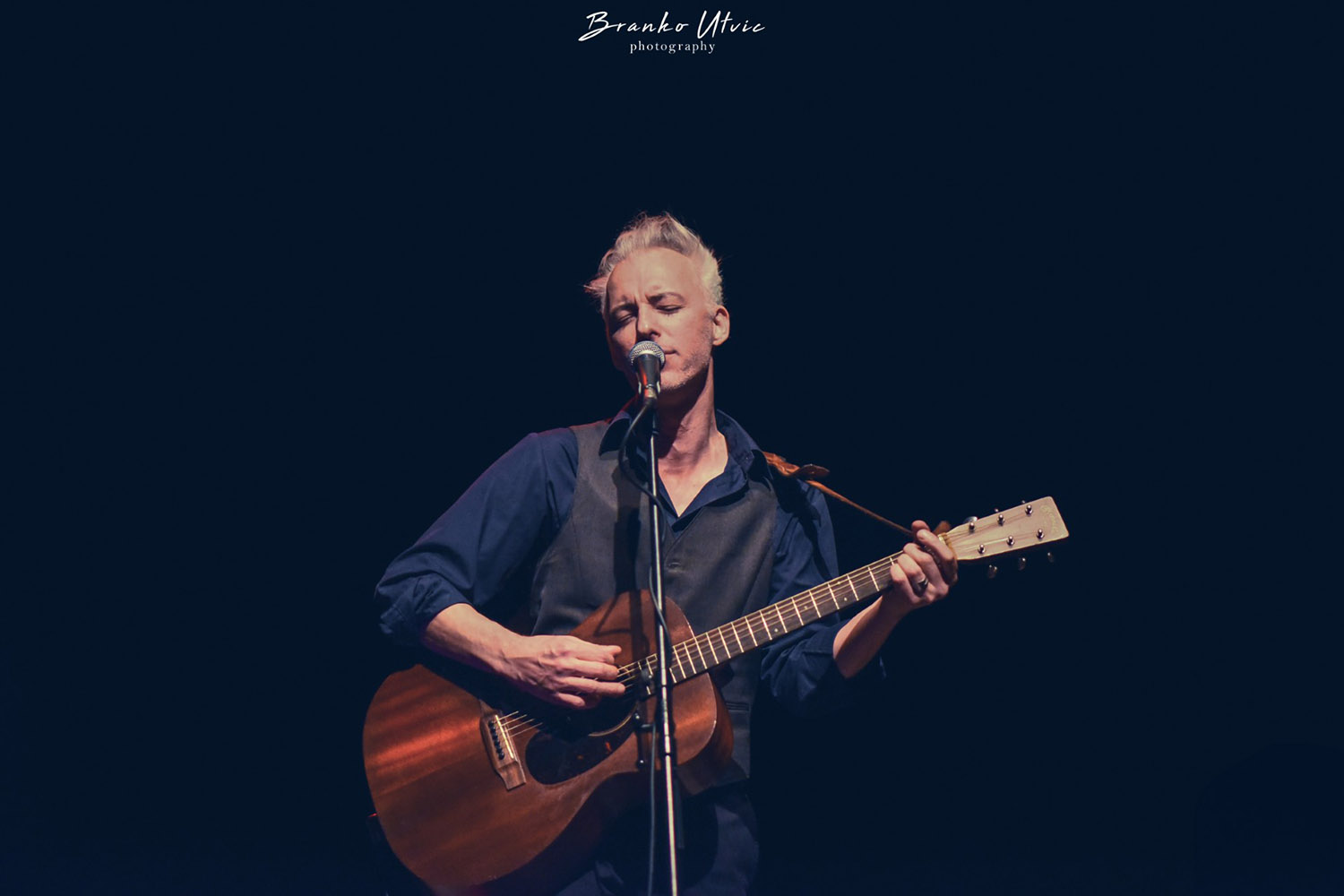
How much more open and direct can audiences in smaller towns be compared to those in larger cities? Have you felt that special closeness anywhere in Serbia?
A lot depends on the venue itself. It’s generally said that audiences further south are more open, while northern audiences tend to be more reserved, but there are no strict rules in my case because people who come to my concerts usually genuinely want to hear what I do live, and they are usually kind and cultured people. I don’t really have a large enough sample because of the media landscape, which makes it difficult for what I do — and what many of my colleagues do — to reach a broader audience due to the dominance of kitsch and commercial triviality, especially in smaller towns. Sometimes it becomes almost impossible to organize a concert in a smaller place because there is not enough audience, even though there are people who would genuinely like to hear and experience it. That is a matter of cultural policy and organization, which we know is lacking. Even so, there are enthusiastic individuals with a higher vision beyond profit, and thanks to them some truly interesting concerts and festivals still happen.
If you were creating your ideal festival in Serbia, what would it look like: at a fortress, on a square, by a river, in an industrial space, in a cultural center, or somewhere completely unexpected?
A difficult choice — all those spaces are interesting. But since warmer weather is coming, I’d say a festival in nature, perhaps by a river, with a good program.
Is there a festival or event in Serbia where you still haven’t performed, but you feel your songs would naturally belong there because of the atmosphere, the audience, or the city itself?
There are many places where I haven’t performed yet, many unused and neglected spaces. Some are literally falling apart. Perhaps cultural centers in smaller towns. Back in former Yugoslavia, those places had much richer programs. Ideally, those spaces should come back to life and host far more concerts, plays, and exhibitions.
If you had to describe Serbia through three images or three sounds you carry from your travels and concerts, what would they be?
Fantastic nature, enormous potential.
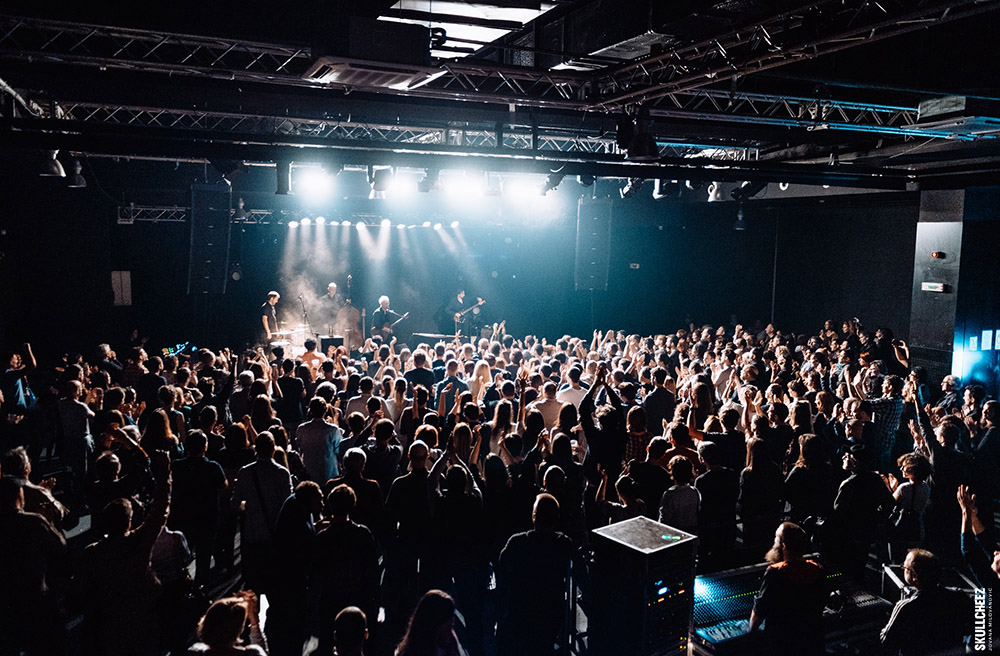
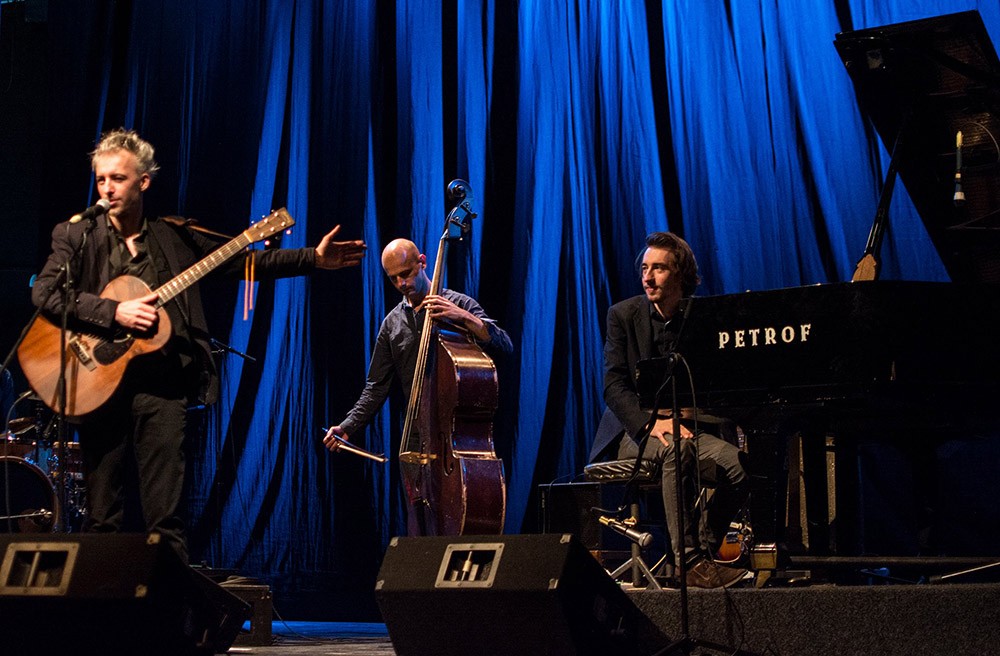
If one day you created a concert “outside the rules,” without a classic stage or format, where in Serbia would you place it and what would that encounter with the audience look like?
Perhaps an interesting idea would be a tour through villages, letting people hear some rock and roll live — maybe they’d like it. Besides, many people from cities have moved or are moving to the countryside, looking for an escape from urban madness, so perhaps the lack of audience would not be a problem at all.
If you had to recommend one musical event in Serbia to a foreign visitor — not necessarily the biggest one, but the one that best conveys the spirit of a place — what would it be and why?
It depends on the place, but in Čačak I would certainly recommend the Carousel Festival of Ambient and Ethno Music, which is something authentic for the city, unfortunately not sufficiently supported. It is a festival that brings musicians from across the region and beyond, giving people in the city a chance to hear, see, and experience something different.
After this conversation, one gets the impression that Kralj Čačka does not sing his songs only to audiences, but also to the cities he passes through. One of those encounters awaits the audience on May 15, 2026, at MTS Dvorana, when Belgrade will once again, for one evening, receive the soundtrack of its streets, nights, and emotions.
*Translation powered by AI