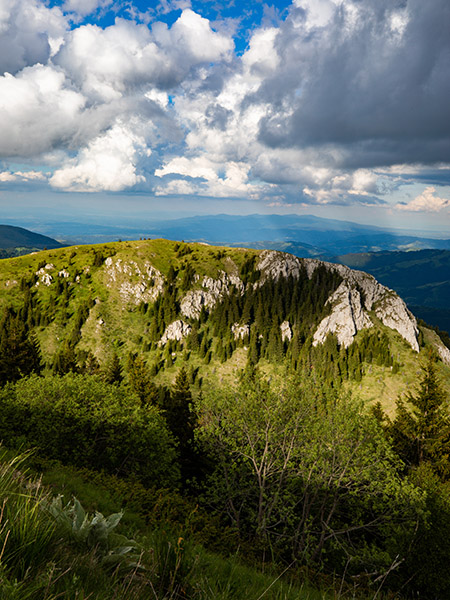
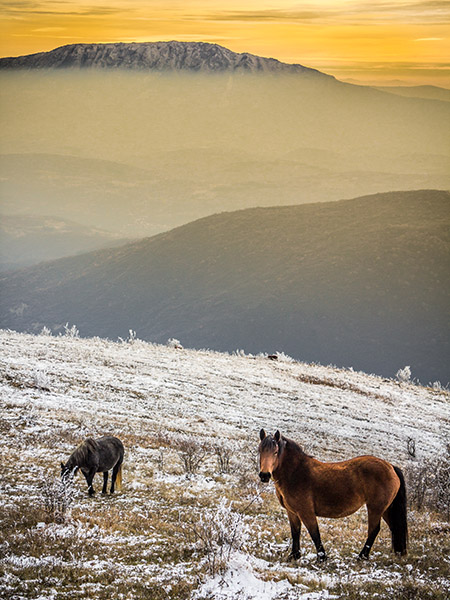
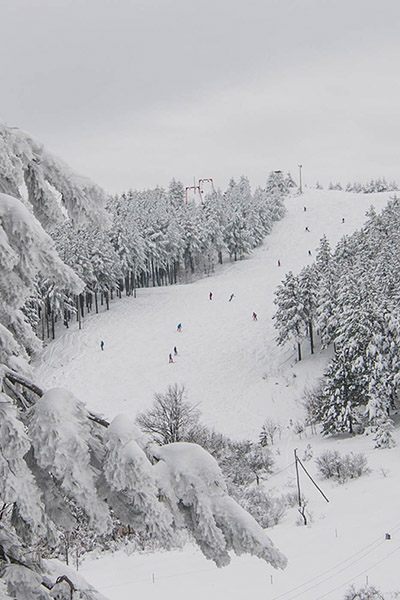
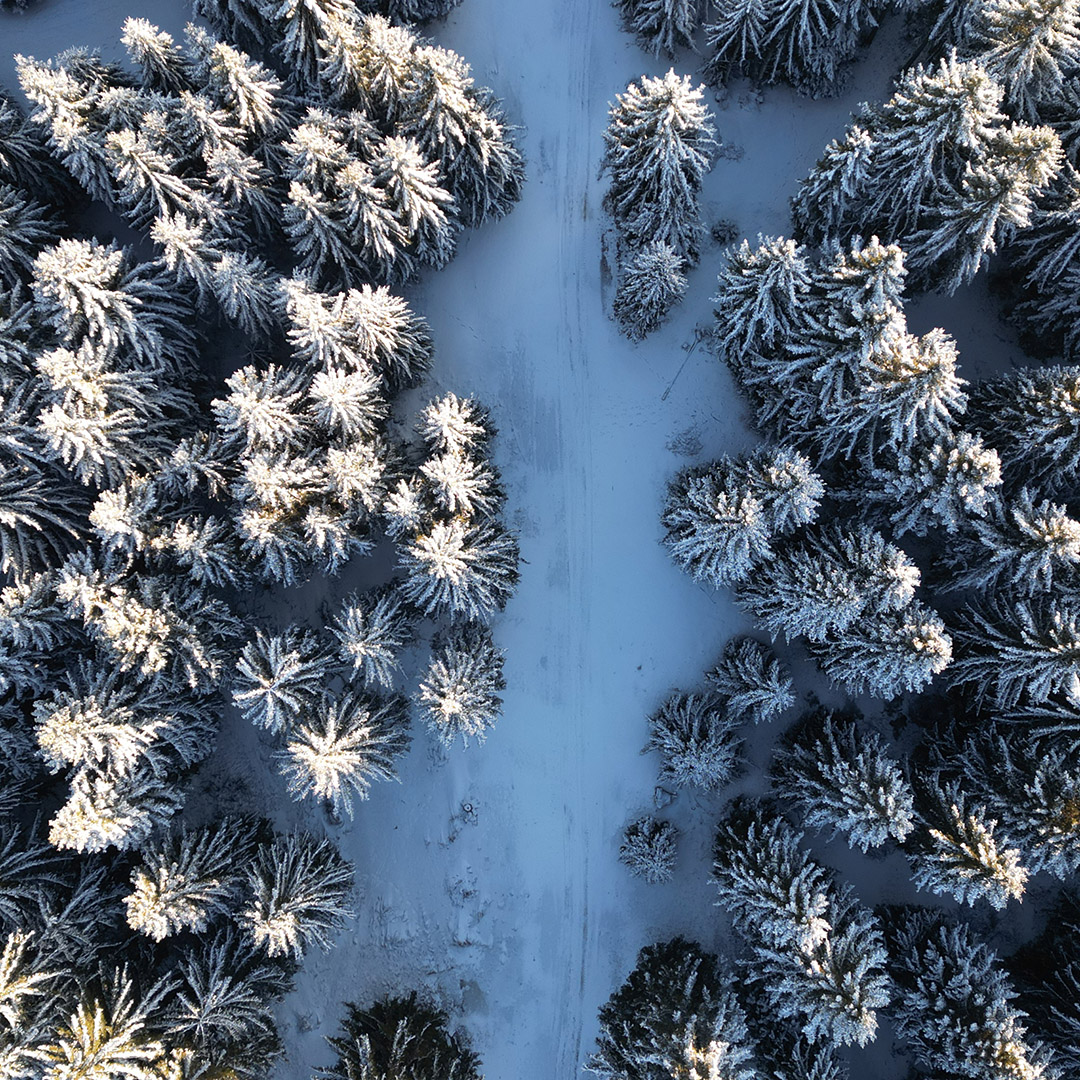
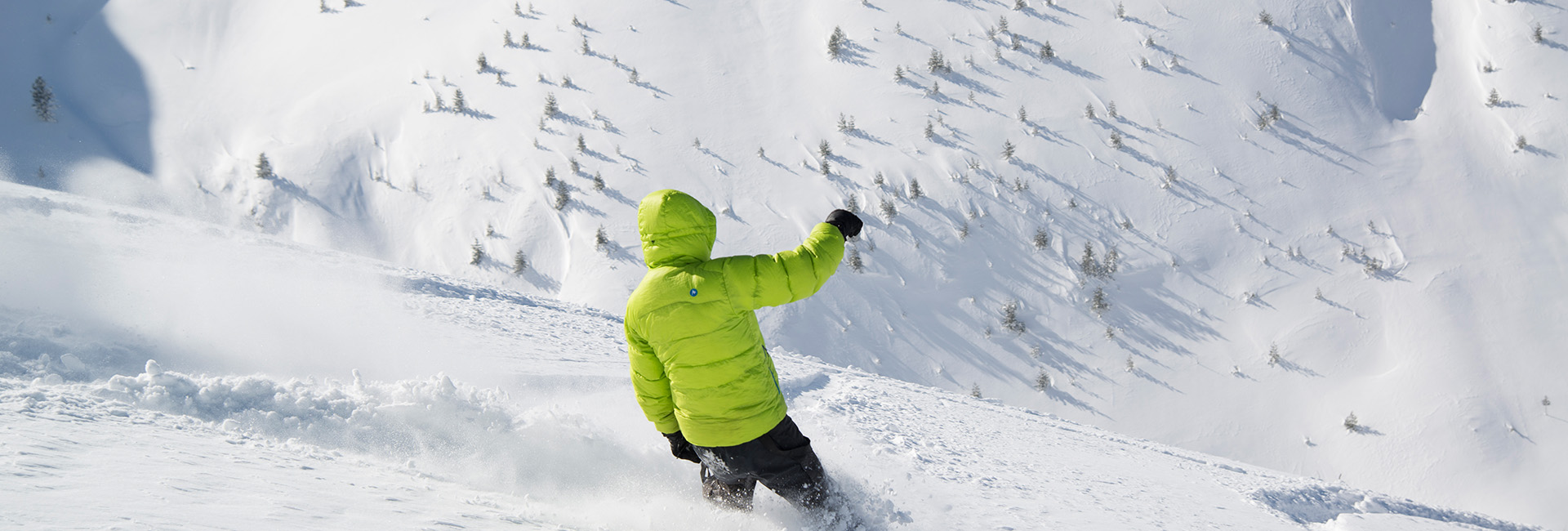
Measuring more than 80 kilometres in length, Kopaonik is the largest mountain massif in Serbia and one of the most popular tourist destinations, both in the winter season and during the summer months.
This mountain resort with the longest tradition of tourism in Serbia was opened to visitors back in 1893, when it was visited by Serbian King Aleksandar Obrenović.
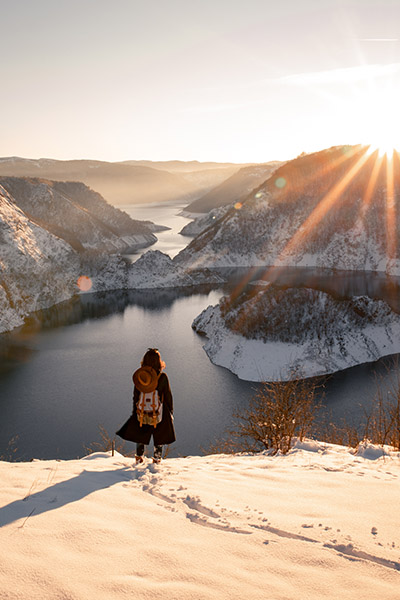
Situated in Western Serbia, circumscribed by the deep canyon of the river Drina, lies a mountain of heavenly scenery and boasting a divine name – Tara.
In the central part of Maljen mountain, at an elevation of 980 metres above sea level, lies the famous tourism resort of Divčibare.
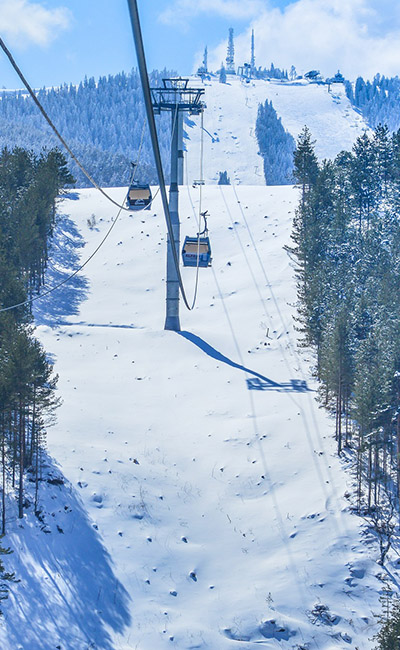
This mountain with up to five months of snow cover annually is fitted with a state-of-the-art ski lift system.
With its highest peak measuring 1,127 metres it is categorized as a low mountain, but the beauty of its nature and the wealth of its amenities are a match to Serbia’s much larger mountain ranges.
Golija is one of the most beautiful and thickly forested mountains in Serbia.
Zlatar is lush with fragrant meadows and clean lakes surrounded by Serbian spruce and birch trees.
Rajac, a mountain peak of exceptional natural beauty and boasting a pleasant climate, sits atop Suvobor mountain at an elevation of 848 metres above sea level.
With its wide massifs, Rudnik mountain dominates Central Serbia and the Šumadija region. Its name, which translates as “mine”, comes from its huge deposits of lead and zinc ore, which are still mined here.
Jastrebac mountain has one of the thickest forest covers in this part of Europe and is also one of the oldest mountains in Serbia, emerging as a huge island from the sea as early as the Tertiary Period.
In recent years the Pešter plateau – the largest plateau in the Balkan peninsula – has become a favourite destination for lovers of unspoiled nature.
Known for its diverse landscape and vivid colours, Šar Mountain is a true jewel of Southern Serbia.