

Fortalezas
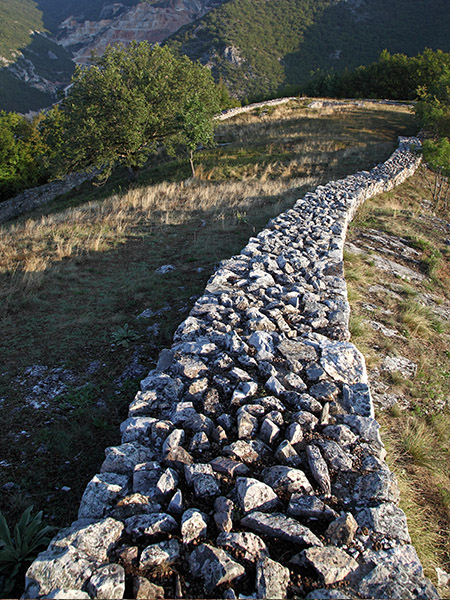
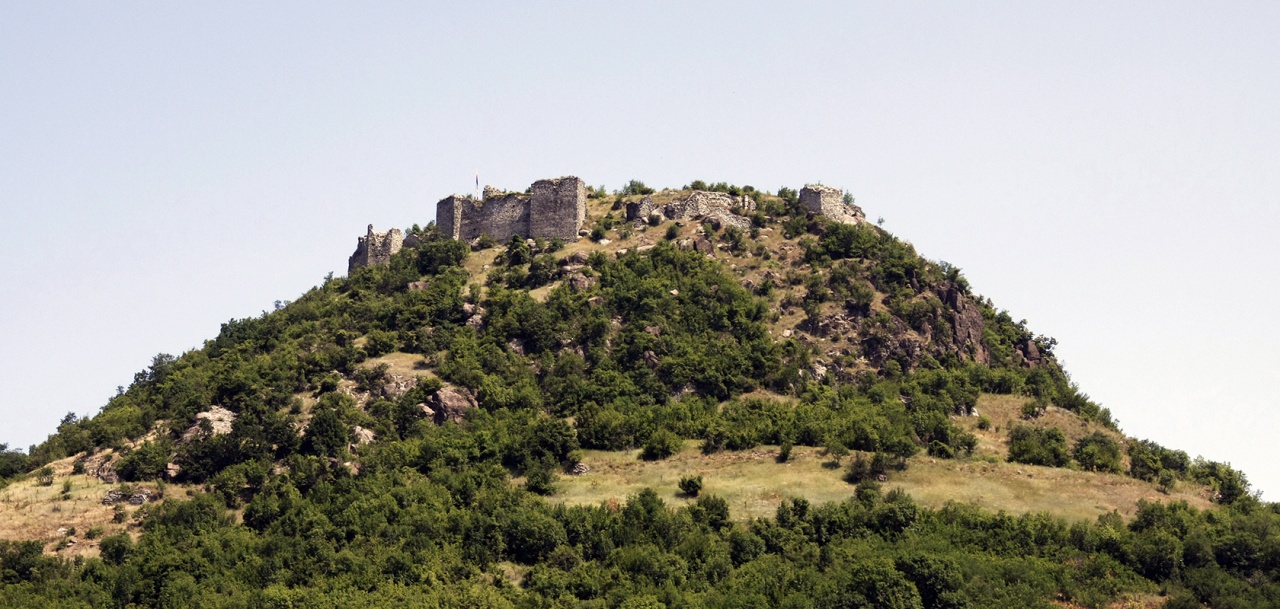
La Serbia actual está salpicada de los restos de decenas de fortalezas erigidas en lugares estratégicamente importantes: junto a los ríos, a lo largo de las rutas comerciales y en las fronteras de antiguos imperios. Hoy en día, las fortalezas de Serbia narran la historia turbulenta de estas tierras y transportan a los visitantes a la época de los gobernantes medievales, los caballeros y las grandes batallas.
Construidas para proteger ciudades, propiedades o monasterios, las fortalezas fueron un elemento crucial en las estrategias militares de los gobernantes medievales.
Algunas de ellas tuvieron una función estrictamente militar y aún hoy pueden verse restos de antiguos campamentos, arsenales y cuarteles. Otras evolucionaron hasta convertirse en auténticas pequeñas ciudades, con viviendas, escuelas y tiendas, así como iglesias y mezquitas, cuyos vestigios han resistido el paso del tiempo.
Una de las fortalezas más antiguas de Serbia es Stari Ras, inscrita en la Lista del Patrimonio Mundial de la UNESCO junto con los cercanos monasterios de Sopoćani y Đurđevi stupovi, así como la Iglesia de los Santos Apóstoles Pedro y Pablo (Iglesia de San Pedro).
Hoy en día, las fortalezas de Serbia narran la historia turbulenta de estas tierras y transportan a los visitantes a la época de los gobernantes medievales, los caballeros y las grandes batallas.
Algunas han adquirido una nueva vida, una nueva energía y un nuevo propósito como escenarios de eventos culturales y artísticos, mientras que las murallas de otras fortalezas medievales hoy protegen parques, galerías o incluso museos.
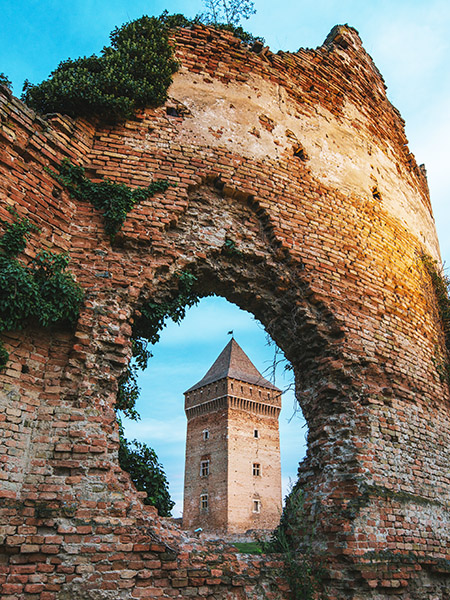
Bač Fortress
“Water town”, a fortress surrounded by a river, which one could access using drawbridges.It was designed to defend the flat, swampy area that surrounds it.
Leer más
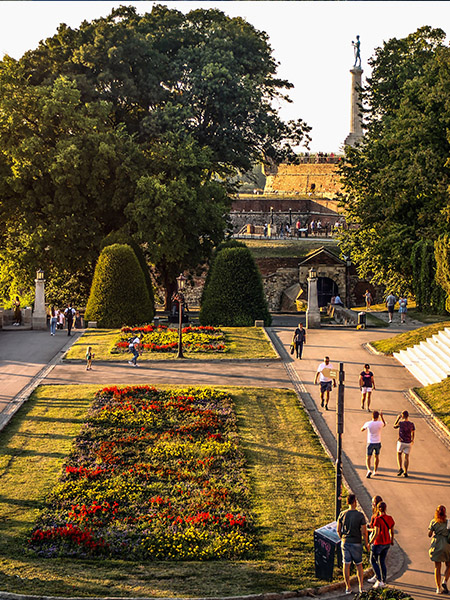
Belgrade Fortress
At the very heart of the Serbian capital city, where the river Sava meets the Danube, towers a monumental fortress from which modern Belgrade originally emerged.
Leer más
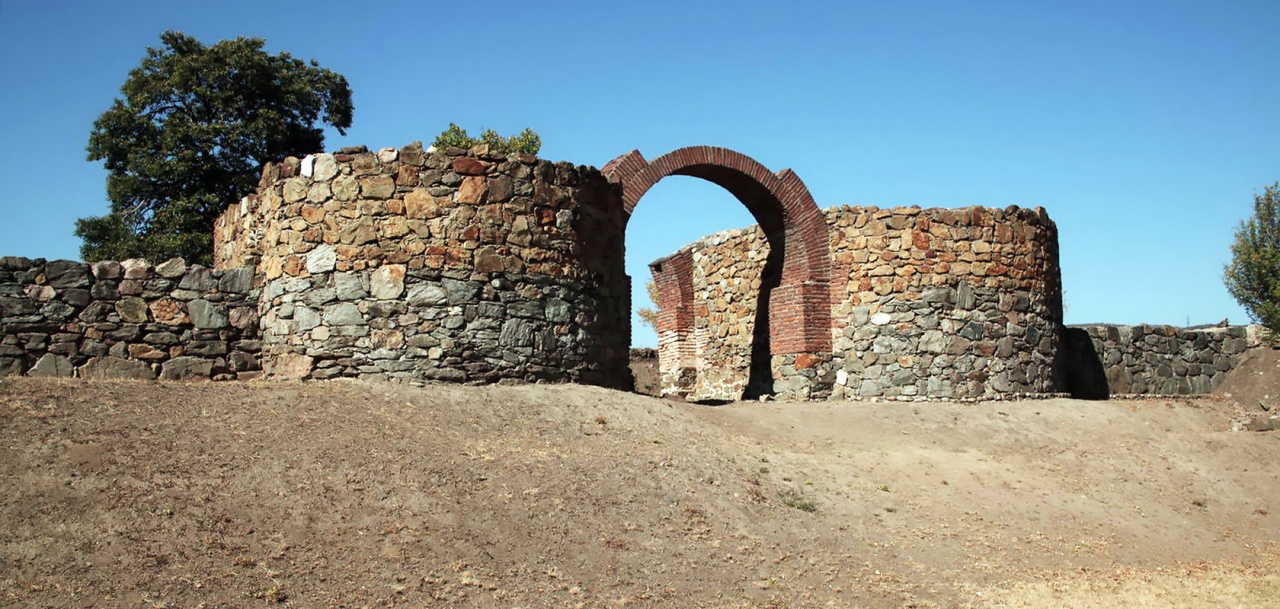
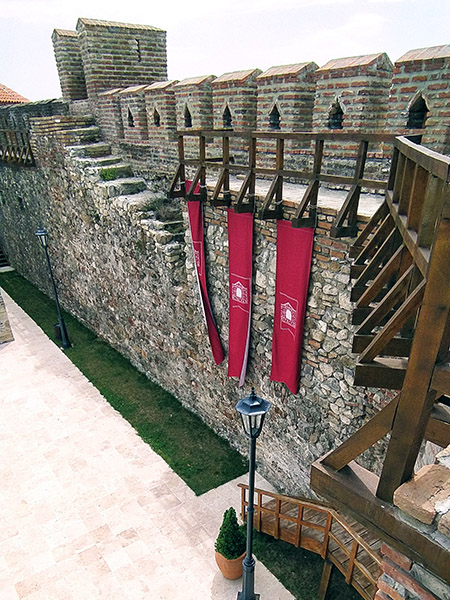
Fetislam fortress
Fetislam is made up of two fortifications, known as the Greater and the Lesser Fort, built separately in different epochs.
Leer más
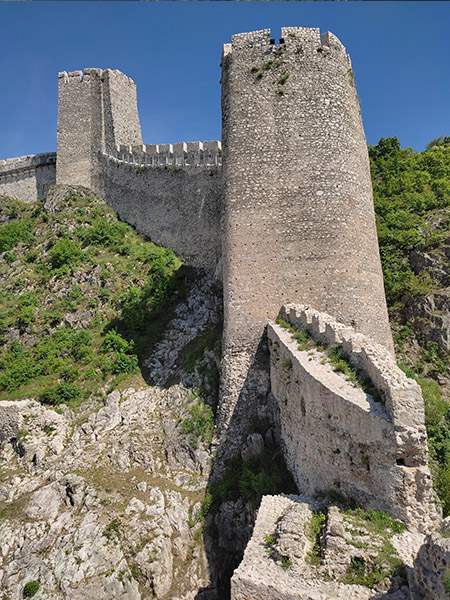
Golubac Fortress
Golubac Fortress, a medieval fortress dating back to the 14th Century, is perched atop a steep, rocky cliff on the right bank of the Danube.
Leer más
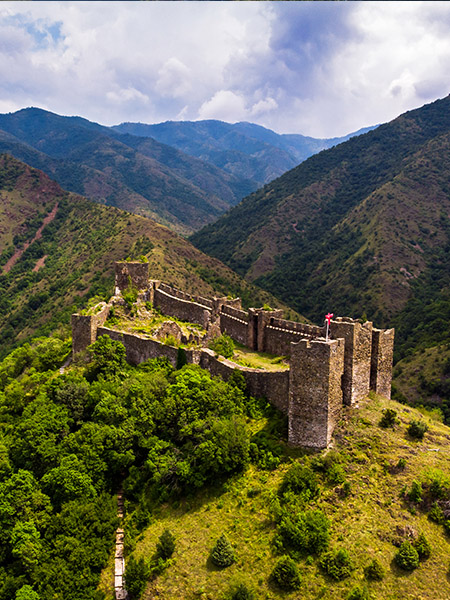
Maglič
Near the city of Kraljevo, on a narrow plateau on top of a rocky ridge by the river Ibar, stand the remains of the medieval city of Maglič.
Leer más
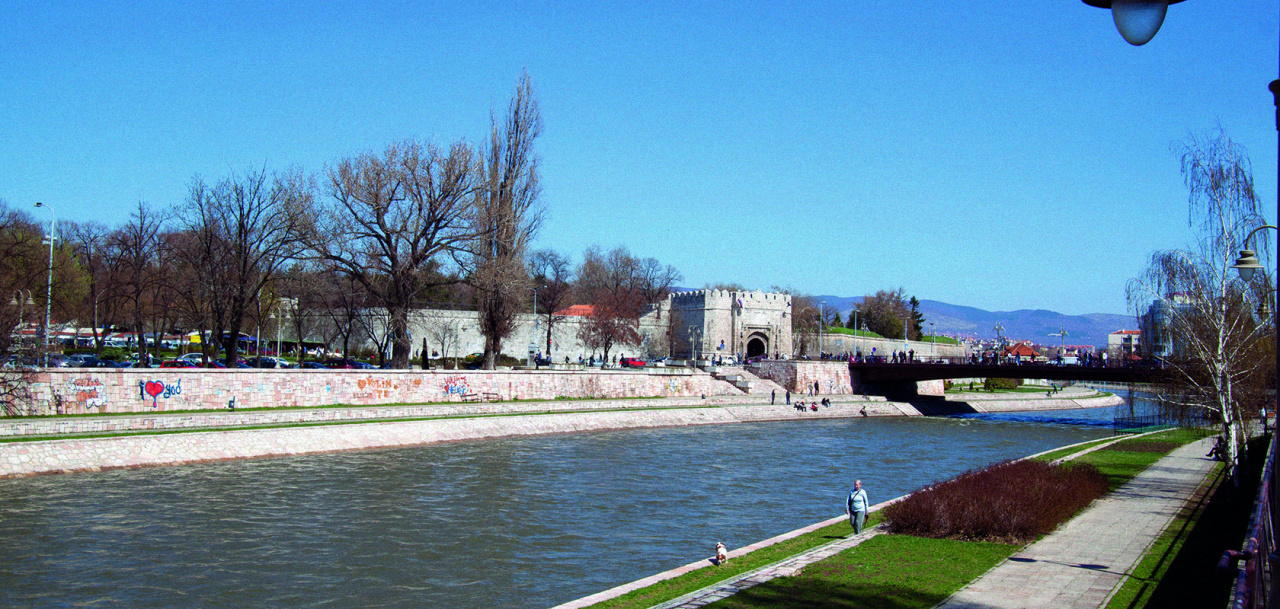
Niš Fortress
Niš Fortress is a well-preserved Turkish fortress from the 18th Century situated at the very heart of the city of Niš, on the bank of the river Nišаva.
Leer más
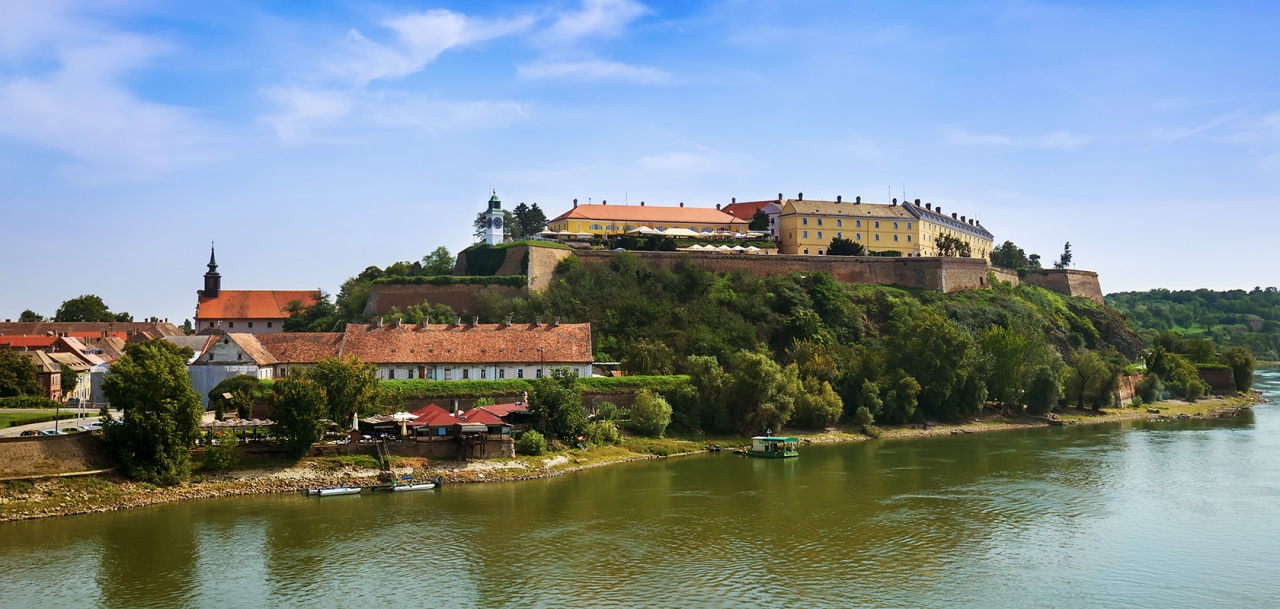
Petrovaradin Fortress
The Petrovaradin Fortress, the second largest in Europe, is situated in the city of Novi Sad, on the banks of the Danube.
Leer más
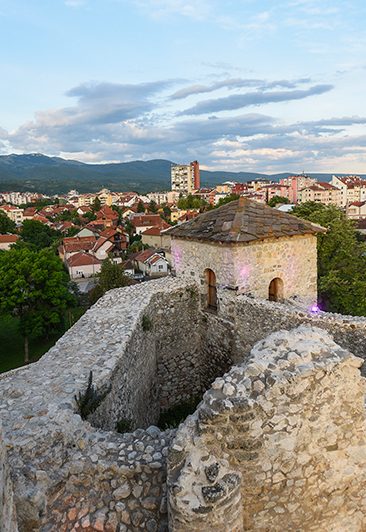
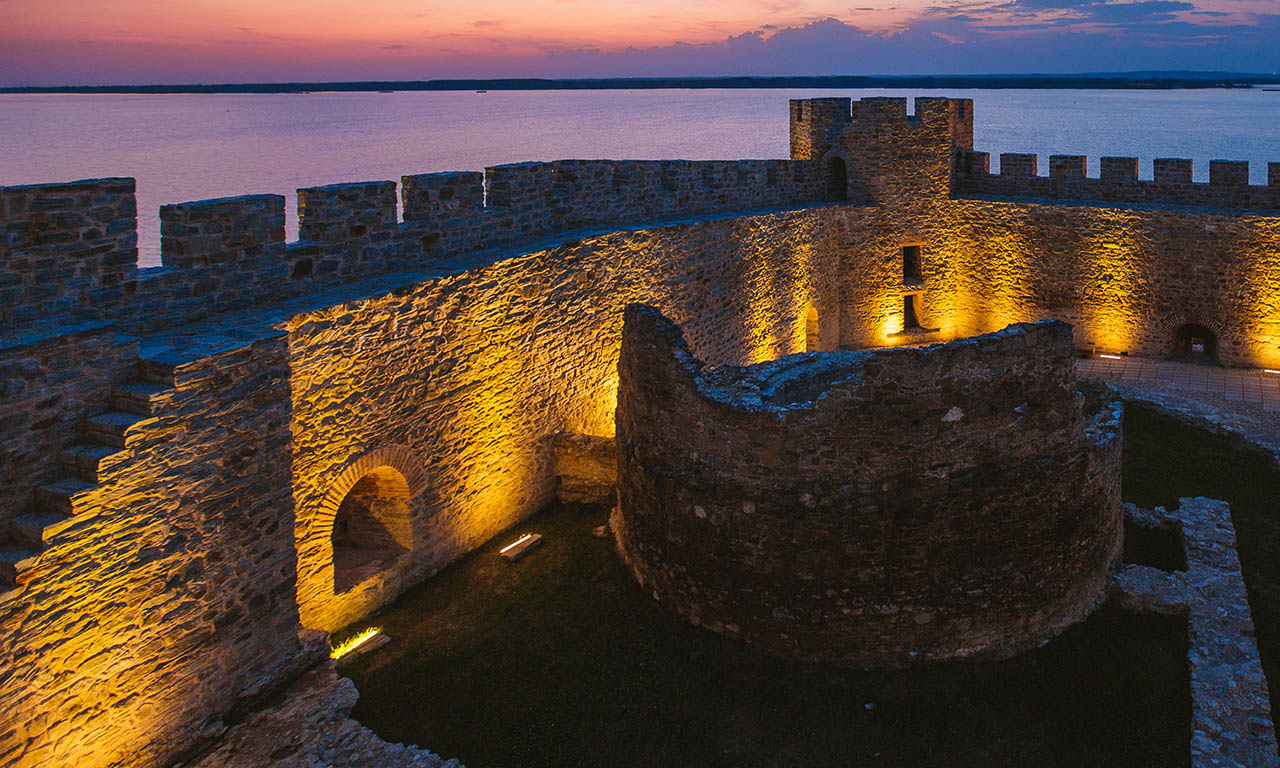
Ram Fortress
The first typical military artillery fortification on the right bank of the Danube, in the territory of the municipality of Veliko Gradište.
Leer más
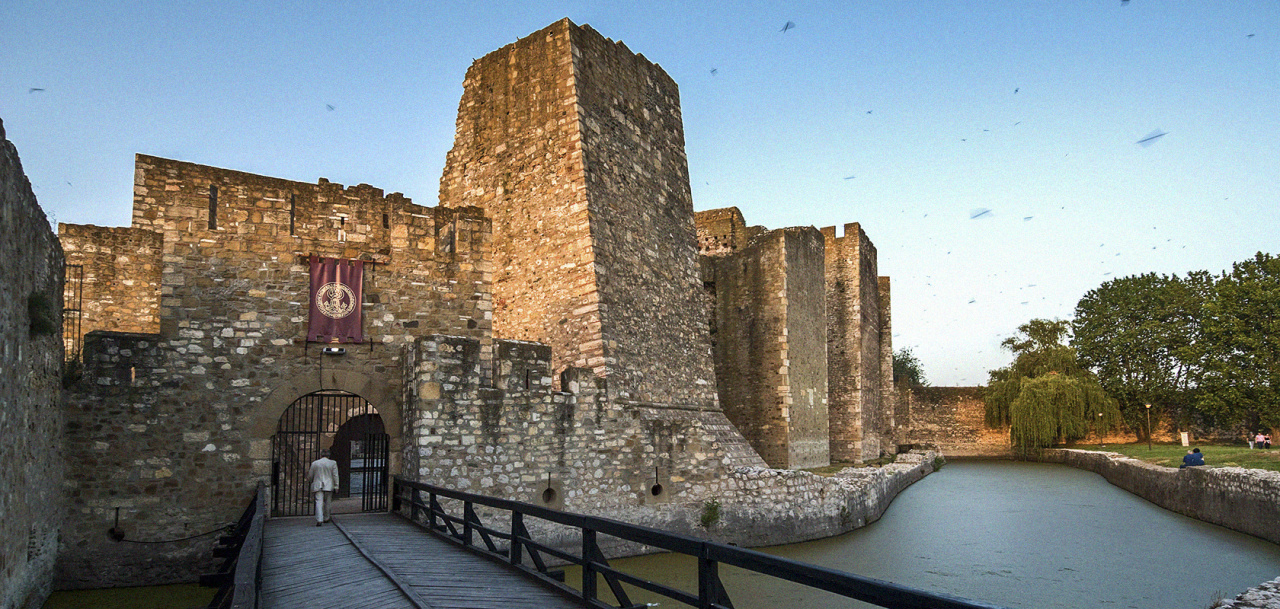
Smederevo Fortress
The city of Smederevo, on the right bank of the Danube, boasts a magnificent fortress built in the 15th century. Erected as a defence against Turkish invasion, this fortress is the last major achievement of Serbian medieval military architecture.
Leer más