


What first drew you to photographing nature and wildlife in Serbia – and do you remember the moment you realized this was more than just a hobby?
My generation was fortunate to grow up watching beautiful TV shows such as Survival and films by Petar Lalović like The Last Oasis and The World That Is Disappearing. Because of that, there was always a desire within me to see those animals up close, in their natural habitat.
Since I spent weekends and school holidays at my grandparents’ village in Međa and Srpski Itebej, I passed most of my time riding a bicycle through nature, searching for eagles, foxes, hedgehogs, and other animals that lived in those areas. When I found them, I would slowly approach and observe them for hours, often witnessing many fantastic moments that I had previously seen only on television.
At some point, I wished for a way to capture those scenes myself, to create something similar to the films I had watched and to convey to my surroundings the beauty of that “world around us” — the beauty of the country I live in and believe to be the most beautiful in the world.
©Divlja Srbija – Predrag Kostin
©Divlja Srbija – Predrag Kostin
If you had to “describe Serbia through the lens” to someone who has never been here, what would be in the frame?
This is a difficult question, and I’m afraid there isn’t enough space to list all the natural beauties Serbia has to offer. But first and foremost, I would present it through our national parks: Đerdap, Tara, Kopaonik, Fruška Gora, and Šar Mountain, as well as through special nature reserves such as Stari Begej–Carska Bara, Zasavica, Obedska Bara, Jelašnica Gorge, Golija, Deliblatska Peščara, Gornje Podunavlje, and many others.
For every nature lover, there is something fascinating here — rivers, lakes, waterfalls, caves, plant and animal species, folk customs, and traditional events.
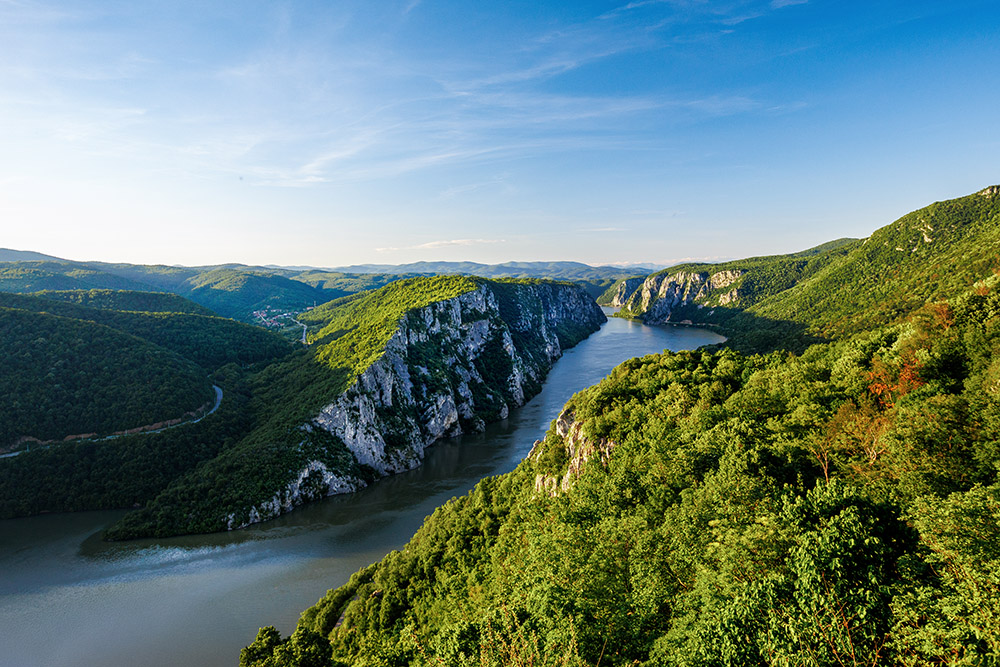
Since wildlife photography is my main focus, I would certainly recommend the Uvac River Canyon, home to one of the largest colonies of griffon vultures in the Balkans; Carska Bara, where all eight heron species found in Serbia live and nest; and the Special Nature Reserve Gornje Podunavlje, home to the magnificent red deer, black stork, and white-tailed eagle. It is truly difficult to single out just one destination.
©Divlja Srbija – Predrag Kostin
©Divlja Srbija – Predrag Kostin
Serbia is home to numerous bird species, foxes, wolves, and other wild animals. Which regions or habitats have surprised you most with their diversity?
When I photograph, I focus on a specific species, and the other characteristics of the area tend to remain outside my frame of attention.
However, this year I had the honor of photographing in the Đerdap Geopark for the creation of a photo monograph, so the focus was on everything — from the natural wealth of the region to its spiritual and traditional values that everyone should experience.
I also had the opportunity to explore the Vršac Mountains with the renowned Mile Vučanović, who showed us just how diverse these mountains are in terms of wildlife.
Many people have prejudices about certain regions because they appear monotonous at first glance, but once they move away from populated areas and the surroundings grow quiet, nature reveals itself in its true light — rich and beautiful.
And if you have a local guide who can take you straight into the “heart” of that area, then you have truly won.
©Divlja Srbija – Predrag Kostin
Birdwatching is becoming increasingly popular worldwide. Based on your experience, is Serbia a good destination for this type of tourism, and which places are the most attractive for this hobby?
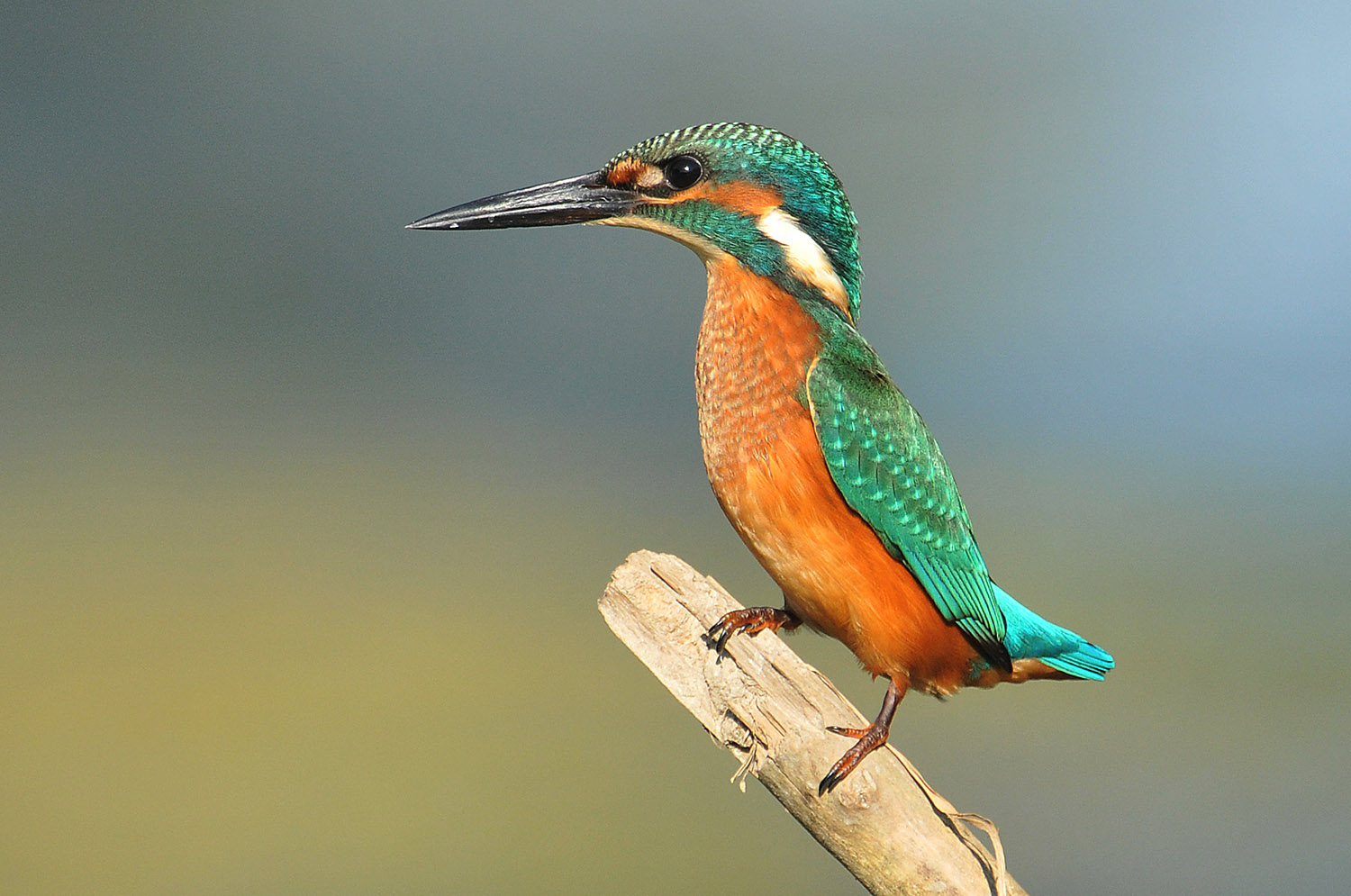
Birdwatching is very widespread globally and enjoyed by all age groups — from small children to adults. People often form groups and travel intentionally to specific locations at certain times of the year to observe particular species and enrich their observation logs.
In some neighboring countries, bird and wildlife watching generates significant income for local communities. What is crucial for this type of tourism is the competence of guides and the attitude of site managers toward the natural assets they oversee.
Serbia has a fantastic geographic position, as it lies along major migratory routes used by many bird species during winter migration, with some of these migrants even staying in our country due to favorable winter conditions.
When we add the large number of protected areas in Serbia where many nesting species breed, it becomes clear that our country is ideal for this form of tourism.
I would single out the Special Nature Reserves of Stari Begej – Carska Bara and Obedska Bara, places I always return from with a large number of beautiful photographs.
©Divlja Srbija – Predrag Kostin
Are there viewpoints or “quiet places” in Serbia that you always return to — because of the light, the landscape, or the moments you experience there?
More or less, these are well-known viewpoints that have been photographed countless times. In my opinion, the key lies in timing — arriving early in the morning when life awakens, or late in the afternoon when animals prepare to rest or begin hunting. Not to mention that this is when the light is best for photography, allowing you to fully enjoy the true beauty of the view.
I would especially single out the Ploče and Kovilovo viewpoints in Đerdap National Park, as well as Banjska Stena and Crnješkovo in Tara National Park.
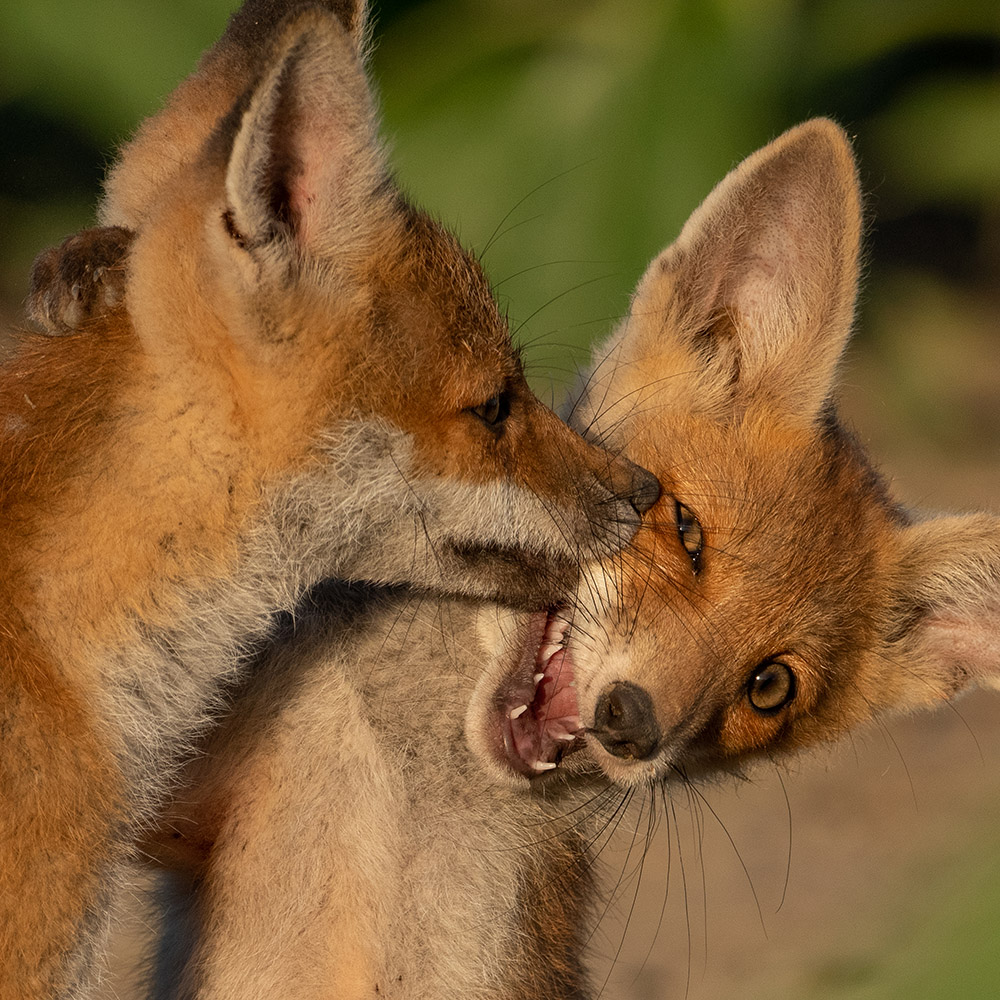
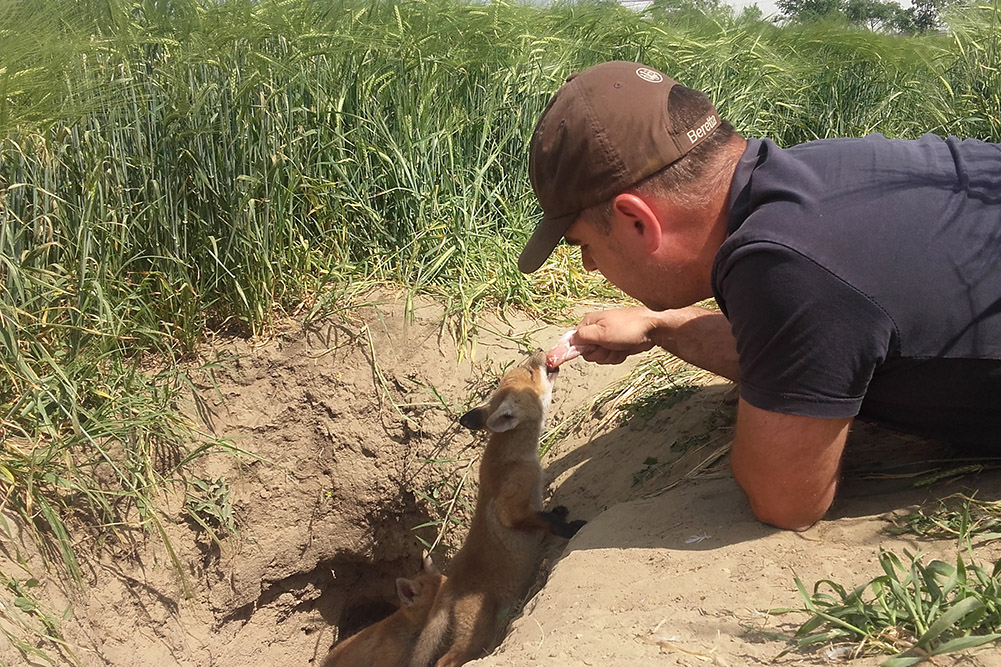
As for the “quiet places” I always return to, these are the Danube and Tisa floodplain forests, where black storks rest during migration, where young white-tailed eagles learn to hunt, where deer cool off in the water during hot summer days, and where young foxes play carefree in front of their dens.
In addition to these “wild” places, I often visit remote villages which, although partially abandoned, still preserve the spirit of our ancestors who lived in harmony with nature and the world around us.
©Divlja Srbija – Predrag Kostin
©Divlja Srbija – Predrag Kostin
Wildlife photography often means early mornings, long waiting, and great patience. What does a typical day in the field look like for you?
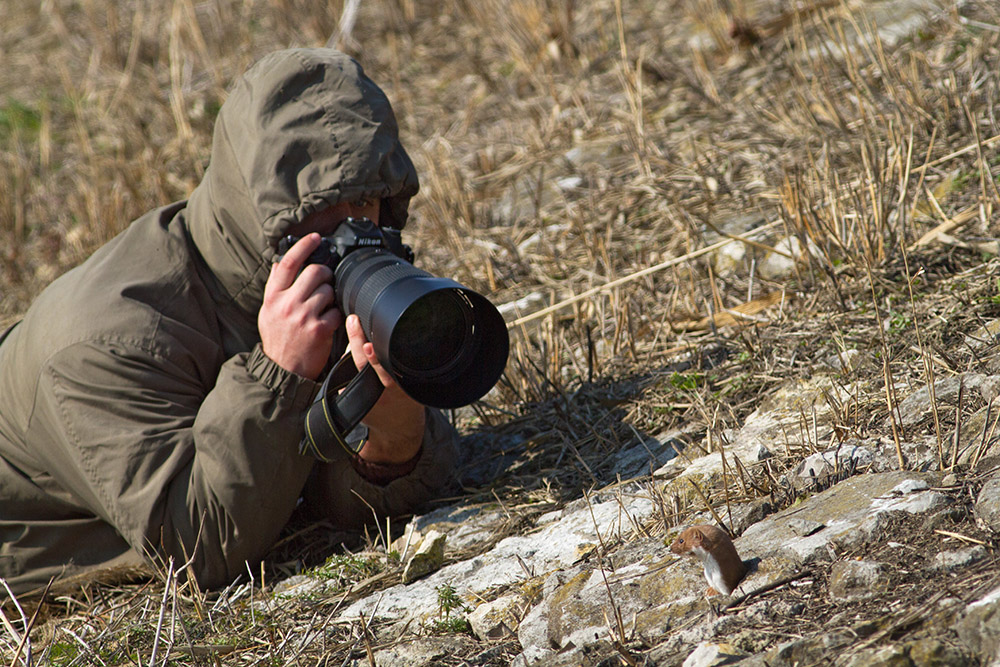
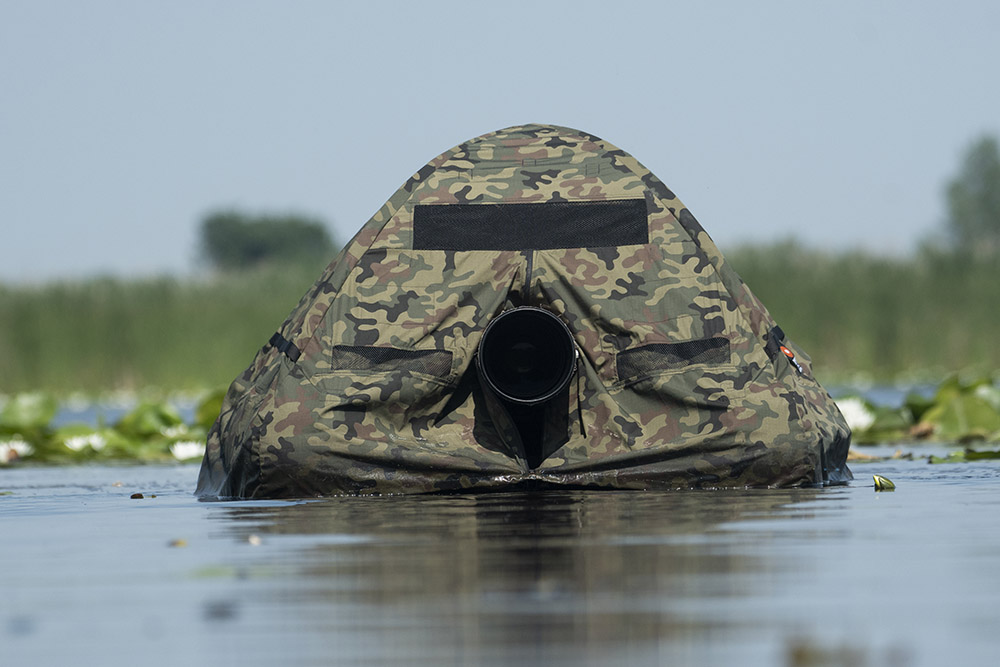
I try to visit the location several days before photographing and prepare a hide, which I enter while it’s still dark so that animals won’t notice me.
Then comes the most demanding part — waiting, which sometimes lasts the entire day until the animal appears. Finding where an animal spends its day is one part of the job, but whether it shows up that day depends on many factors.
Since wild animals have extremely well-developed senses, I must minimize movement while inside the hide. Weather conditions play a major role as well — if the wind is unfavorable, there is no photography. At the slightest hint of danger, the animal will not emerge or will quickly retreat into the safety of the forest.
True enjoyment begins when everything aligns perfectly and animals approach without knowing you are nearby. They go about their daily lives, and that feeling is priceless and often adrenaline-filled. In that moment, all the hardships fade away, and you wish the day would last forever.
©Divlja Srbija – Predrag Kostin
Which season in Serbia is the most exciting for you photographically, and why — and what would you recommend visitors not to miss then?
Each season carries its own beauty, but for me, the most beautiful seasons for nature photography are spring and autumn.
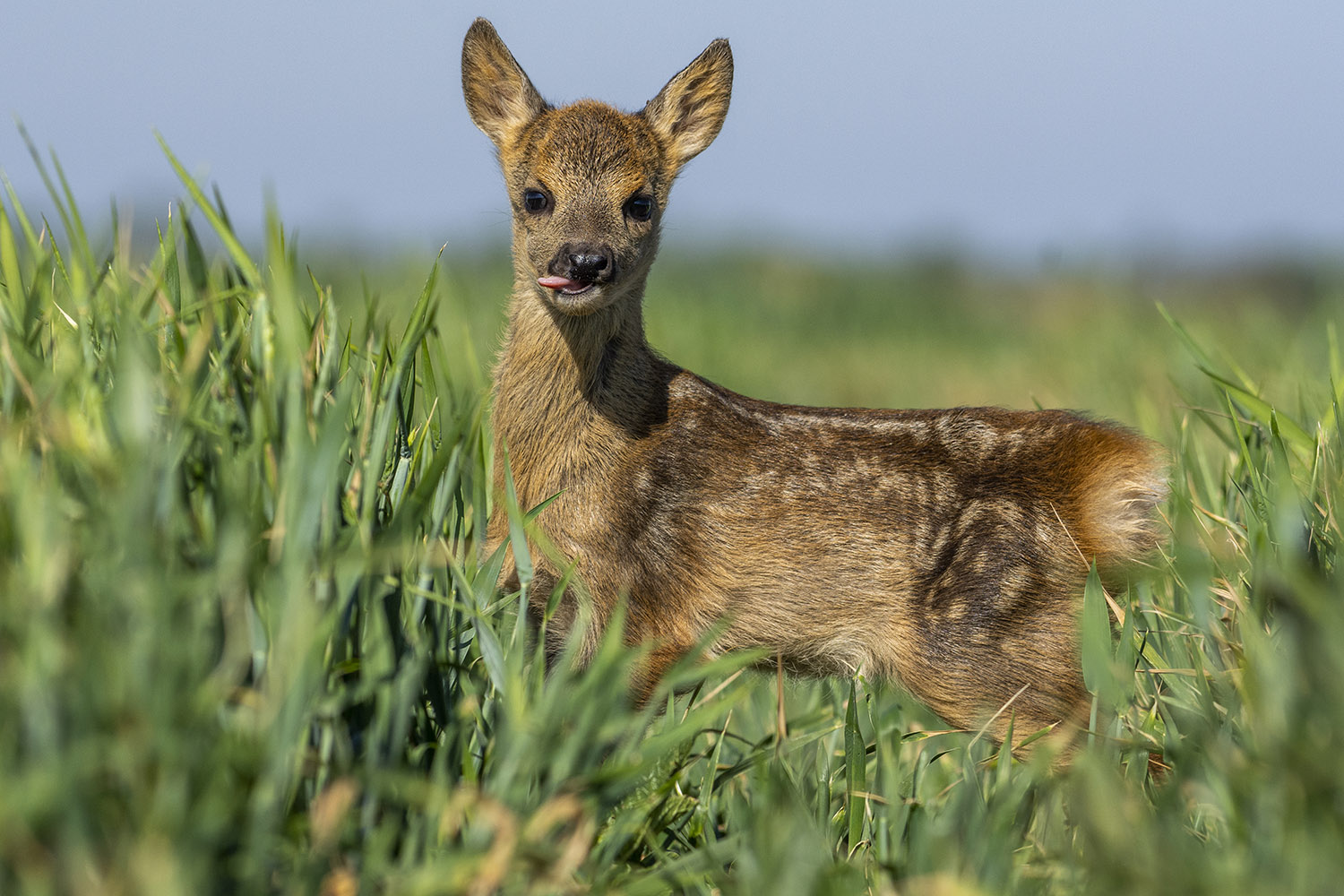
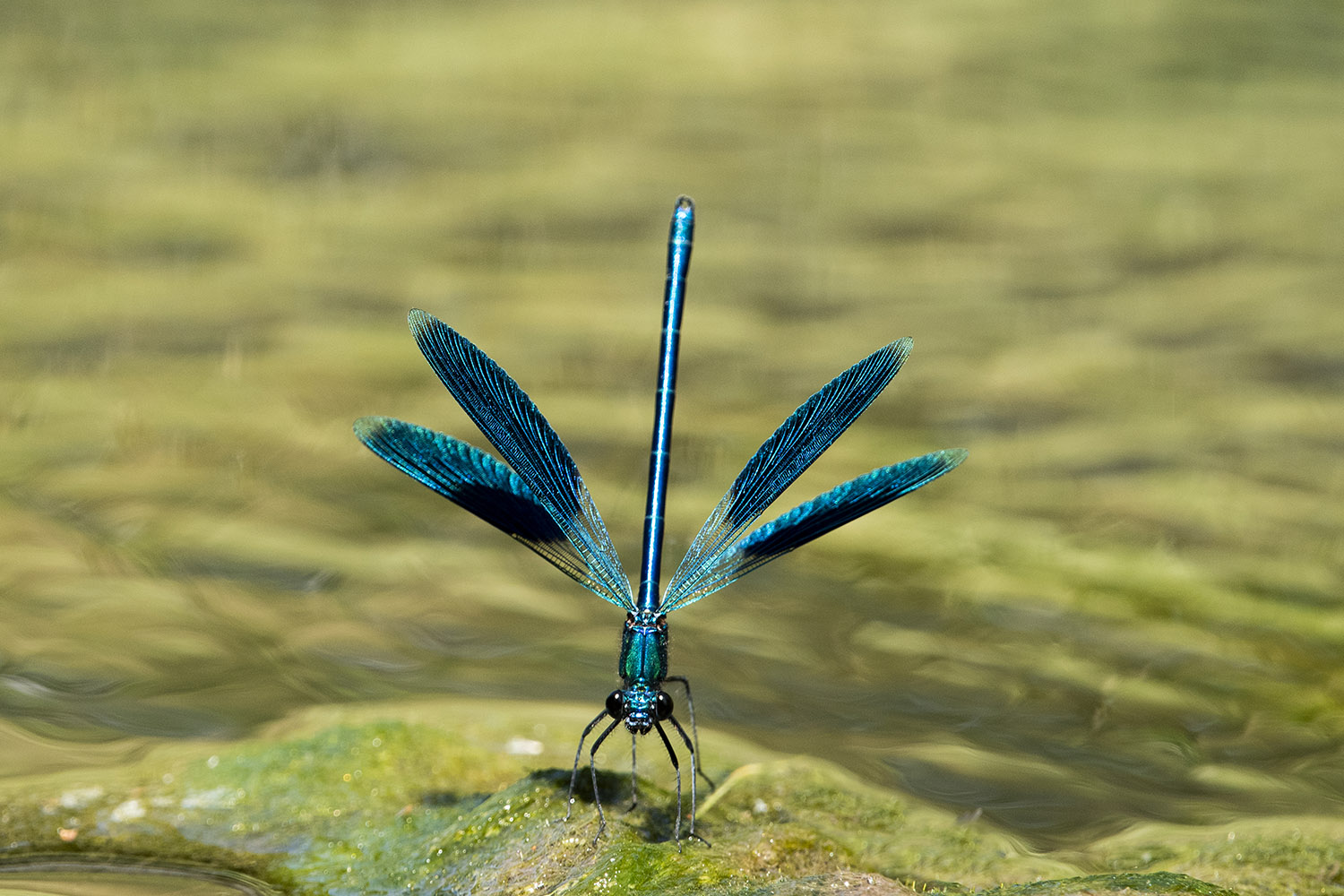
Spring is when nature awakens and new life begins. Wildlife is less cautious due to mating rituals and territorial battles among males, making it easier to approach them. Mountains become a paradise for photographing songbirds, bears, and roe deer, while lakes and rivers are full of wetland birds, otters, beavers, white-tailed eagles, and many other stunning creatures.
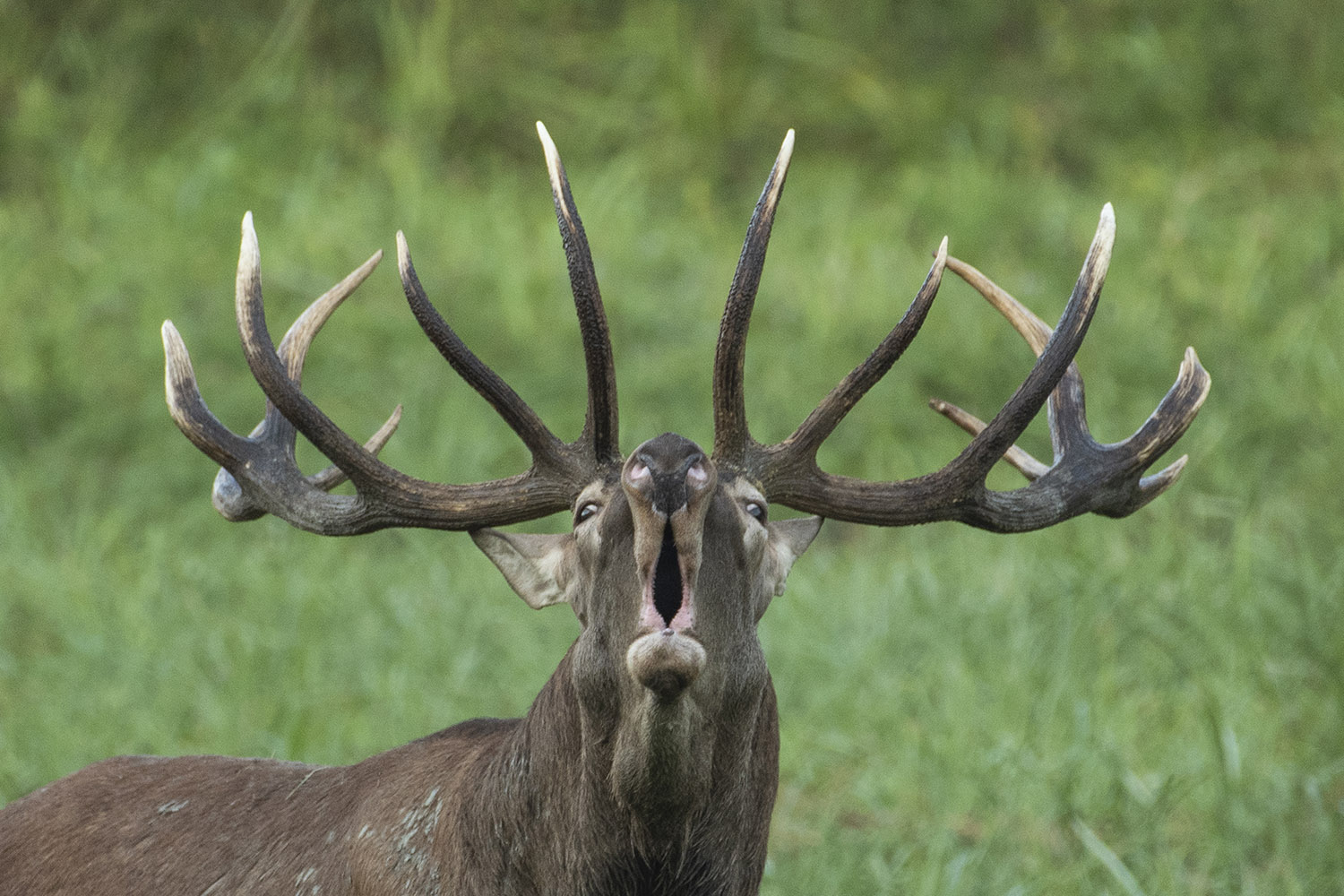
Autumn is a time when nature and its inhabitants slowly prepare for winter. Bird migrations are in full swing, offering countless opportunities for observation and photography. Animals become more active throughout the day as they gather food to build fat reserves. The explosion of autumn colors allows for spectacular landscape photography, and in Đerdap, Kopaonik, Tara, Zlatibor, and many other Serbian mountains, the “deer rut” begins — a natural spectacle where stags battle to protect their harems from rivals.
©Divlja Srbija – Predrag Kostin
How important is respect for nature and wildlife in your work, and what should every traveler know before exploring Serbia’s natural landscapes?
When photographing wildlife in their habitats, we are essentially entering their home and disturbing the harmony in which they live. Therefore, even before any obligation, it is desirable to leave that home exactly as we found it.
Any disturbance to animals during their life cycles causes stress. Some species tolerate it better, while others may abandon their young or territory, which can be fatal.
Institutions managing national parks and protected natural areas have clearly defined regulations on permitted activities, and it is essential to follow them. For any activities in such areas, we must consult professional services.
Humans are only a part of nature, and as such, we must be aware and responsible, preserving it for future generations.
©Divlja Srbija – Predrag Kostin
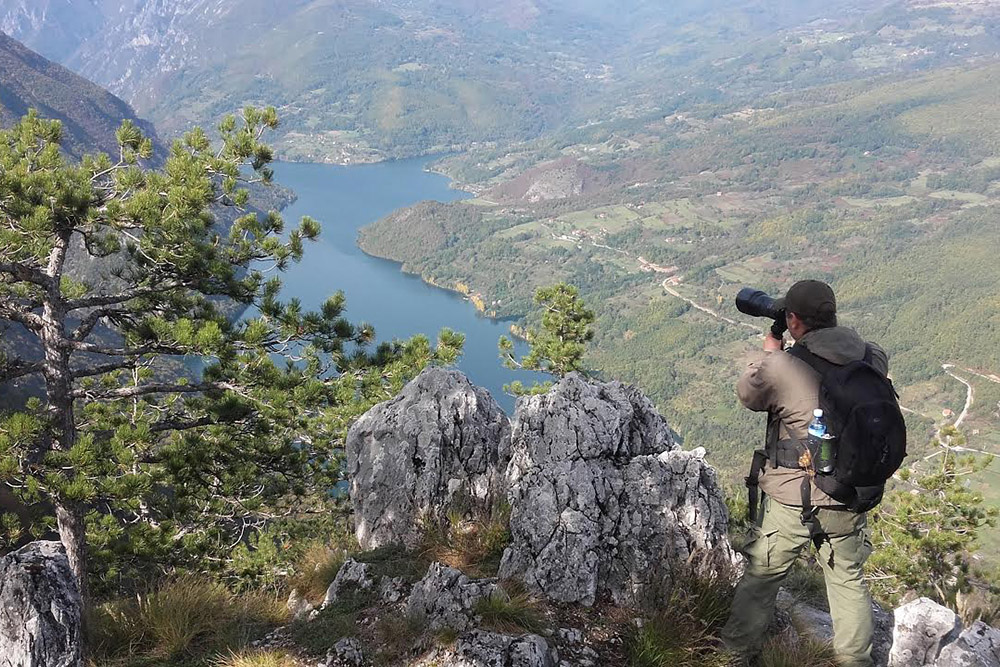
©Divlja Srbija – Predrag Kostin
Has there been an unexpected or humorous anecdote in the field over the years — a moment that never made it into a photograph but stayed with you forever?
For us photographers, no matter how close we get, animals are always just out of reach — we want to photograph the pupil of their eye.
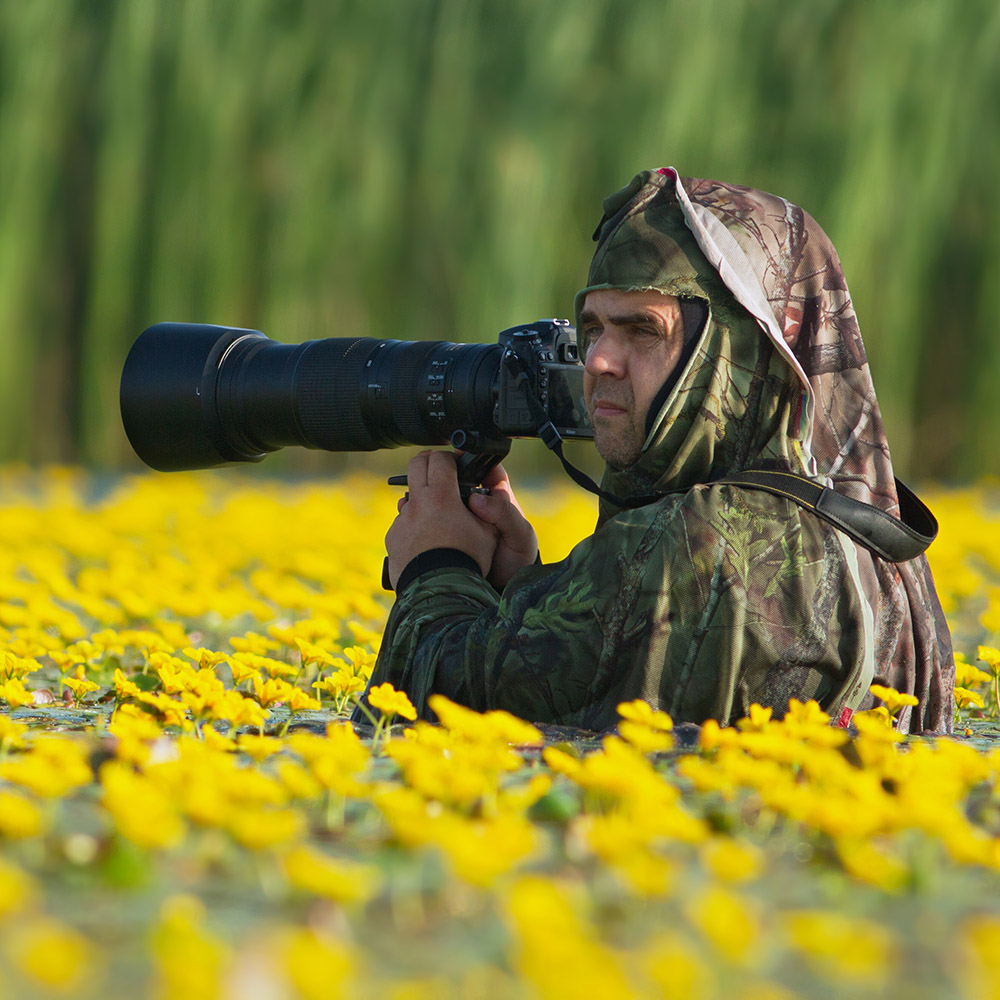
During one such shoot, I was wearing a diving suit in a marsh, waiting for a great crested grebe among yellow water lilies. The sun was perfect, the contrast ideal — everything was set for a top photograph, just waiting for the main character.
At one point, the grebe surfaced from the lilies and scanned the surroundings to make sure everything was safe. After a few seconds, it slowly started swimming toward me… I waited, not taking photos yet, not wanting the camera sound to scare it away. One wrong move and it would dive. What if it sees me? — a silent inner battle began.
I slowly sank deeper into the water to be less visible, not even thinking about leeches attaching themselves — only about remaining unseen.
Suddenly, I realized my hand was wet — the camera was in the water. I quickly took a few shots while it was still working and stood up. One phone call to a friend who sells photographic equipment confirmed what I already suspected but didn’t want to admit — the camera was gone, and so were the photos.
Every day of photography is interesting in its own way. Time spent in nature enriches us and fills us with positive energy we all need. These terrains are not always easy, but they are dear to me and make me happy, because this is what I want to do.
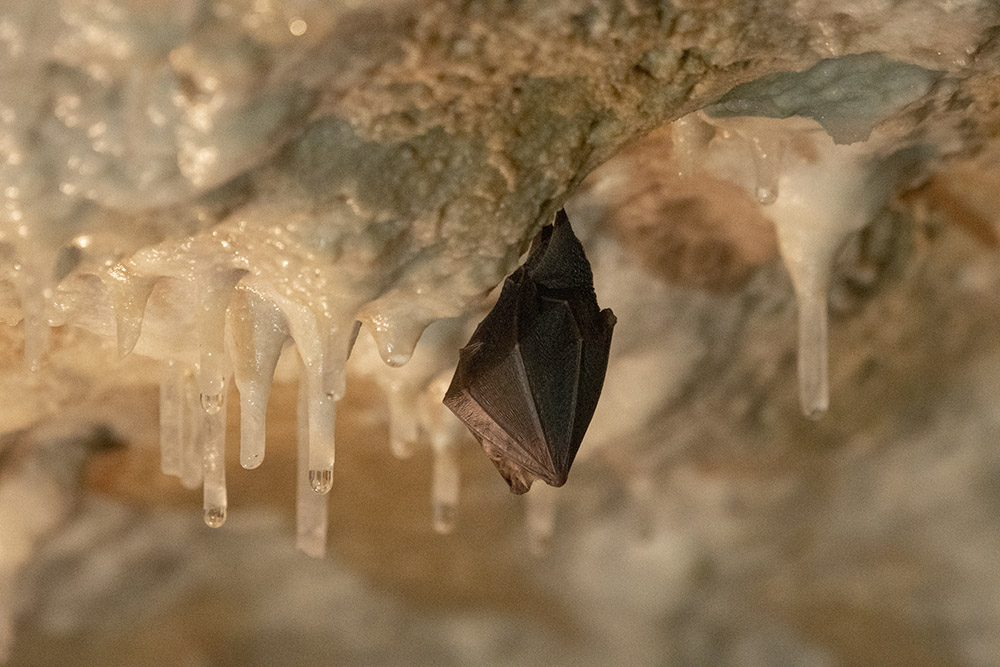
©Divlja Srbija – Predrag Kostin
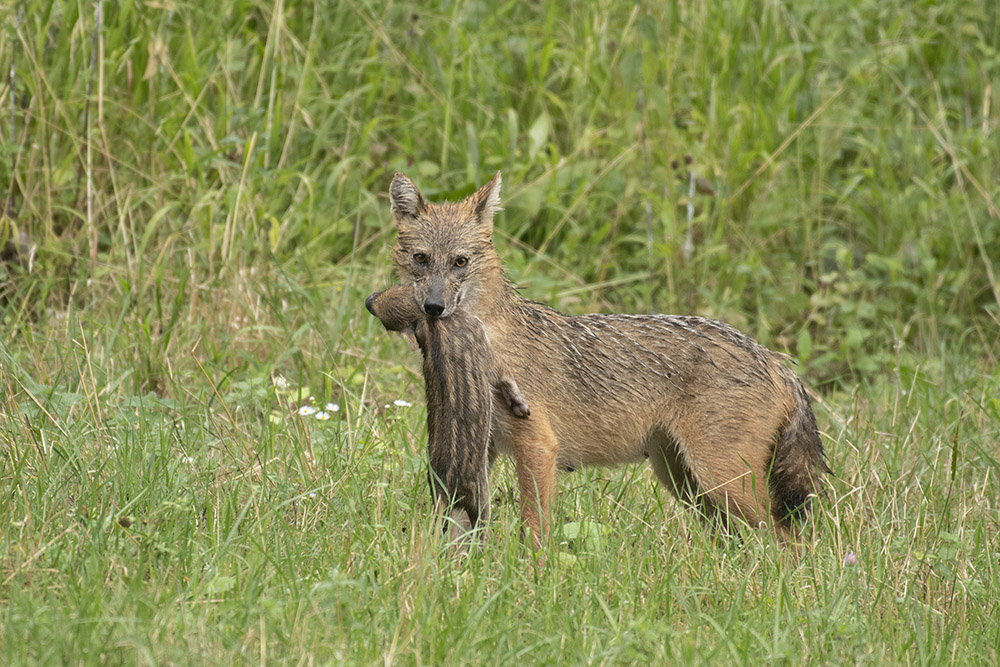
©Divlja Srbija – Predrag Kostin
If you had to choose one photograph that, in your opinion, best represents the spirit of Serbia — what would be on it, and where was it taken?
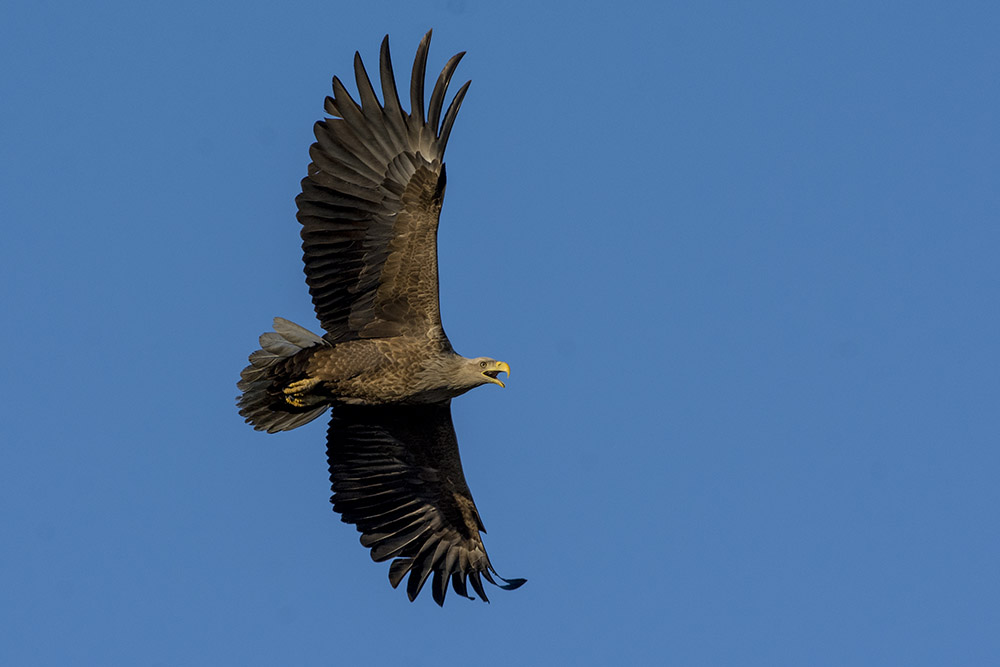
First and foremost, it would be the white-tailed eagle — a symbol of freedom, a species that stood on the brink of extinction just a decade ago. The situation is now stable thanks to population monitoring, habitat conservation along rivers, old forests, and tall trees where it nests, as well as increased public awareness of the importance and beauty of this magnificent creature.
It is a true privilege to observe this majestic bird in its natural environment, to visit its nests, and to follow the growth of its young.
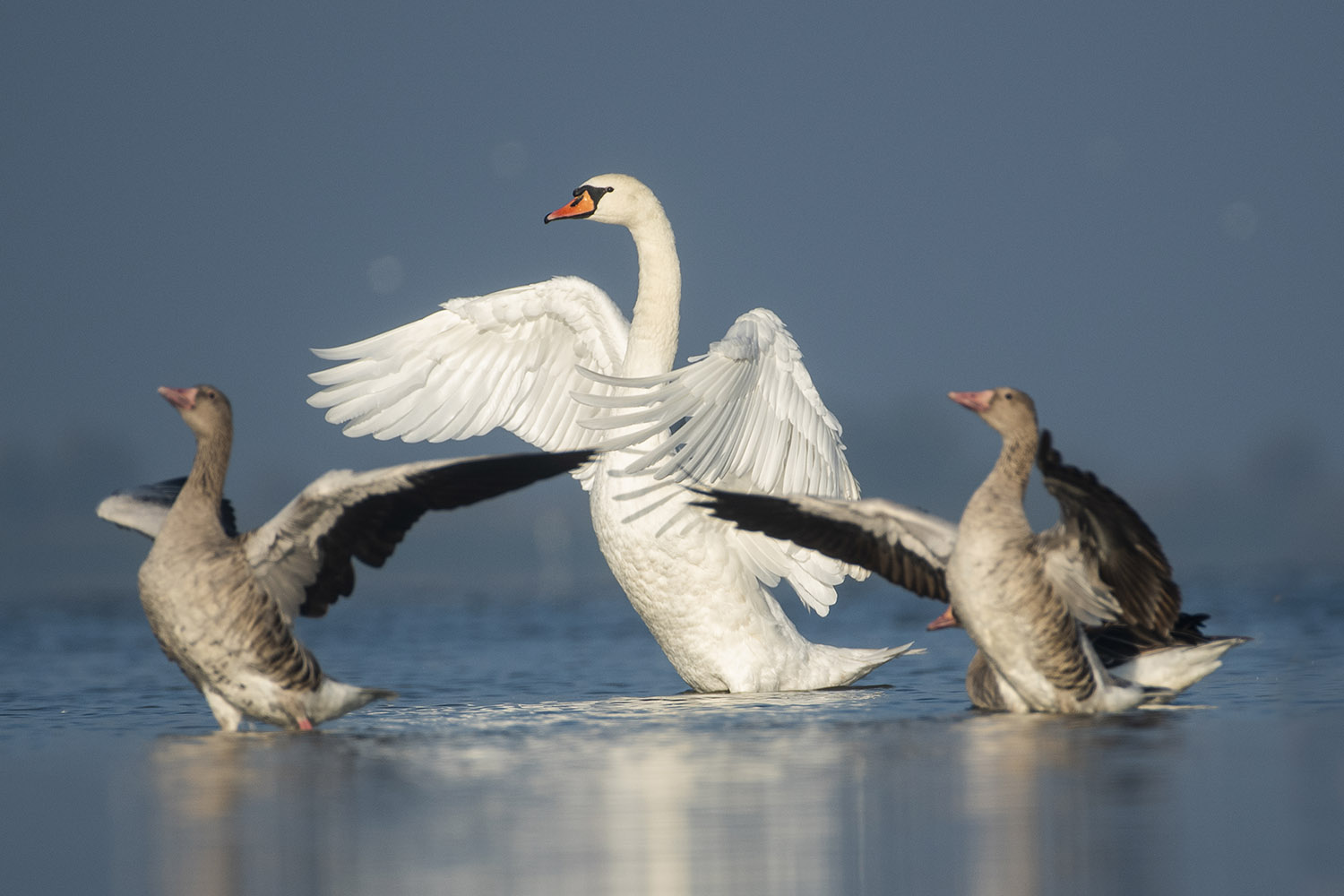
ID
Equipment: NIKON Z6III / Nikon 180–600mm
Movie: Marley & Me
Book: Wolf Hunters
Sport: Diving
Instagram: @divlja_srbija
*Translation powered by AI