


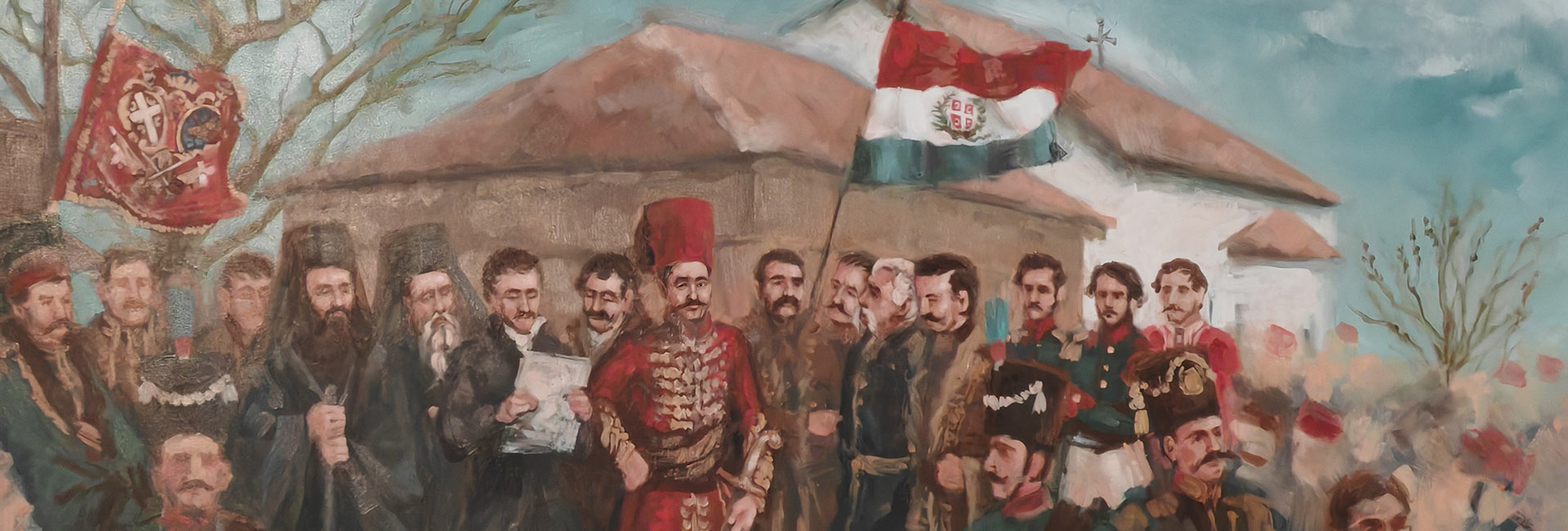
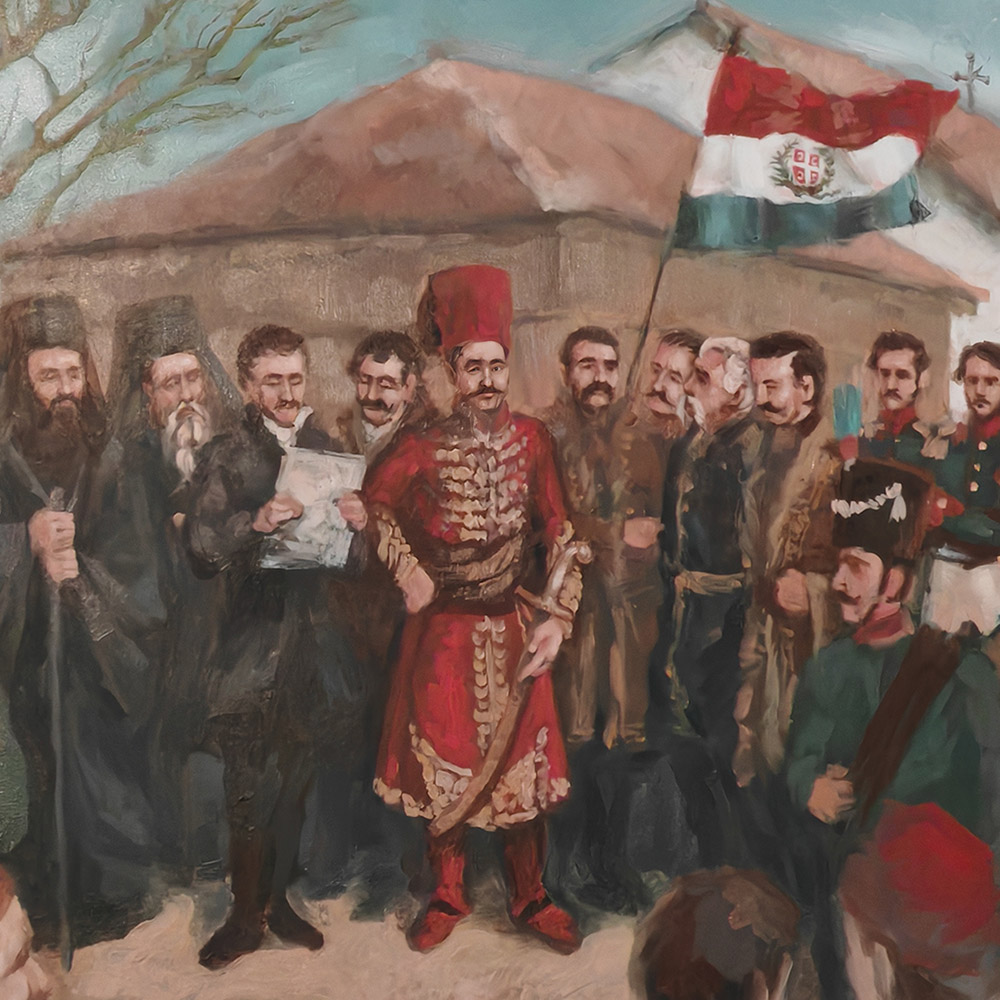
Old Assembly © National Museum of Šumadija in Kragujevac
February, Serbia, and a Piece of Paper That Remembers
February in Serbia is a month when history does not stand behind glass, but walks beside you — in the scent of winter, in the sound of church bells, in the word Sretenje, which seems to carry both encounter and decision within it. In such a February, almost two centuries ago, a small principality found the strength to express itself in the language of law, not only in the language of rebellion and survival. The Sretenje Constitution of 1835 was not merely a “legal form,” but a sign of self-confidence: that a state could be measured by rules, and a people by dignity. Today, when we travel through Serbia, we often chase viewpoints and flavors (rightly so), but sometimes the most beautiful view is precisely the one that shows how a country learned modernization — slowly, stubbornly, and with style.
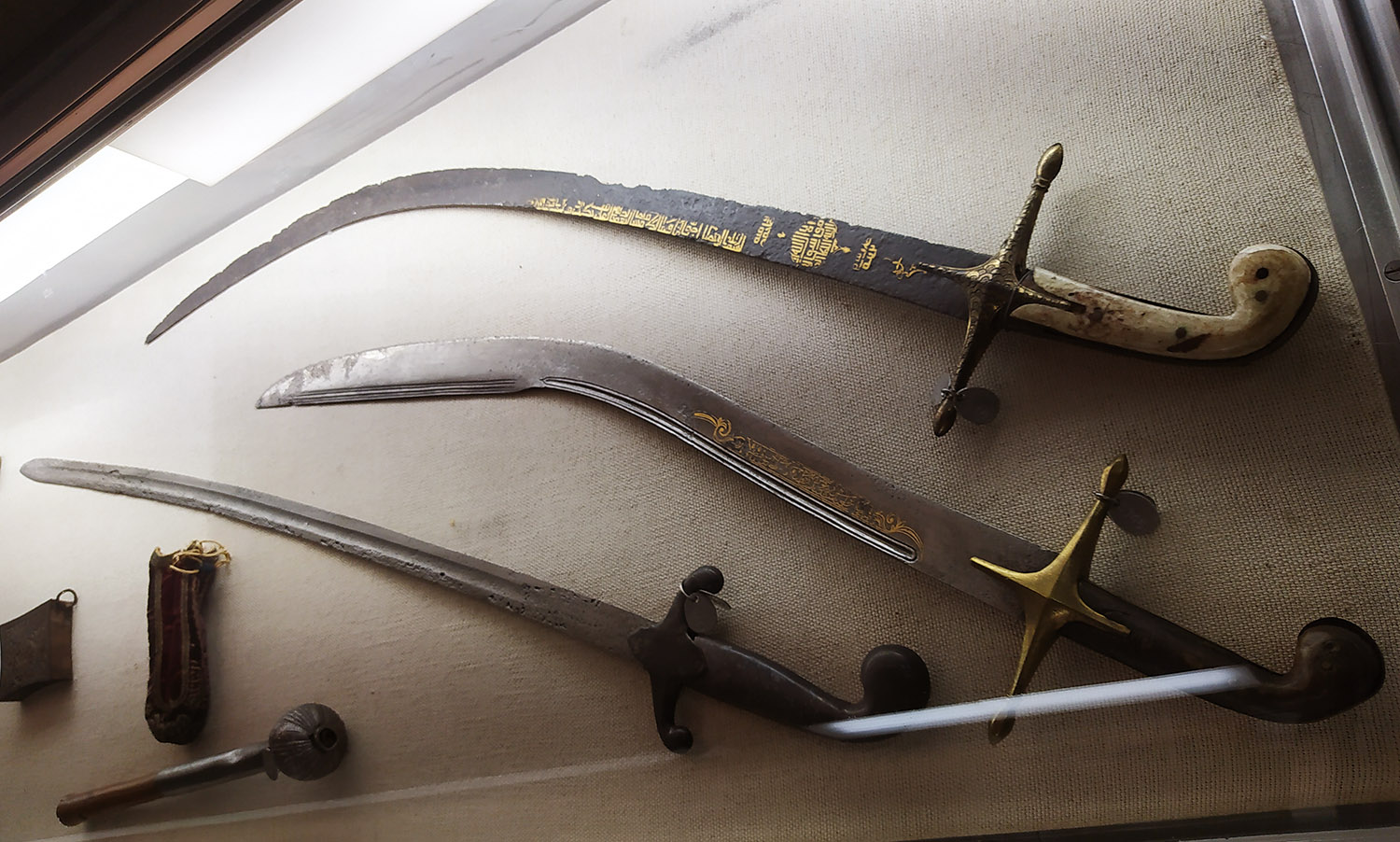
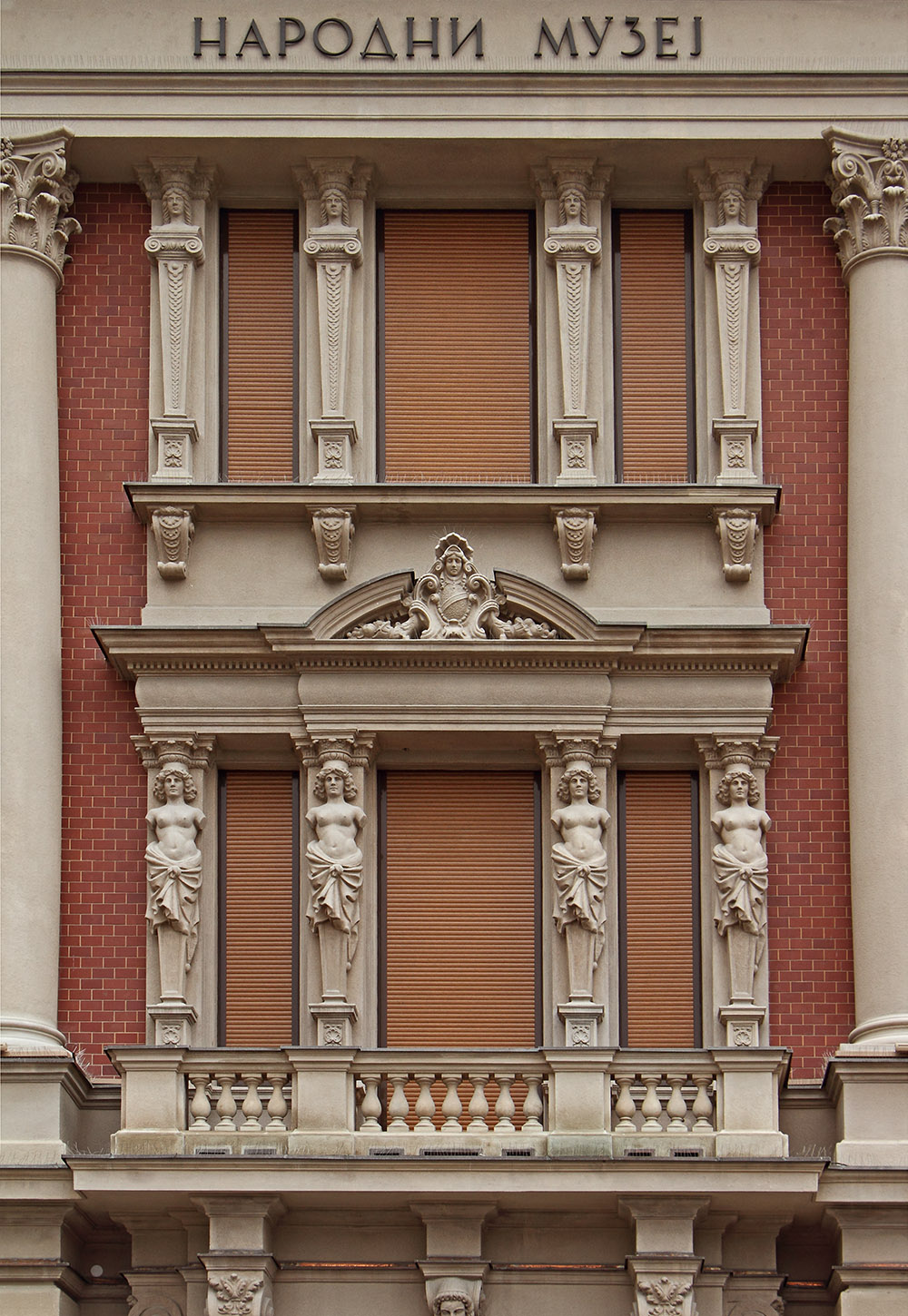
Military museum in Belgrade
A Constitution with Fourteen Chapters and One Hundred Forty-Two Articles
Adopted at the Grand National Assembly in Kragujevac and confirmed by the oath of Prince Miloš, the Sretenje Constitution was an ambitious document for its time: divided into 14 chapters and 142 articles, with a clear intention to regulate authority and limit arbitrariness. Within it, one can recognize the breath of European liberal ideas — the separation of powers, the outline of a modern state apparatus, but also what always matters most to ordinary people: whether the law applies equally and whether one can feel safer under the roof of the state. The second chapter even lists state symbols, which was particularly sensitive and politically “loud” given Serbia’s vassal status at the time. The draft was authored by Dimitrije Davidović, a man of the pen and of politics, who wrote the constitution freely, as if he knew that the future sometimes has to be signed before it fully arrives.
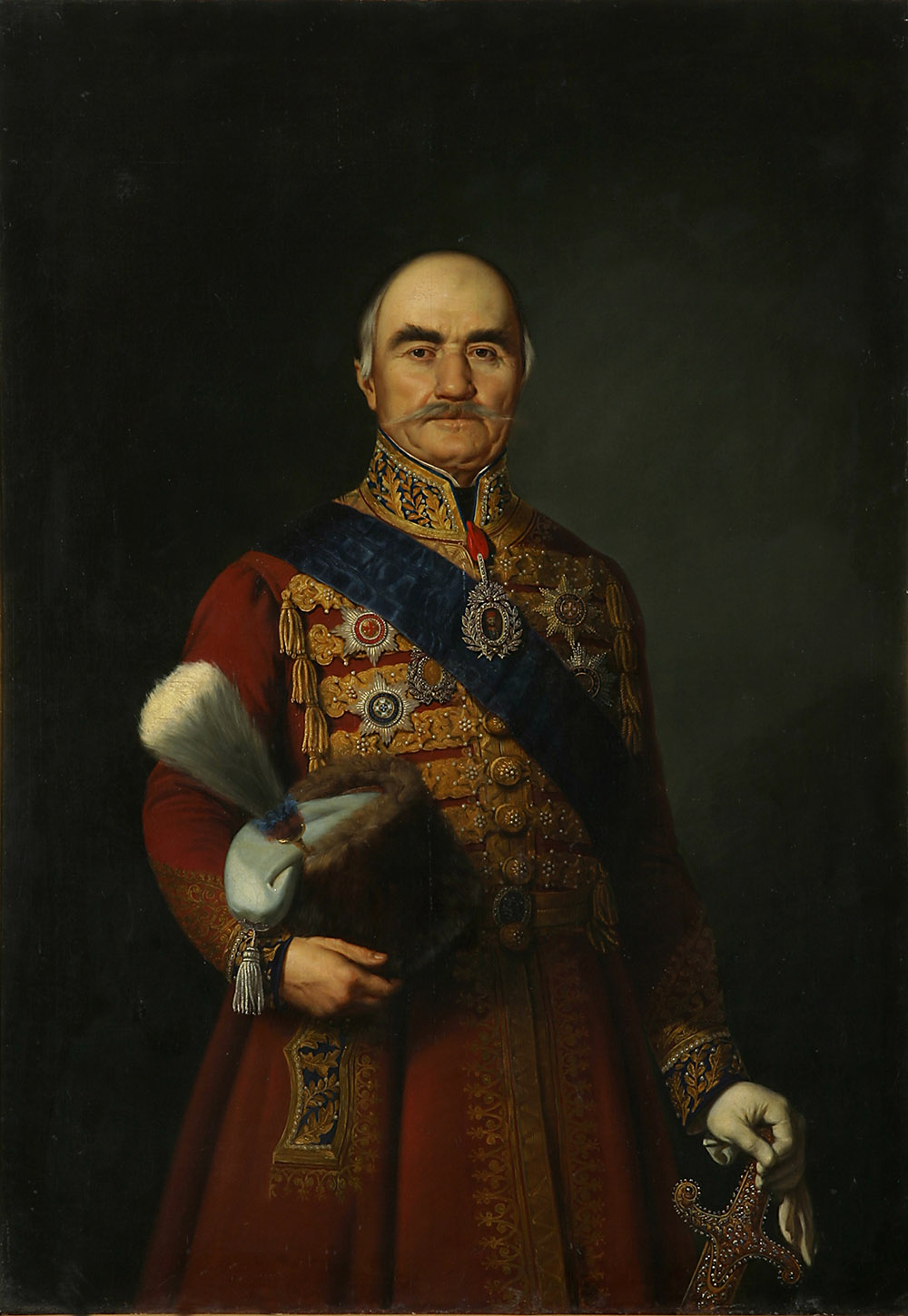
Knez Miloš Obrenović © National Museum of Serbia in Belgrade
The most dramatic part of this story is that the constitution lasted only briefly — it was suspended after just 55 days, under pressure from the great powers of the era: the Ottoman Empire, Russia, and Austria, to whom such a liberal tone felt like a spark in the forest of a feudal order. Yet it is precisely this brevity that carries strong touristic symbolism: Serbia is a country where history often condenses, where decisive ideas emerge quickly, turbulently, and in places you can easily visit today. Kragujevac, then the capital, still carries the atmosphere of the moment when the constitution was read before the people; and the fact that the original is preserved in the Archives of Serbia gives Belgrade a quiet closing chapter to the story — a place where papers are kept that were once braver than cannons.
That is why February is ideal for a “journey with a purpose”: to combine city walks, stop by the National Museum of Serbia in Belgrade to encounter portraits of rulers from that era, continue to the Military Museum at Kalemegdan where, among other exhibits, swords from the uprising that preceded the constitution are displayed, and in the National Museum in Kragujevac put on VR glasses, travel two centuries back in time, and “walk” through Prince Miloš’s court complex. Visit archives, feel the warmth of traditional taverns, and take away one important reminder — that Serbia, beyond everything said about it, has known how to write a modern idea of itself.
A Country Where Ideas Travel Faster Than Time
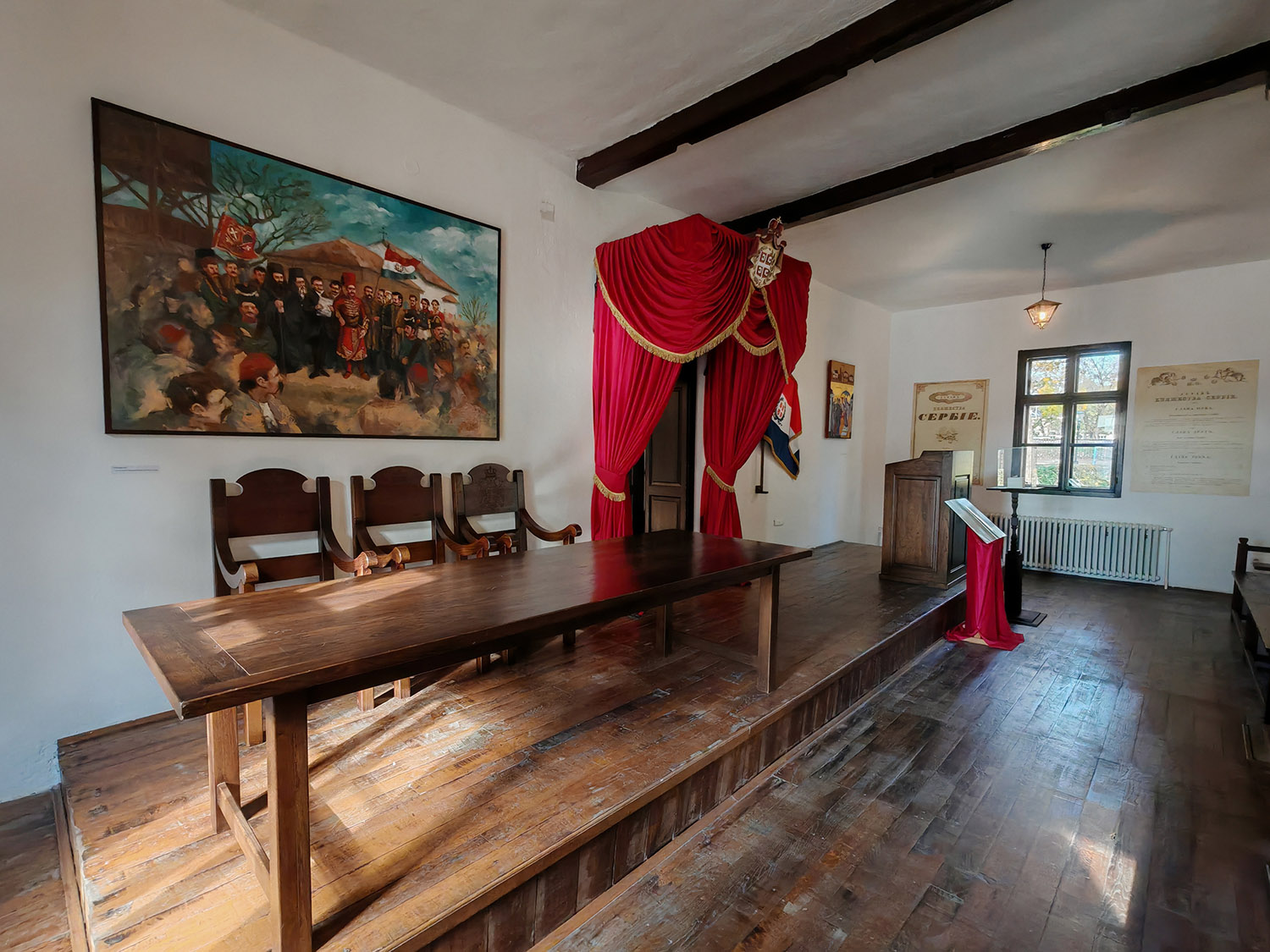
The Sretenje National Assembly of 1835 was held in the churchyard of the Old Church, on the site where the Old Assembly Building was later constructed (in 1859).
*Translation powered by AI