


A House That Looks Out on Two Rivers
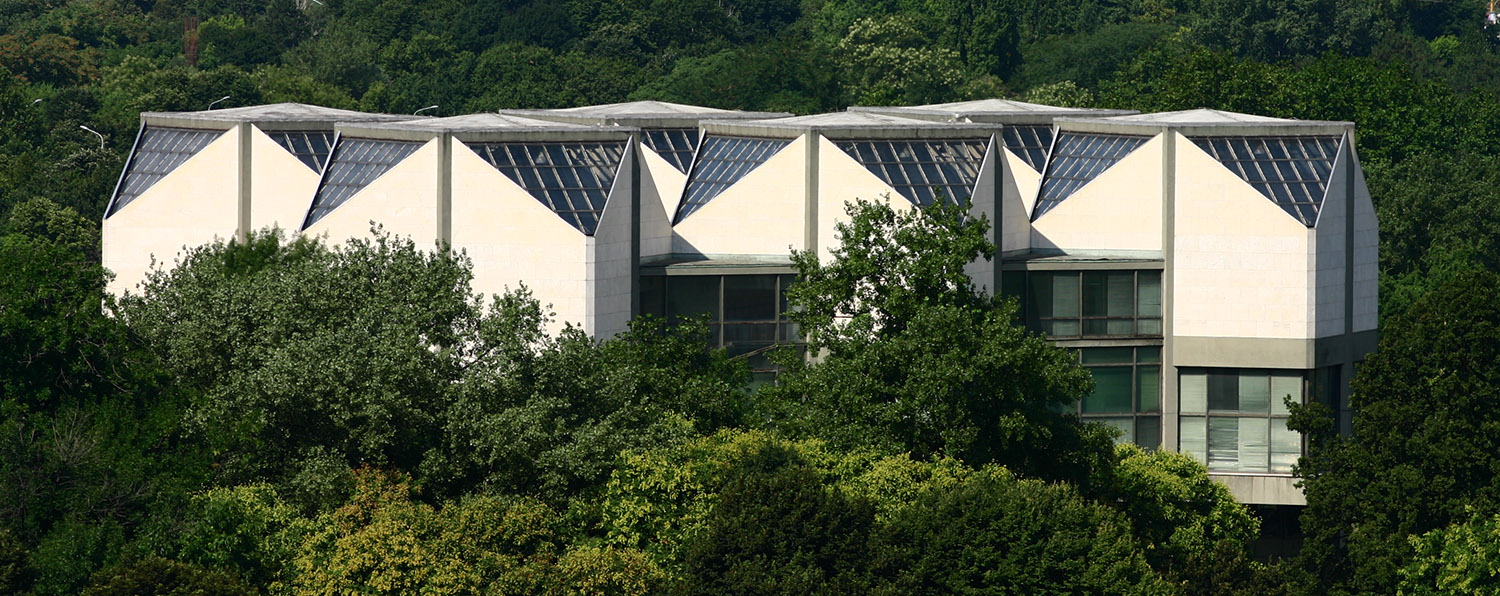
Imagine walking through the gentle greenery of Ušće, where the Sava and the Danube quietly negotiate their journey onward. In front of you, rising from the grass, appears a building shaped like a crystal resting on the riverbank – the Museum of Contemporary Art in Belgrade. It is no coincidence that it stands here: back in 1958, the city decided to establish the Modern Gallery, an institution meant to follow the freshest currents of Yugoslav art, and a few years later the location was chosen – New Belgrade, right at the confluence, facing Kalemegdan Fortress.
Opened on October 20, 1965 – the Day of Belgrade’s Liberation – the museum was conceived from the beginning as a grand stage for contemporary art. The building was designed by architects Ivan Antić and Ivanka Raspopović, who received the October Award of the City of Belgrade for their work. Their “crystal at Ušće,” as it is often called, soon appeared in prestigious international architectural journals and became one of the key symbols of Yugoslav modernism.
Inside, tens of thousands of artworks are preserved today – from early works of Serbian and Yugoslav modernists to contemporary installations, performances, and video pieces. Yet the true charm of this museum lies not only in its collection, but in the feeling that you have stepped into a time capsule: while images, sculptures, and projections unfold before you, the large windows continue to frame the grass, the trees, and the ever-moving rivers outside.
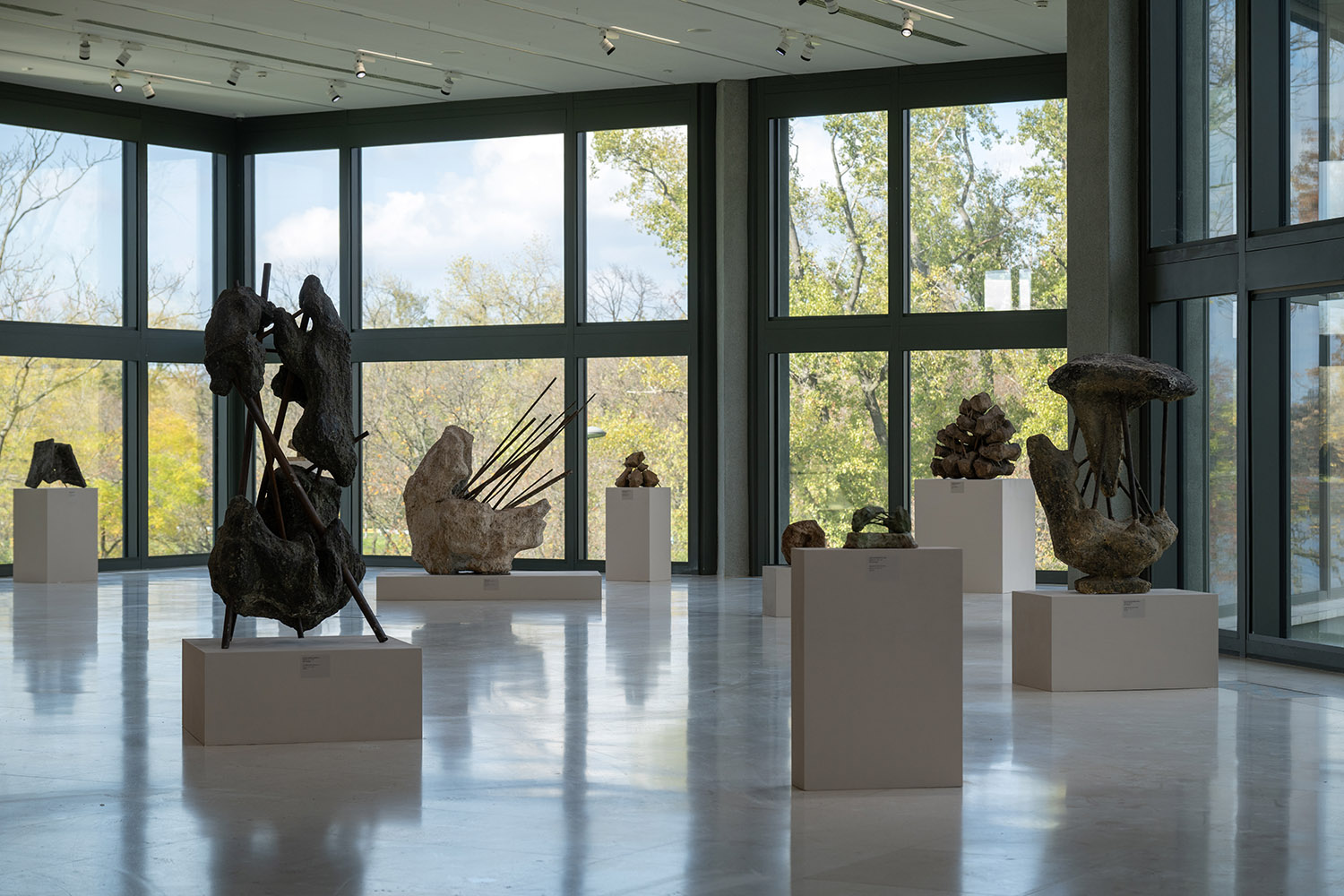
Photo: Bojana Janjić – Museum of Contemporary Art
A Museum in a Park, a Park in a Museum
Unlike many museums around the world that rise from concrete, the Museum of Contemporary Art is practically immersed in a park. On one side lie the promenades, cycling paths, and benches of Ušće; on the other, a sculpture park featuring works by the most prominent Yugoslav sculptors of the 20th century. As you approach, you feel as though you are still outdoors, yet already inside; once you climb the steps and enter, the architecture guides you through a series of interconnected gallery “cells,” where space flows gently, without abrupt breaks – like walking through a well-crafted novel.
Tour guides here usually tell visitors: “If you get lost – just look out the window.” You will always spot a treetop, a river, or the fortress across the water, and you will know exactly where you are. This constant connection with nature and the city turns a visit into something more than “viewing an exhibition” – it becomes a small urban stroll through landscape, history, and ideas.
And when you finish exploring, all it takes is a few steps to find yourself back on the grass, near the water’s edge. Children run around the sculptures, cyclists pass by, someone walks their dog… Contemporary art here truly lives both outdoors and indoors at the same time.
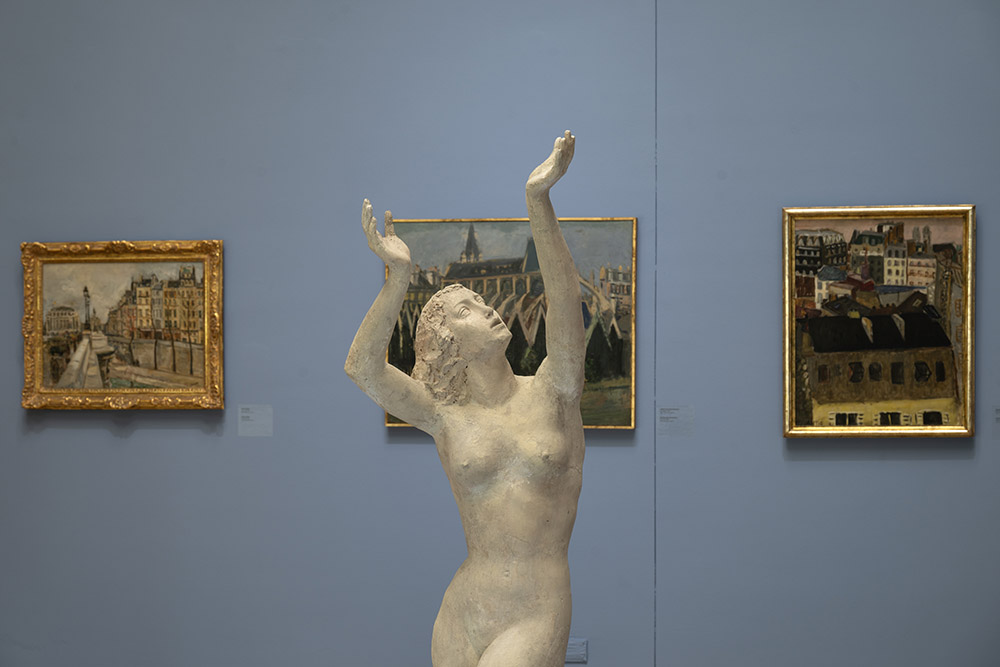
Photo: Bojana Janjić – Museum of Contemporary Art
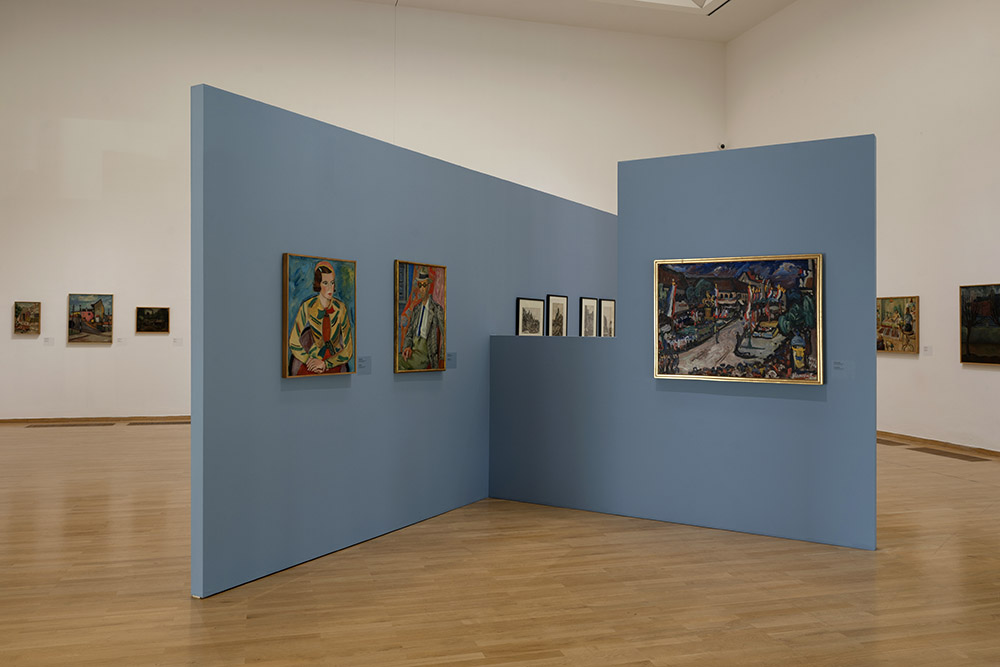
Photo: Bojana Janjić – Museum of Contemporary Art
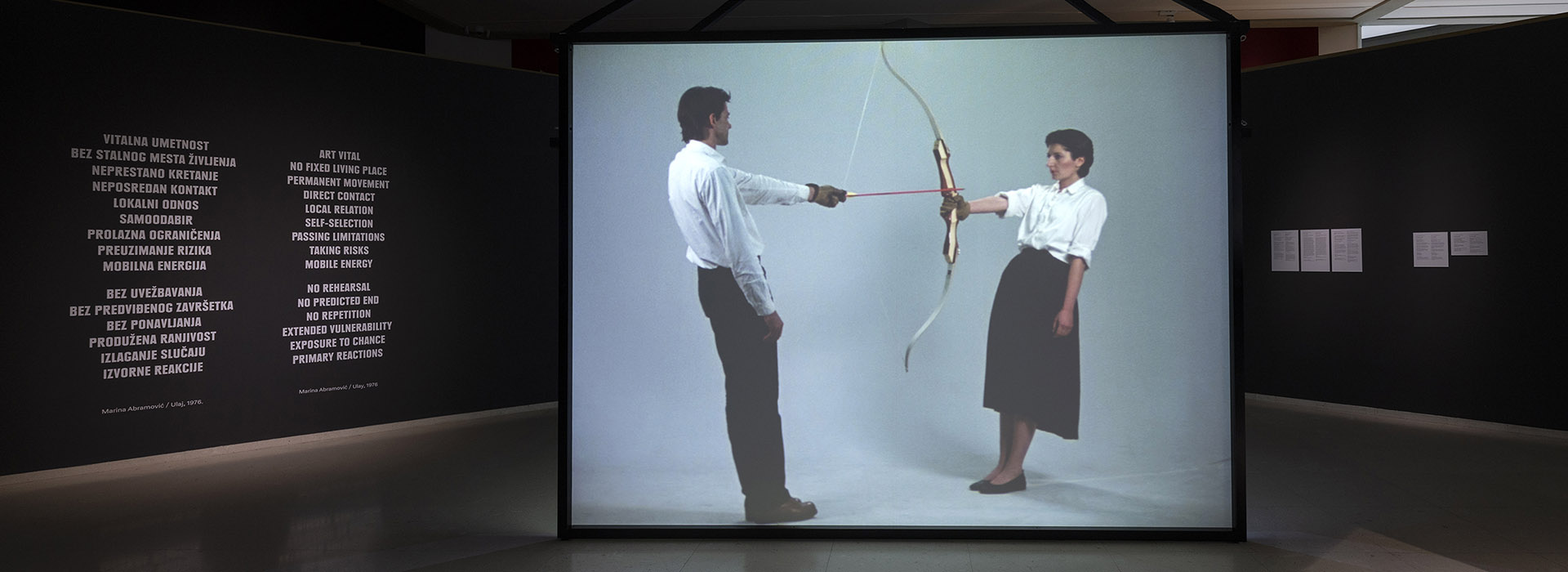
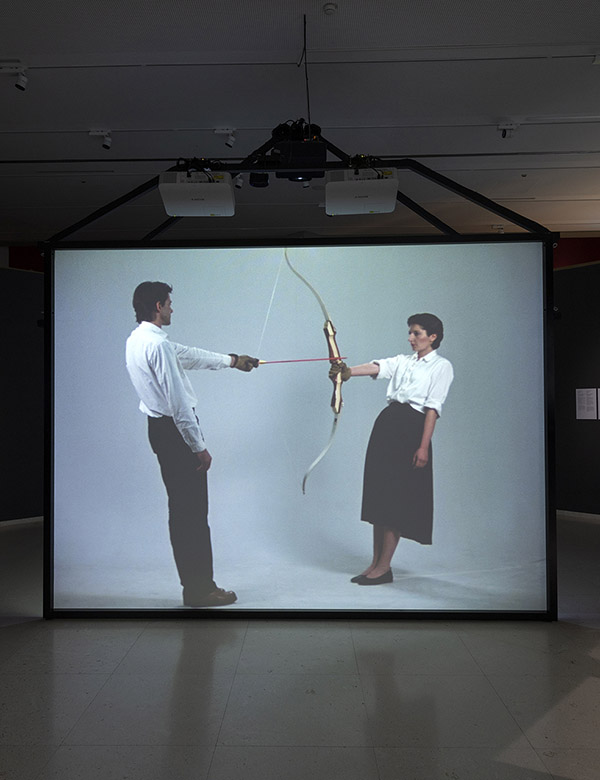
Throughout the decades, the Museum of Contemporary Art has hosted numerous important artists, but one exhibition echoed more than any other – the Marina Abramović retrospective “The Cleaner.” It was the first major European retrospective of this world-renowned performance artist, prepared in close collaboration with her, featuring more than 120 works, from her early 1970s performances to the iconic piece “The Artist Is Present.” In those months, queues in front of the museum resembled a Hollywood blockbuster premiere – except the stars were bold artistic experiments.
The museum was closed for ten years due to reconstruction, from 2007 to 2017. When it finally reopened, again on October 20 – the same date as in 1965 – Belgraders jokingly said they had “got their window into the world of contemporary art back.” And indeed, the renovated building shone like a new crystal at Ušće, with its original architecture preserved and modern technology added to support current exhibition standards.
So, next time you stroll through the park at Ušće, don’t just walk past this gleaming “crystal.” Step inside. You may leave with one more question than you came with – but in contemporary art, and in Belgrade, that is often the finest souvenir you can take with you.
From Marina Abramović to Belgrade’s Hidden Stories
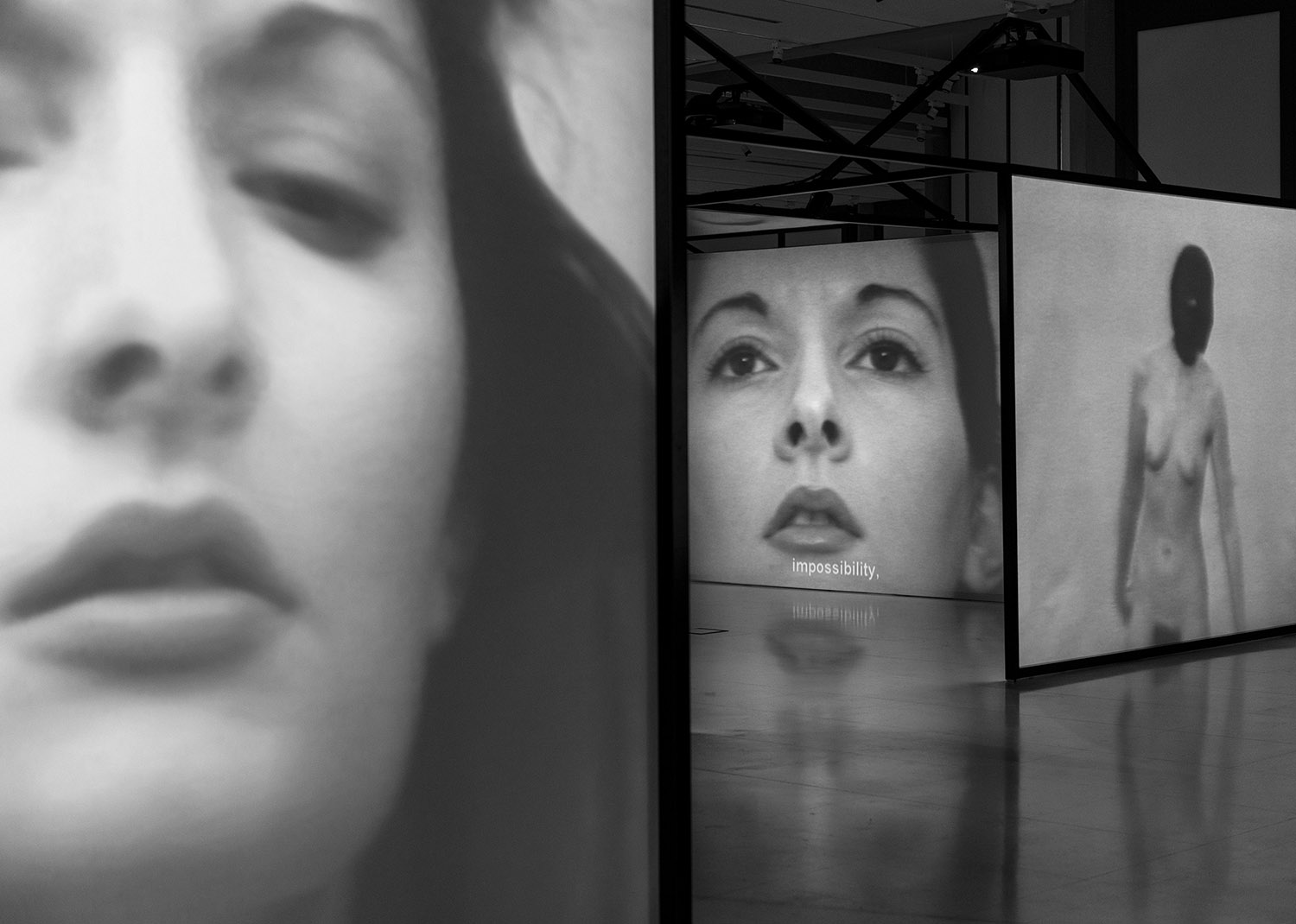
Photo: Bojana Janjić – Museum of Contemporary Art
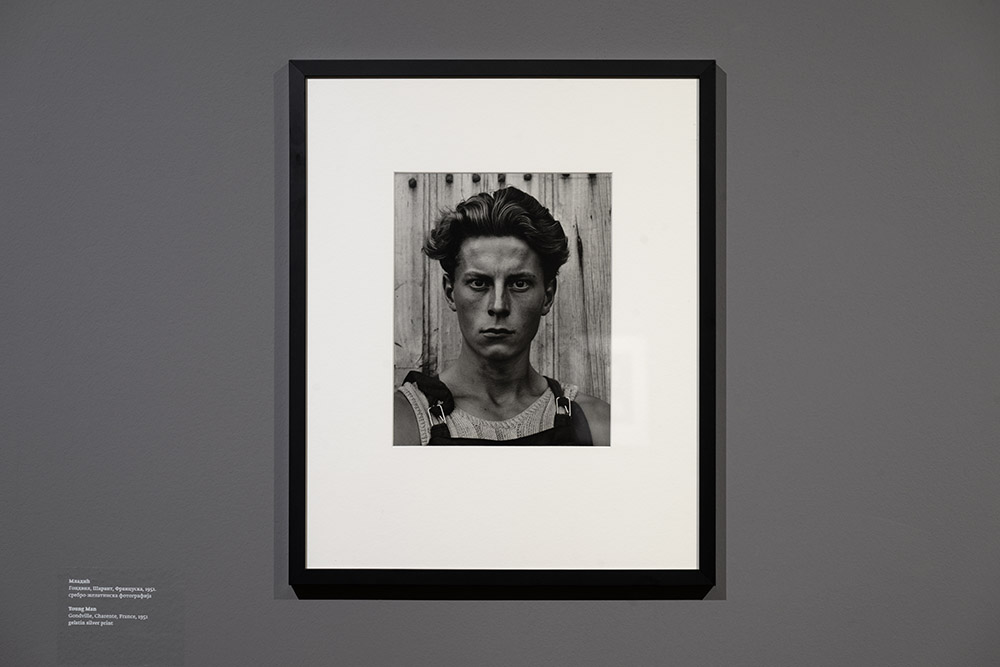
Photo: Bojana Janjić – Museum of Contemporary Art
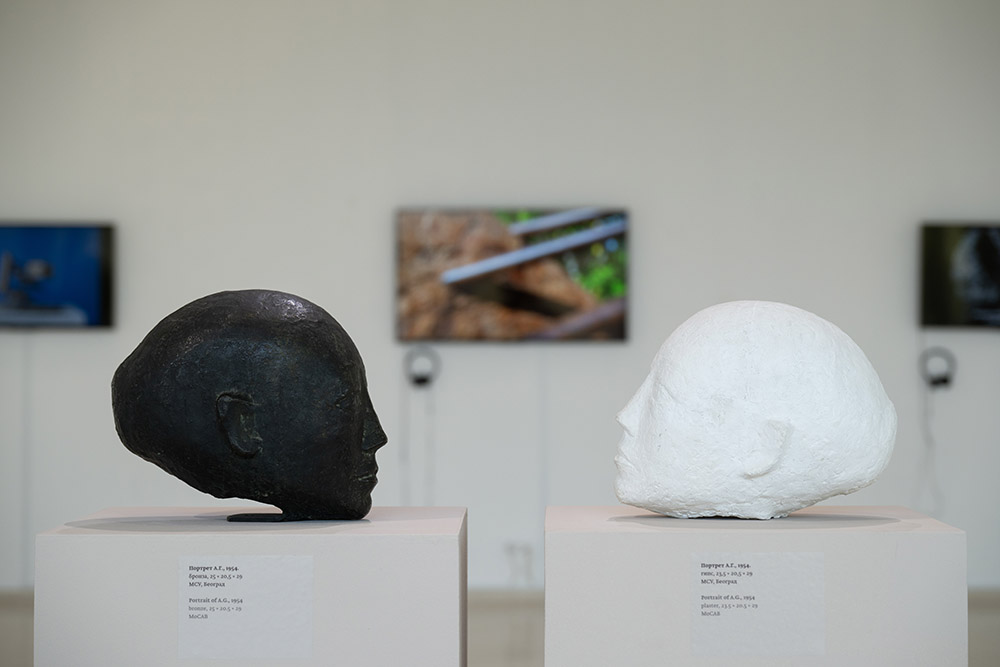
Photo: Bojana Janjić – Museum of Contemporary Art
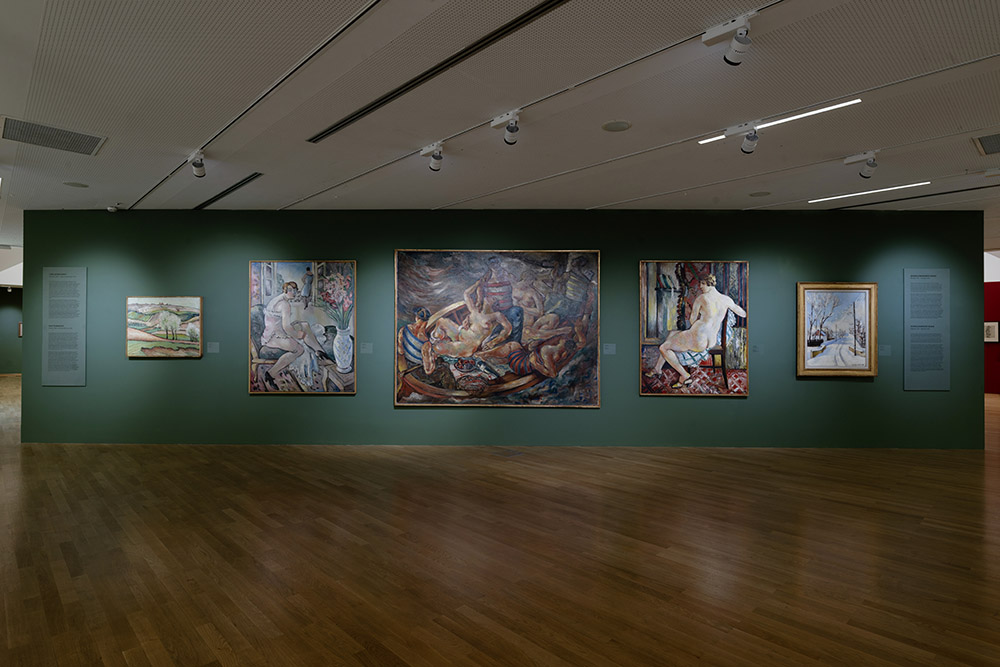
Photo: Bojana Janjić – Museum of Contemporary Art
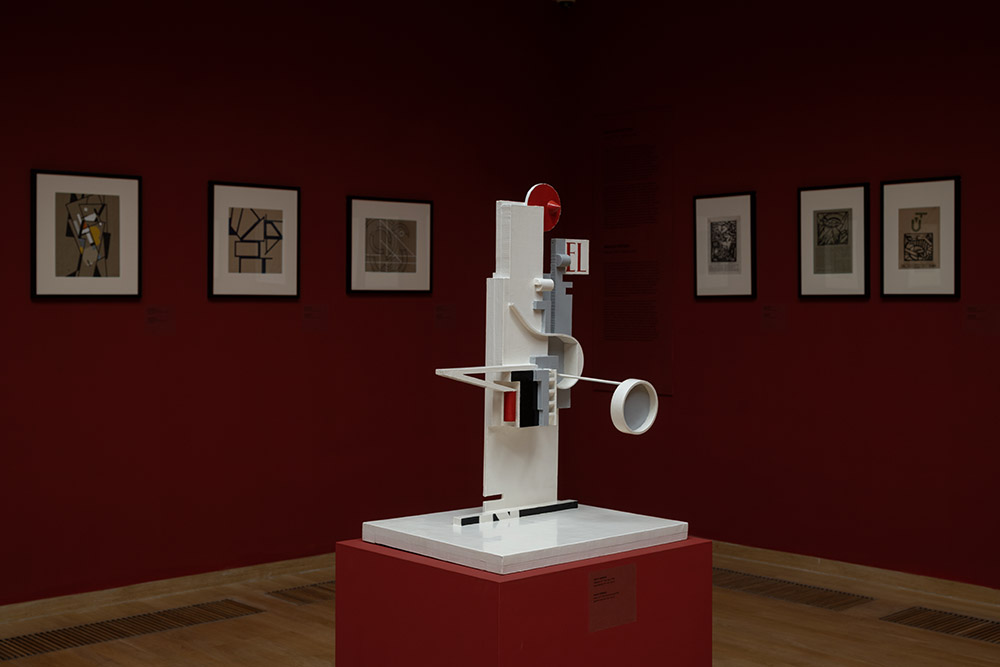
Photo: Bojana Janjić – Museum of Contemporary Art
MUSEUM OF CONTEMPORARY ART
Address: Ušće 10, Blok 15
11070 Belgrade
Phone: +381 (0)11 3115 713
Email: msub@msub.org.rs
Web site: https://msub.org.rs/
*Translation powered by AI