


Street Art Guide through Serbia
In the Footsteps of TKV Murals
On facades that were once silent, colors, messages, and emotions now intertwine, turning the streets of Serbia into open-air galleries beneath the wide sky. From the blocks of Belgrade to the hidden alleys of smaller towns, murals are becoming new landmarks, meeting points, and photographs people remember. We talk about the street art scene that is reshaping the face of urban landscapes with artist TKV, whose works leave a trace not only on walls, but also in the memory of passersby.
How would you describe the street art scene in Serbia in one sentence?
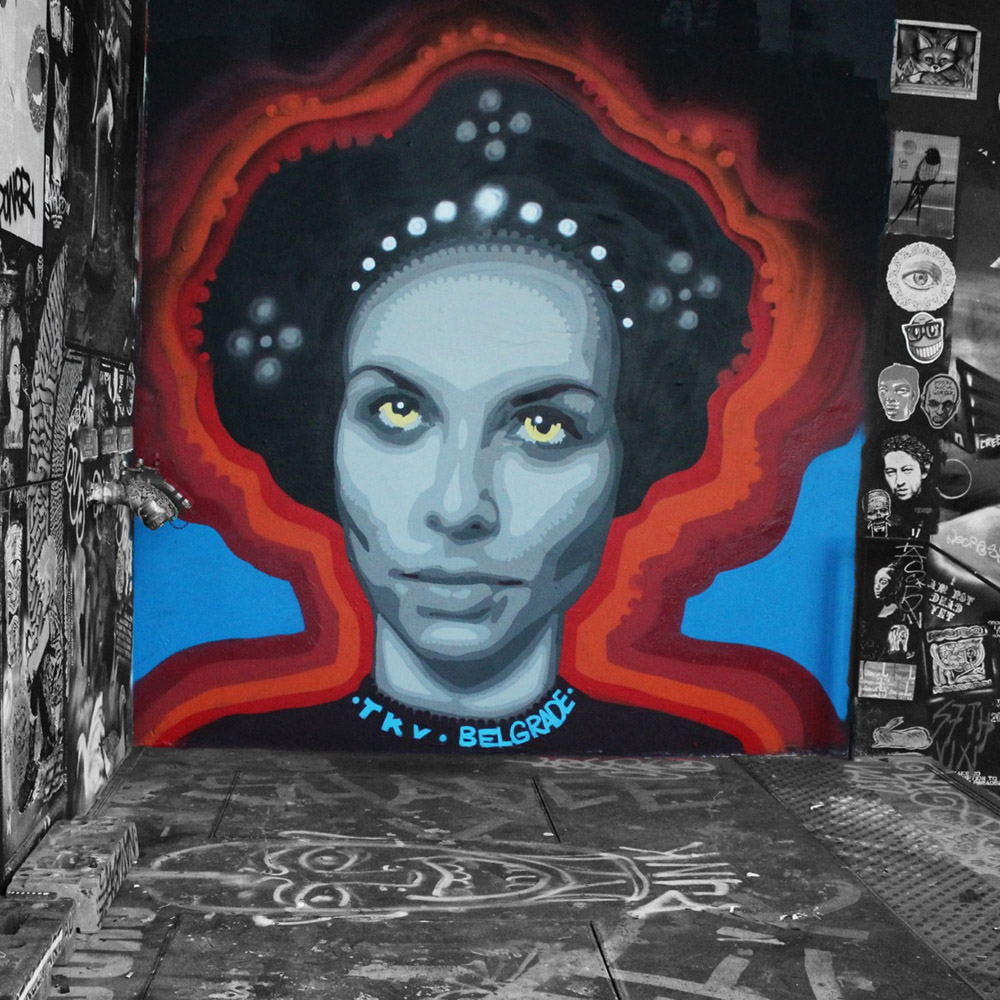
The scene has been gradually developing since the 1990s and has built its own style and signature. Many things have changed over time, and Serbia has caught up with a global trend that had already been emerging elsewhere. Today Serbia has fantastic street art and graffiti artists from Niš to Subotica. My favorite example is the DUK festival held in Čačak for the past 10 years. DUK is the best example of how art influences a city and its citizens and why it is important to nurture culture and art in public space. Works by local and international artists now decorate more than 10 locations in Čačak.
Does the energy of Belgrade differ from Novi Sad, Niš, or smaller towns when it comes to murals?
The environment in which street art emerges dictates its pace, style, and direction. That’s why you can always see something different in each city. Some artists have such a refined style that it becomes the signature of the place that shaped them.
When choosing a location for a mural, do you first “feel” the wall or the story of the city?
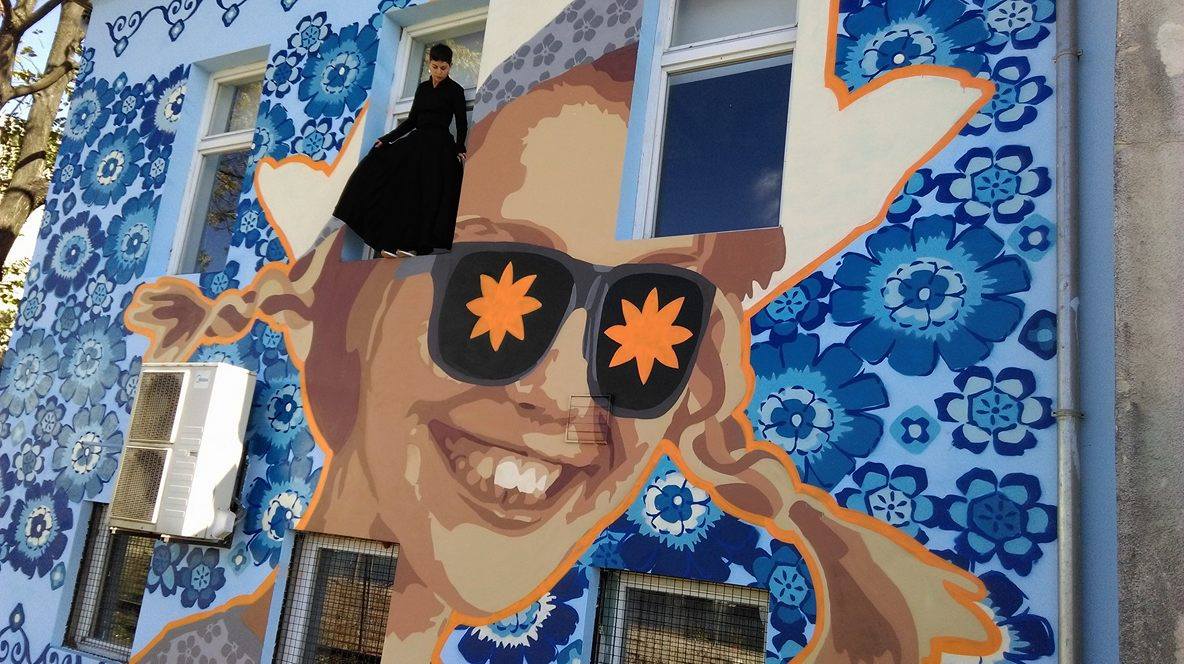
Not always. Sometimes it is just a moment and my personal perspective. I think my inner world shapes my work the most. Belgrade is my city and it always inspires me to create something new.
Is there a city in Serbia that particularly inspired you, and why?
I had the opportunity to paint across Serbia and every place gave me a new experience and perspective. Through interventions in public space you get the chance to truly get to know a city. It carries with it a kind of quest that awakens curiosity and allows you to see things in a different way.
How much is street art today part of the tourist experience of a city? Can murals become an urban attraction?
Murals are already an urban attraction. There are organized street art tours, but also people who independently search for new works. My favorite tour is led by Ljiljana Radošević, an art historian who is the leading expert on street art and graffiti in Serbia.
What message do you most often want to convey to passersby through your murals?
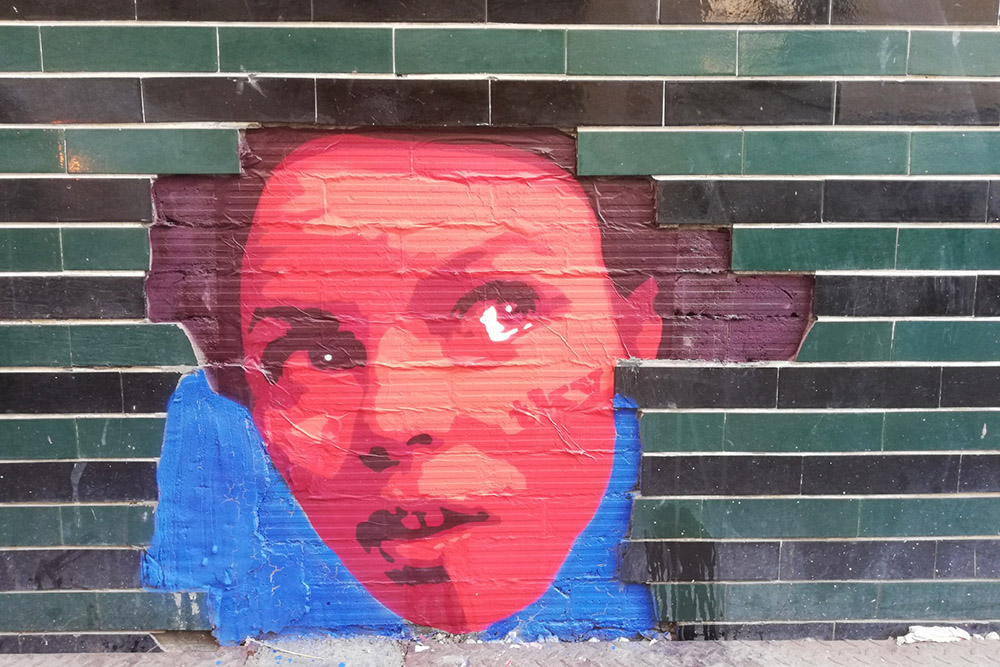
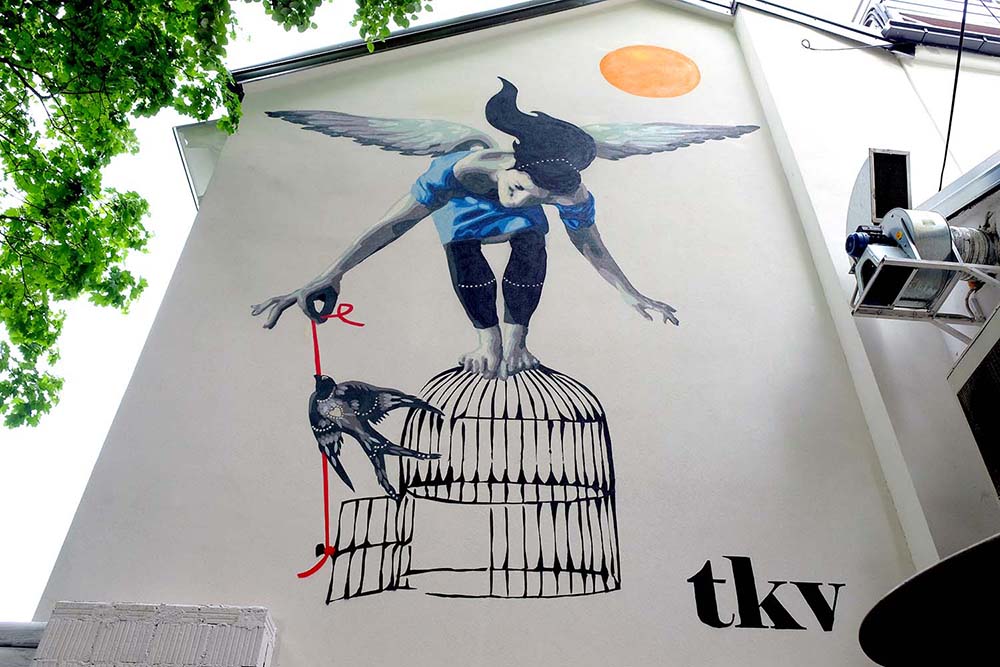
If I had to choose one message, it would be that in a society that is perpetually cruel, being gentle is very punk.
Have you ever had a situation where the local community helped you or reacted in an unusual way?
The key thing about street art is the community. Without the community it does not exist. There are many examples and many communities that helped not only in creating murals but also as inspiration.
What is the most unusual or challenging location where you worked?
Painting those two murals taught me many things — from technical to creative and personal lessons. I think that experience showed me how much I can achieve and what strength I carry within myself.
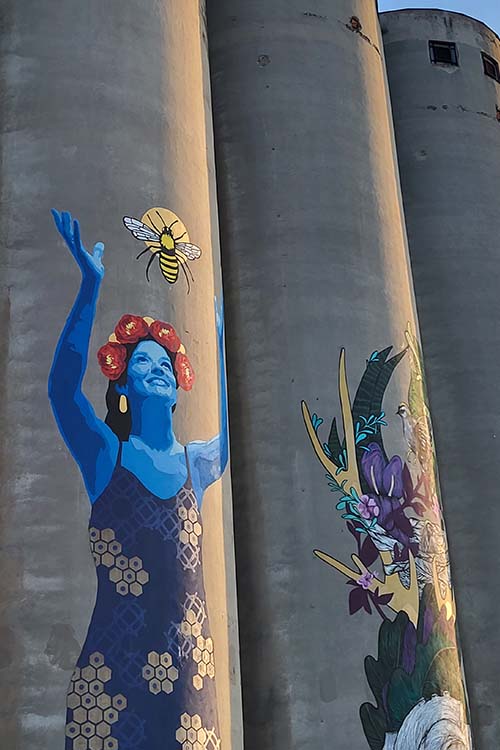
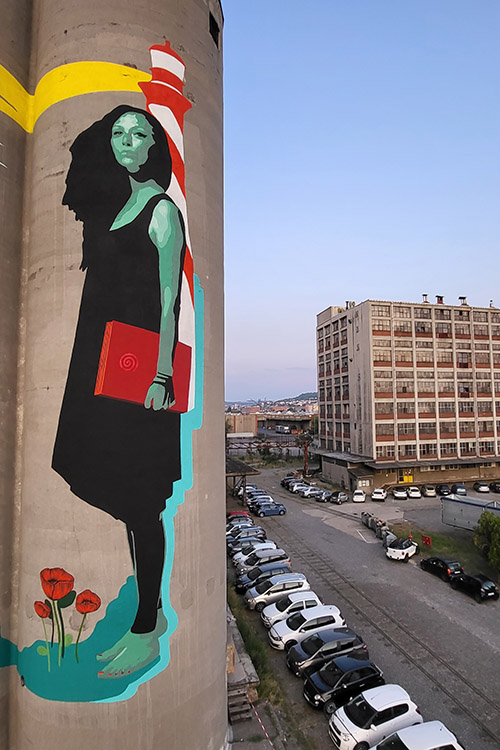
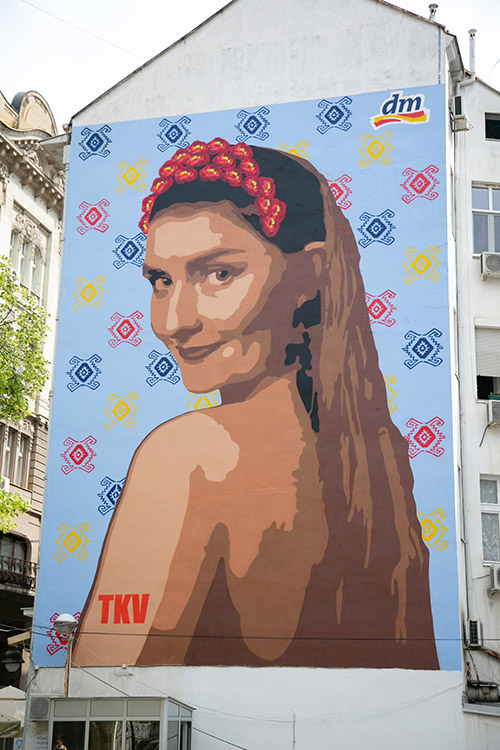
Is street art in Serbia today more art, activism, or the visual identity of a city?
All three together actually make street art.
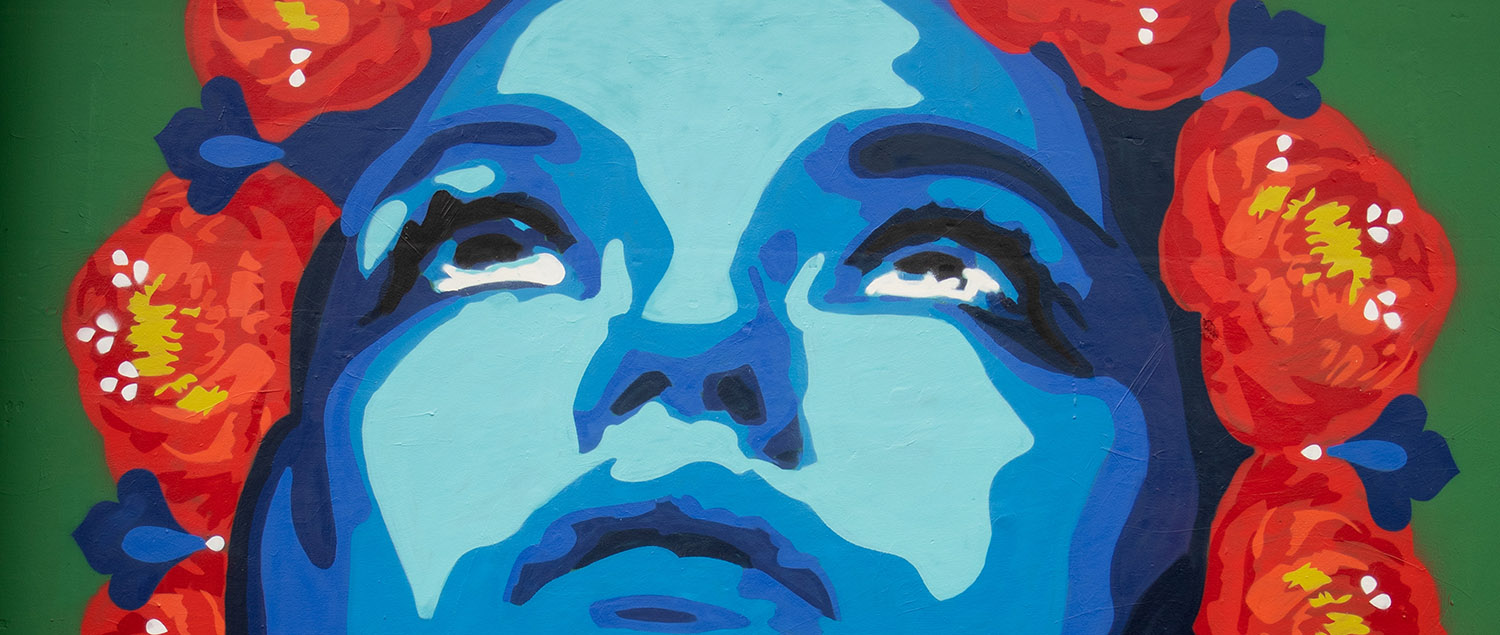
If you could paint any wall in Serbia — where would it be and what would you paint on it?
I grew up in New Belgrade and it would definitely be the Genex Tower. I’m not exactly sure what I would paint, but it would be connected to stories of New Belgrade.
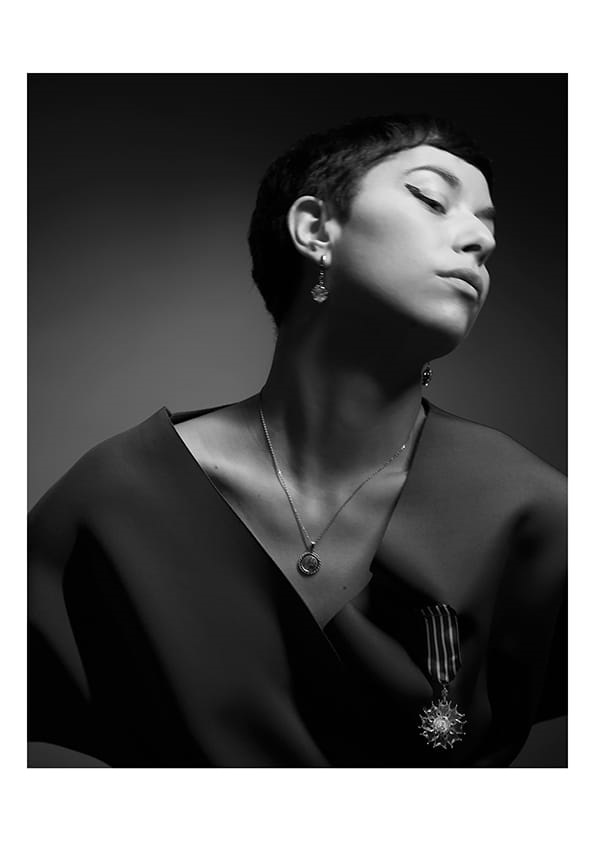
ID
The Kraljica Vila – Knight of the Order of Arts
Favorite color: Blue
Favorite painter: Van Gogh
Zodiac sign: Gemini
Art Director: Pyramid Festival
Founder: All Girls Street Art
Instagram: @kraljica_vila
*Translation powered by AI