


Where the Danube Becomes a Sea
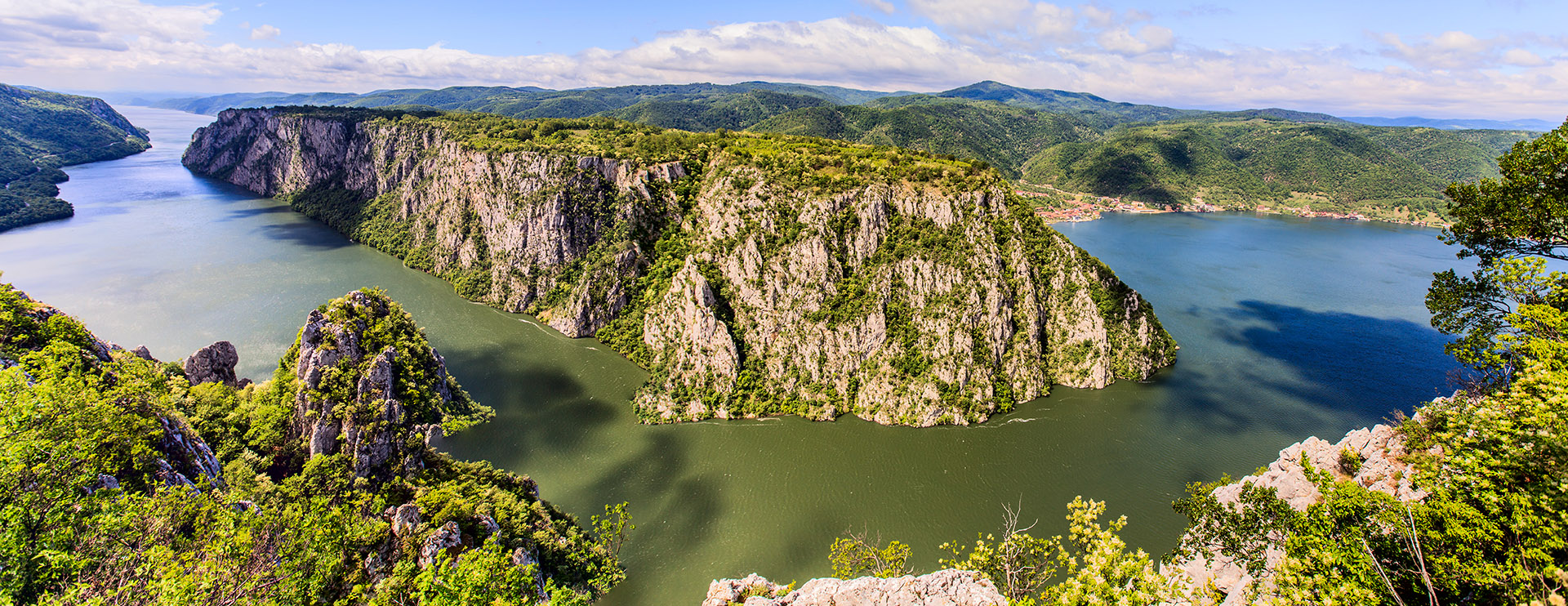
There are landscapes that need no filter. No explanation either. Only a moment to pause and take a deep breath. Such is the feeling when Golubac Fortress suddenly appears before you, standing at the very entrance to the Đerdap Gorge. Behind it, the Danube spreads so wide that it looks like the sea – here it reaches one of its greatest widths, while the wind carries the scent of water and stone.
From there begins the story of Đerdap National Park, a place where the river has carved the rocks for centuries and where people have learned to live beside it. Visitors may call it the Iron Gate, but we call it Đerdap – a gateway between worlds. From a bicycle saddle or during an easy walk, the scenery feels almost unreal: cliffs rise above the river, the water changes color from hour to hour, and the horizon always looks as if it promises yet another story.

Cycling Along the Water, Walking Toward Silence
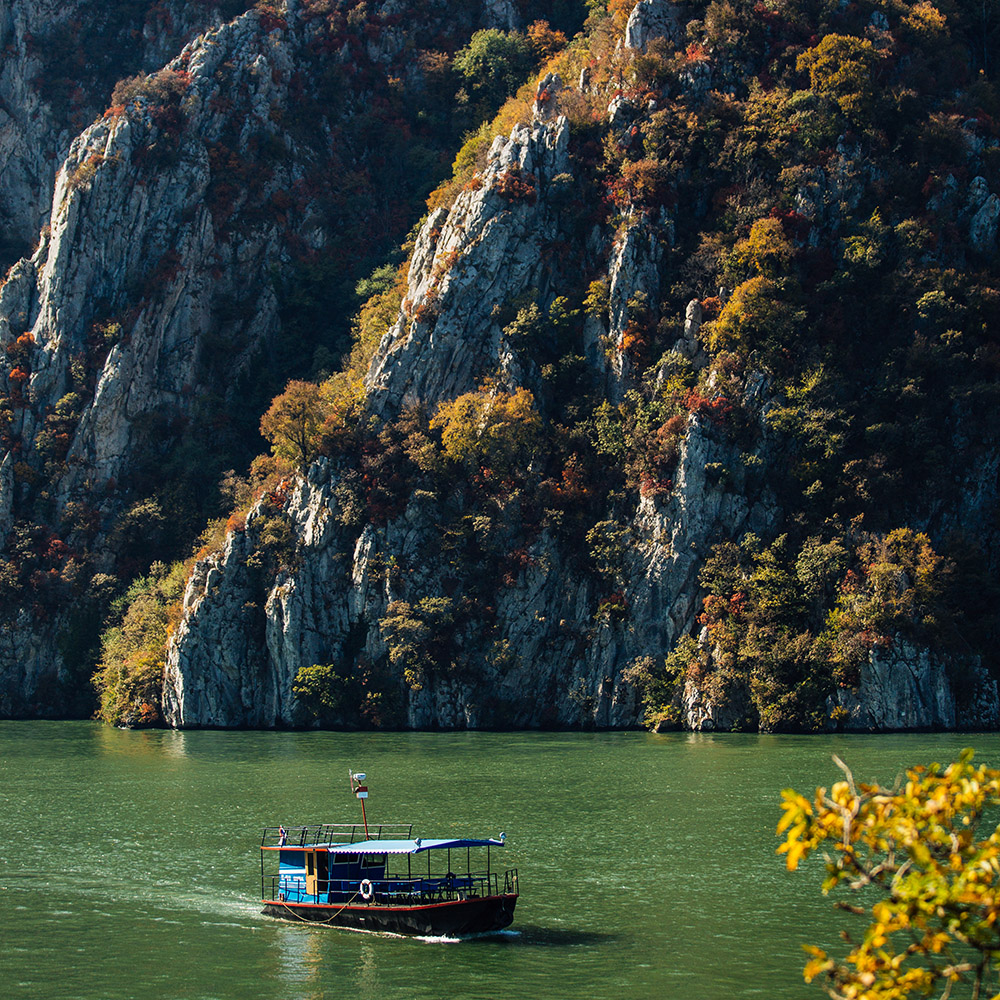
Cycling along the Danube through Đerdap is more than recreation – it is a dialogue with the river. The route follows the current, passing small fishing towns, vineyards, and cliffs that seem to guard secrets thousands of years old. In some sections the Danube is also at its deepest here – especially in the Kazan Gorge, where the water appears calm while quietly hiding its power.
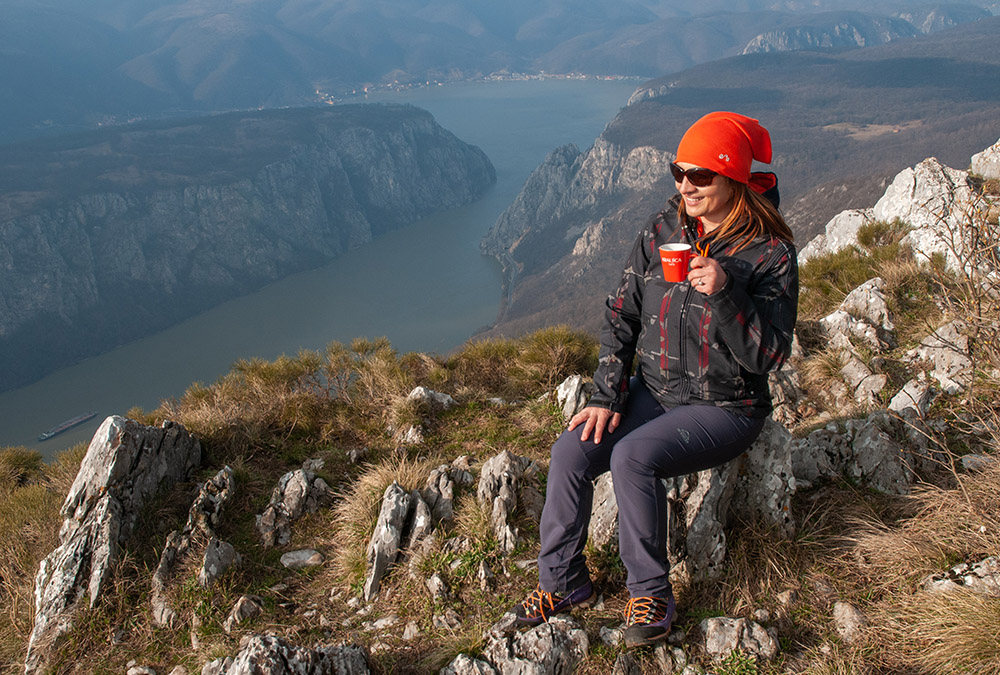
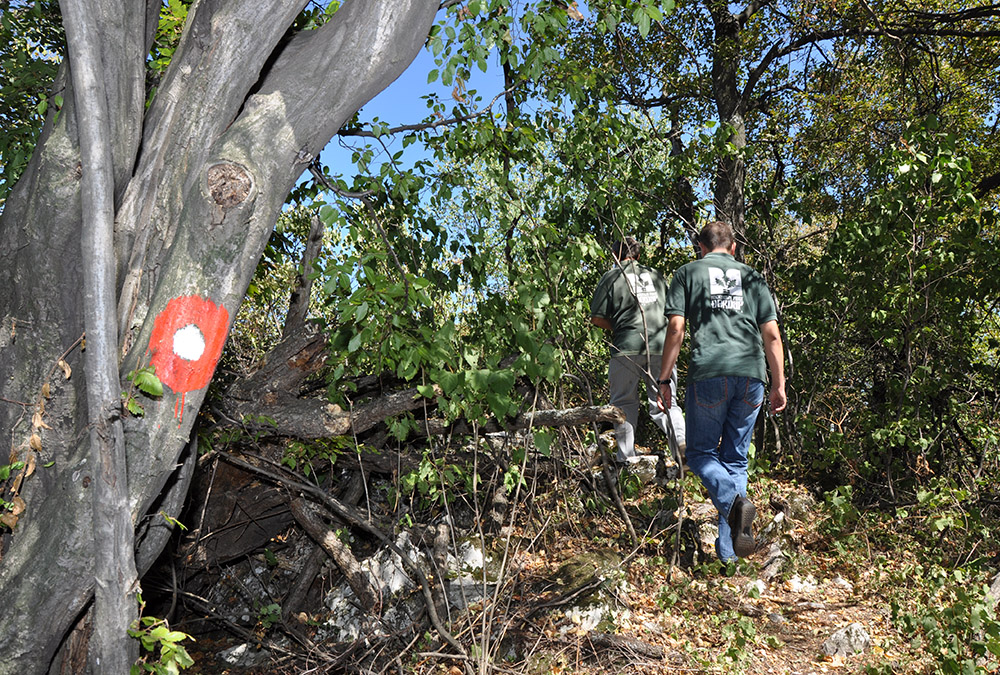
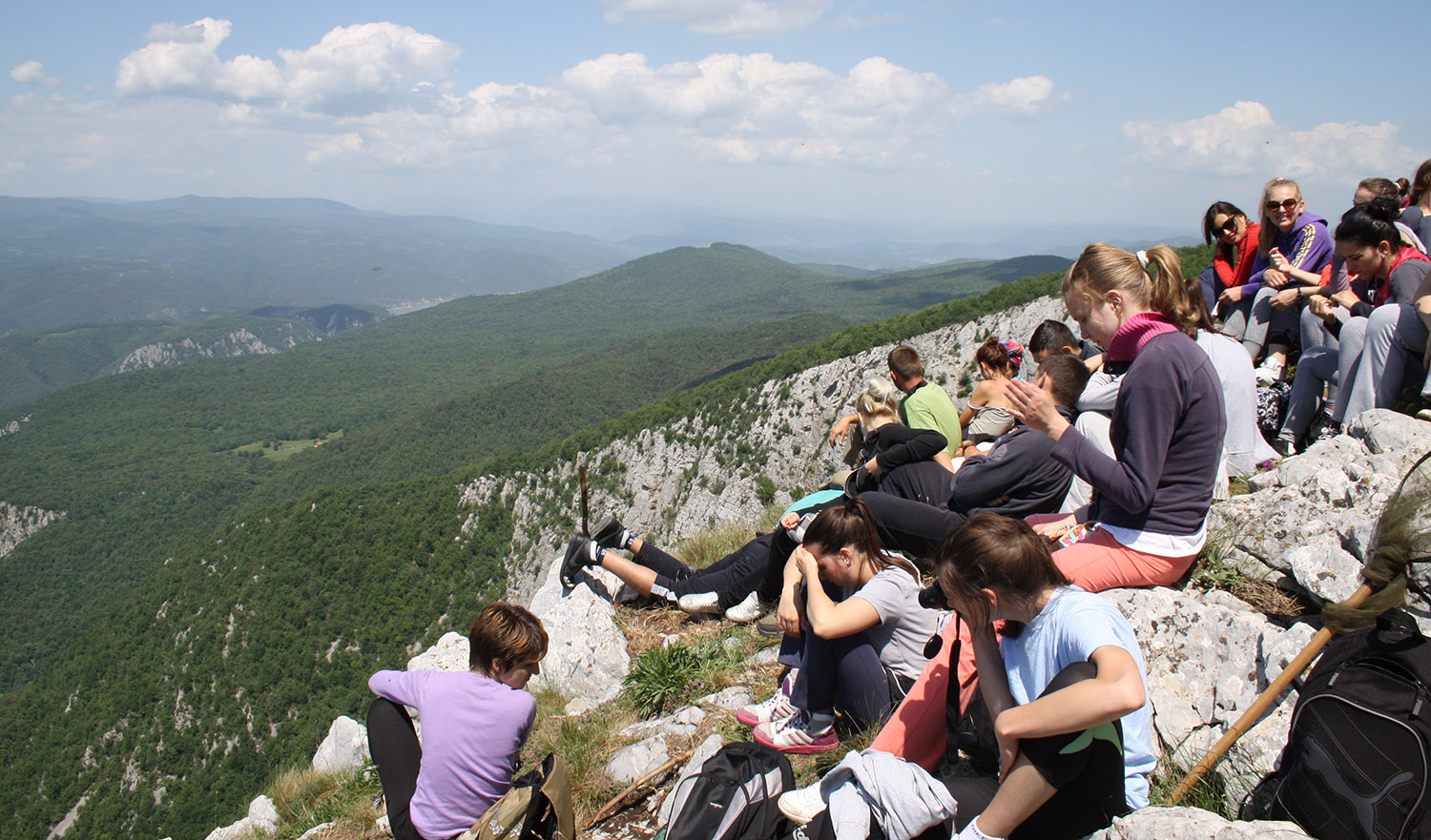
The viewpoints are special chapters of this journey. From the Kazan Viewpoint the view stretches toward the narrowest part of the gorge, where the river squeezes between cliffs as if passing through a stone funnel. At the Ploče Viewpoint the Danube can be seen from a bird’s-eye perspective, while the silence of the forest feels like a natural cathedral. Walking through the park leads along beech and oak forests, along paths scented with earth and leaves, while somewhere in the distance only the sound of water and the occasional eagle can be heard.
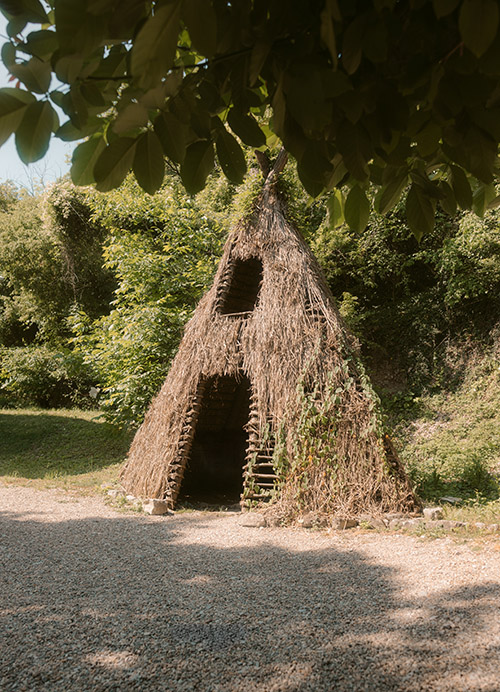
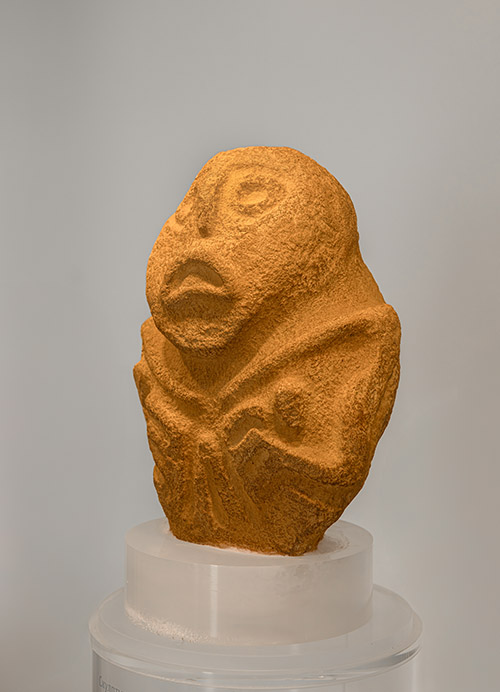
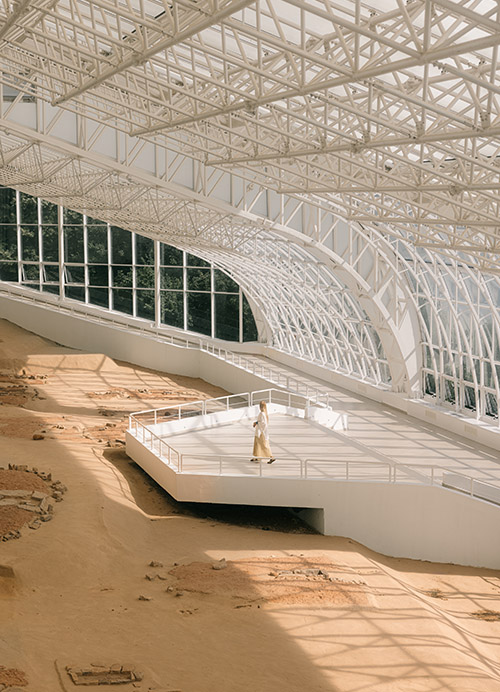
In Đerdap, time does not pass – it accumulates. On the banks of the Danube lies Lepenski Vir, one of the most important prehistoric sites in Europe, more than 7,000 years old. The remains of trapezoid-shaped houses and stone sculptures of fish-like deities reveal that people here long ago understood the rhythm of the river.
Downstream, carved into the rock above the water, stands Trajan’s Tablet – a Roman inscription that tells of the empire’s power and the roads that once connected continents. Through centuries, ships and galleys of Romans, Ottomans, Germans, and many other peoples have passed this way. Rarely can history be read like a comic strip in stone – frame by frame, century by century.
Seven Thousand Years Under the Open Sky
Miroč, Tumane and Flavors That Stay
Above everything rises Mount Miroč, quiet and dignified. From its pastures comes the famous Miroč cheese – unique and strong, just like the land it comes from. At its foothills, hidden among forests, lies the Tumane Monastery, a place of silence and spiritual rest where pilgrims and travelers alike find peace.
Ending the day with a sunset over the Danube, while the water reflects golden tones, means understanding why this is Serbia without filters. By bike or on foot, everyone chooses their own rhythm, yet the landscape remains the same – powerful, sincere, and slightly romantic. Đerdap asks for very little: simply approach it slowly, with open eyes. And once you travel this route, from Golubac to the last cliffs of the gorge, you will realize that you have actually journeyed through time – returning with a story you will tell for a long time.
*Translation powered by AI