

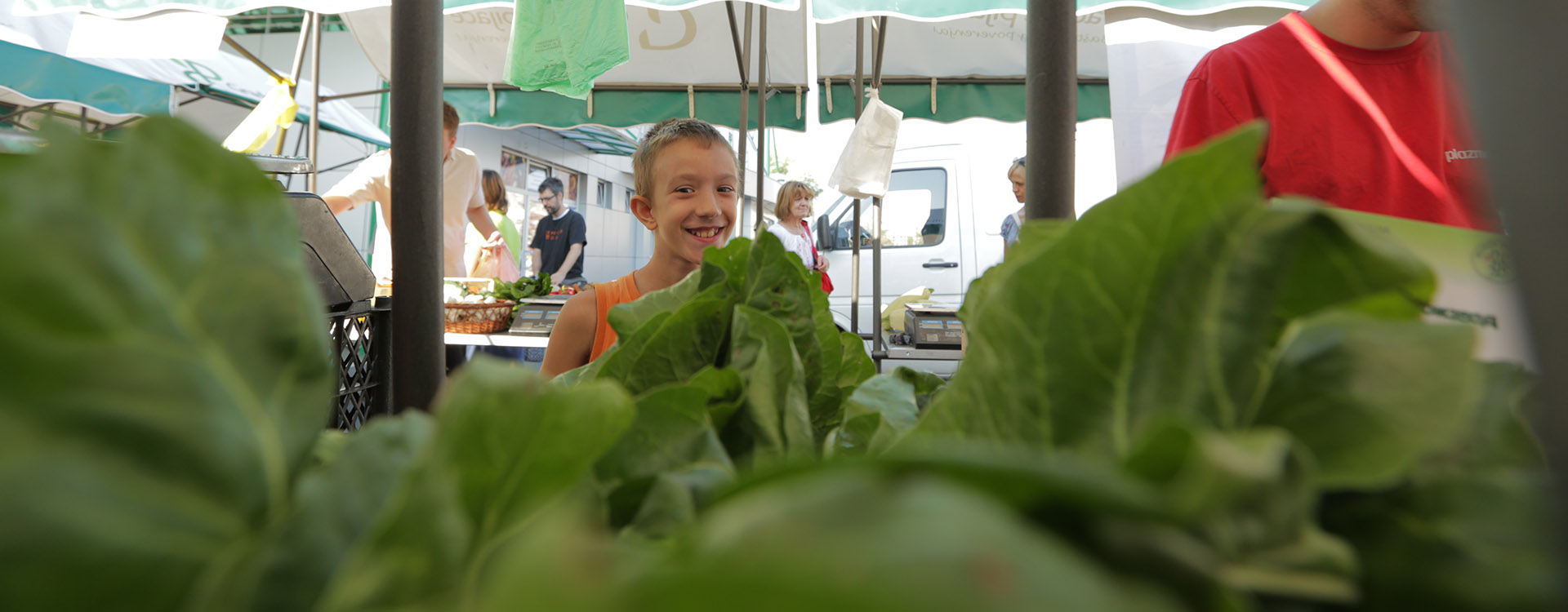
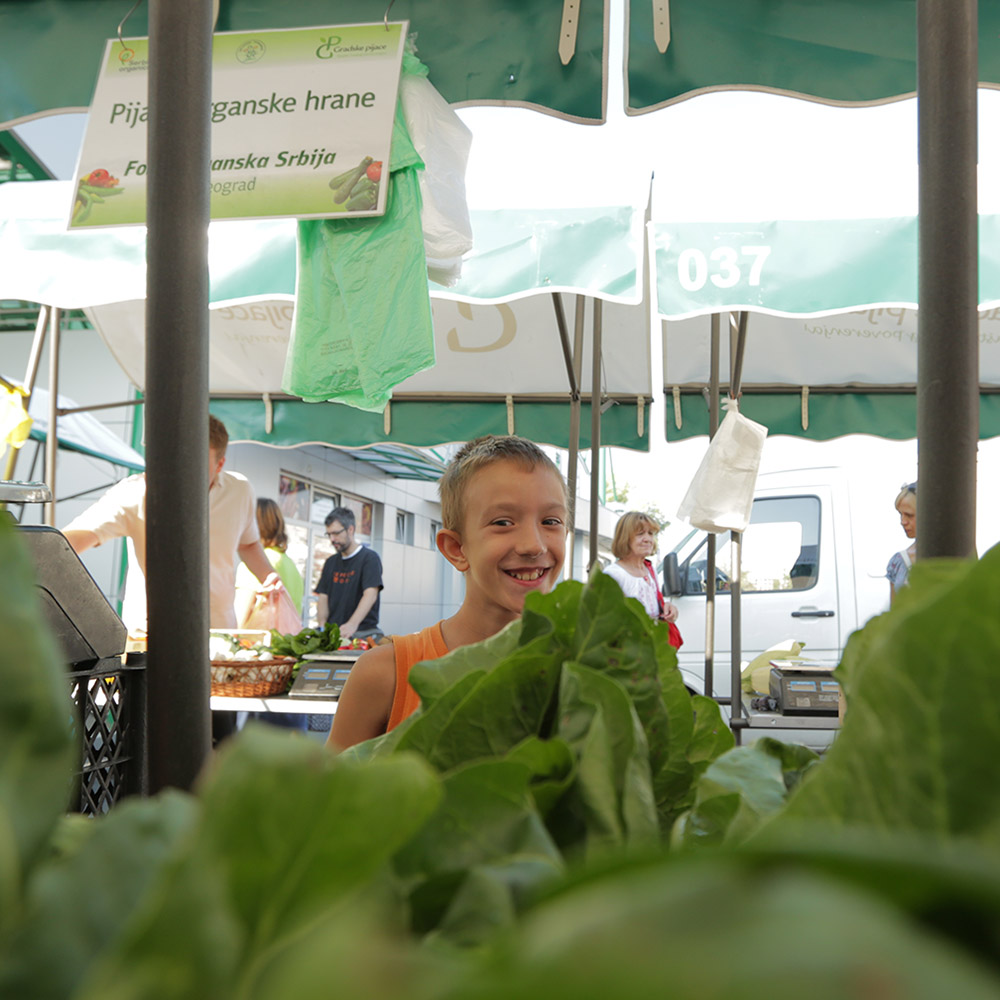
Morning rituals and the green whisper of stalls
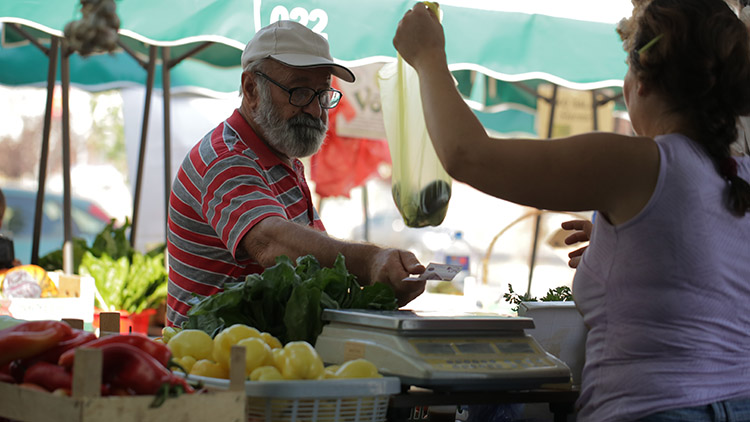
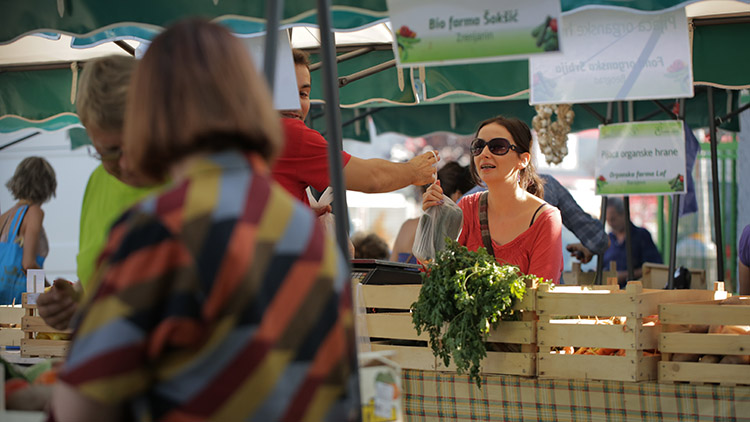
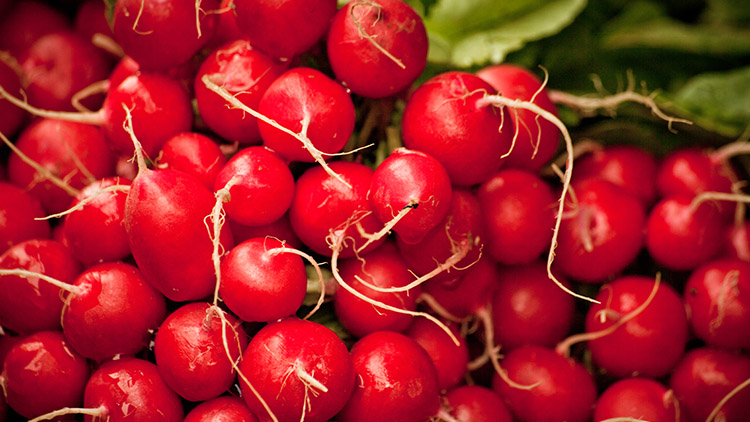
There are cities that wake up to the sound of trams, and those that wake up to the rustle of market bags. In Belgrade or Novi Sad, weekends don’t begin with coffee — they begin at the market. At Kalenić, Bajloni, or Futoška market, morning carries the color of fresh parsley and the scent of just-picked strawberries. Here, you don’t just buy food — you collect stories: a grandmother offering cheese “like it used to be,” a honey seller who knows every bee by name, and a neighbor who will gift you life advice along with your tomatoes.
The market is the last place where people look each other in the eye while shopping. There’s no supermarket rush here, only a kind of slowness that feels good. Foreign visitors stepping among the stalls for the first time often pause, unsure — should they take photos or taste something? And then someone hands them a slice of apple, and everything becomes clear. This is not shopping. This is a welcome.
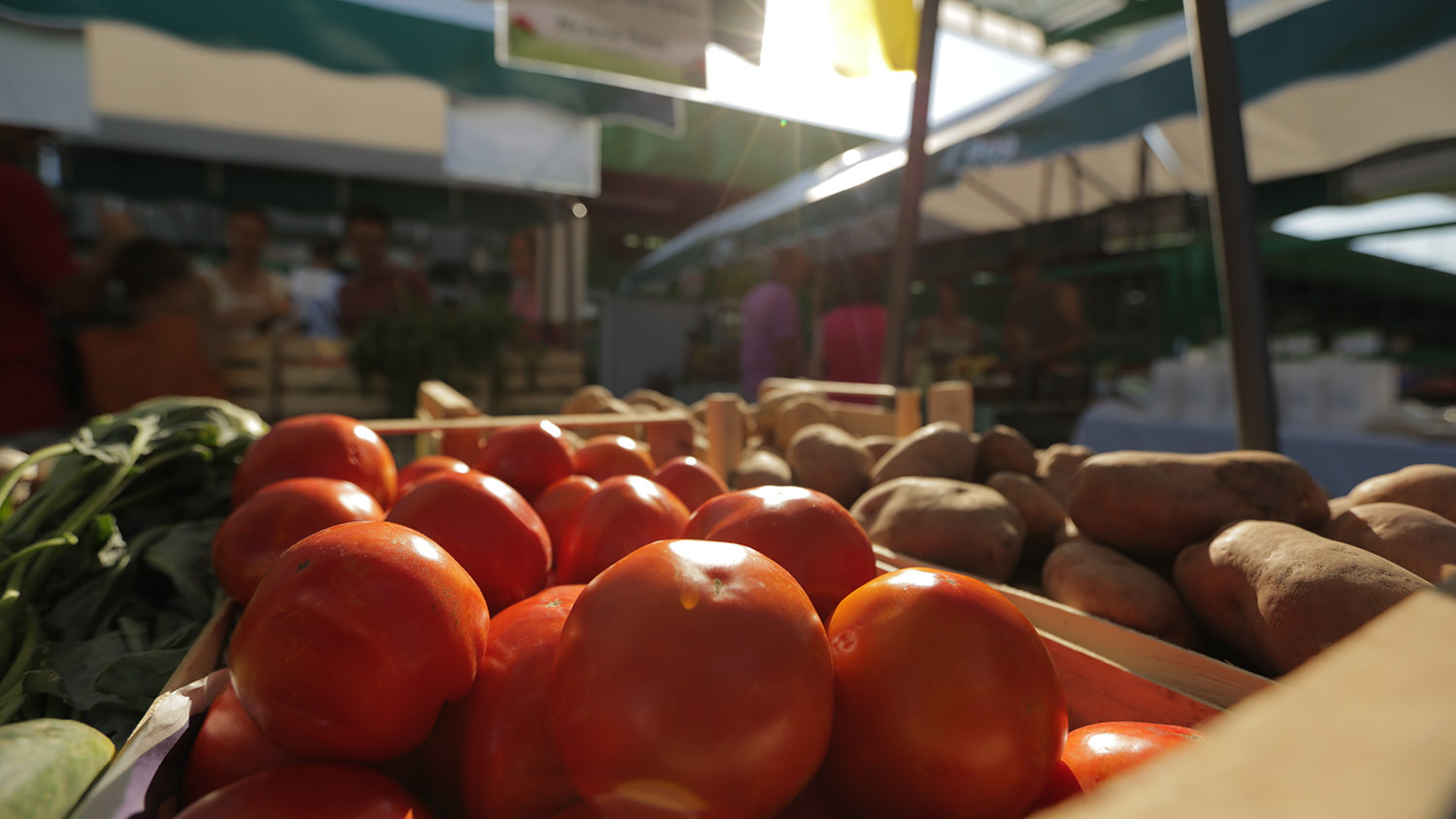
Cities that smell like home
Every market has its own character, like an old bohemian who knows exactly where to find the best rakija. Bajloni smells of bread and history, Kalenić of urban rhythm and lively conversations, while Futoška carries that wide, open spirit of Vojvodina — as if there’s room for everyone, and a little more.
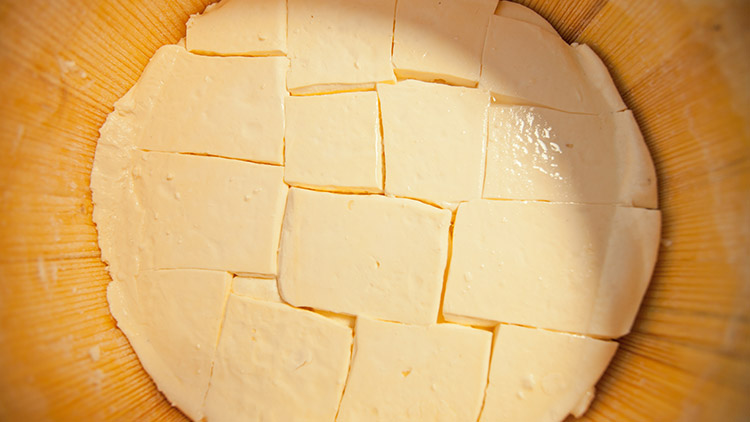
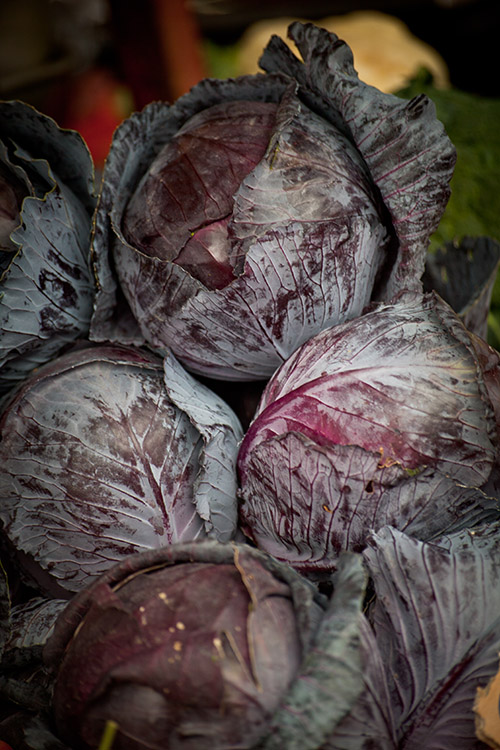
At the stalls, villages and cities meet: ajvar from the south, mountain cheese, wine that remembers the sun. There are also small artisans — people who craft chocolate by hand, soaps that smell like childhood, and preserves that look as if they came straight from a grandmother’s cupboard. A market is, in fact, the most honest restaurant of a city — no menu, just the finest ingredients.
And that is why, if you want to truly get to know Serbia, you don’t need a guide. Just go to a market and ask: “What’s best today?” The answer will take you further than any map.
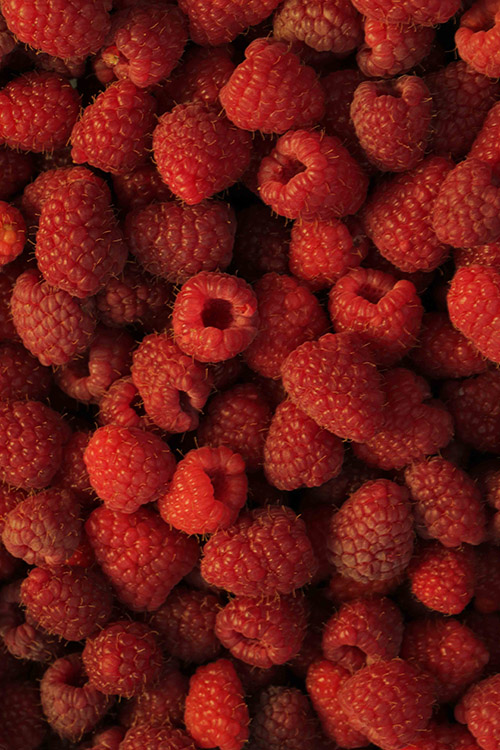
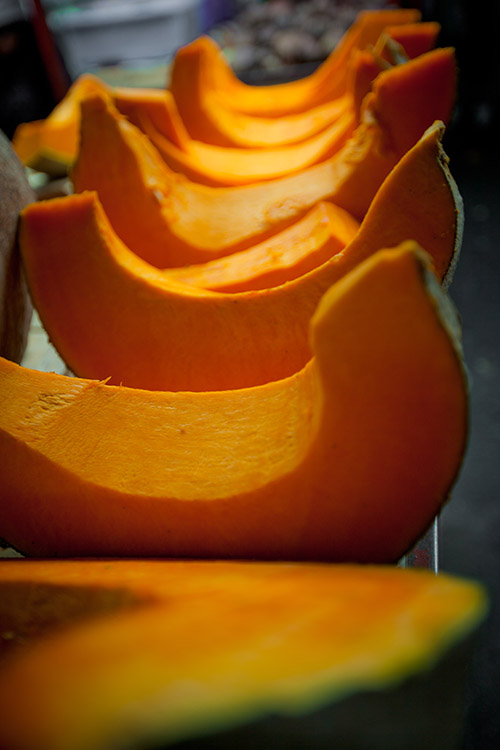
And then, when night falls and you think everything has quieted down, the markets come alive again — but in a completely different way. Night markets are a new urban adventure, where tradition meets the rhythm of modern life. Lights turn on, a DJ starts playing, and between the stalls something begins that feels like a festival, but smells like cheese and basil.
On one side, craft beer flows — cold and curious, much like the crowd enjoying it. On the other, someone slices rich cheese and serves it with homemade bread. A bit further on, colorful stalls with hand-dyed shirts, unique jewelry, and small works of art — as if the market decided to dress up for a night out.
Young people come here, but also those who remember when they were young. Conversations grow louder, smiles more relaxed, and shopping becomes an excuse for gathering. The night market is not just an event — it’s proof that a market never truly sleeps. It simply changes its rhythm.
Night Market: when the market becomes a stage