


At the end of the road, the story begins
Devil’s Town is not a place you arrive at by chance; you come to it like to a story someone told you long ago, one you suddenly wish to experience again. It lies in southern Serbia, on the slopes of Mount Radan, within the territory of the village of Đake, about 27 kilometers southeast of Kuršumlija, 89 kilometers from Niš, and around 288 kilometers from Belgrade.
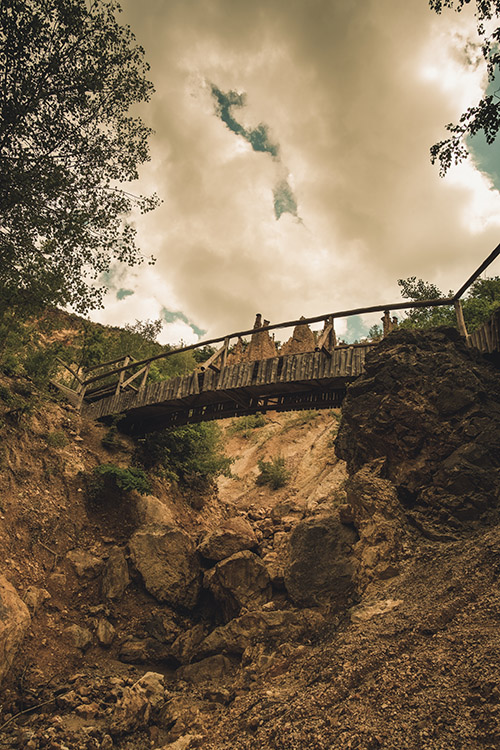
This is not just a point on the map, but a scene that instantly awakens curiosity and a smile, as if nature decided to reveal its most imaginative side here. The site is reached by turning at Sastavci from the Niš–Kuršumlija–Priština route, then following a narrow asphalt road to the village of Zebice, and further to the entrance of the protected area, from where a 900-meter walk leads to the viewpoint. And those last few hundred meters are taken more slowly—not out of fatigue, but because each step brings you closer to a view that feels as if it has stepped out of an old, familiar tale.
Stone Caps and Earthen Figures
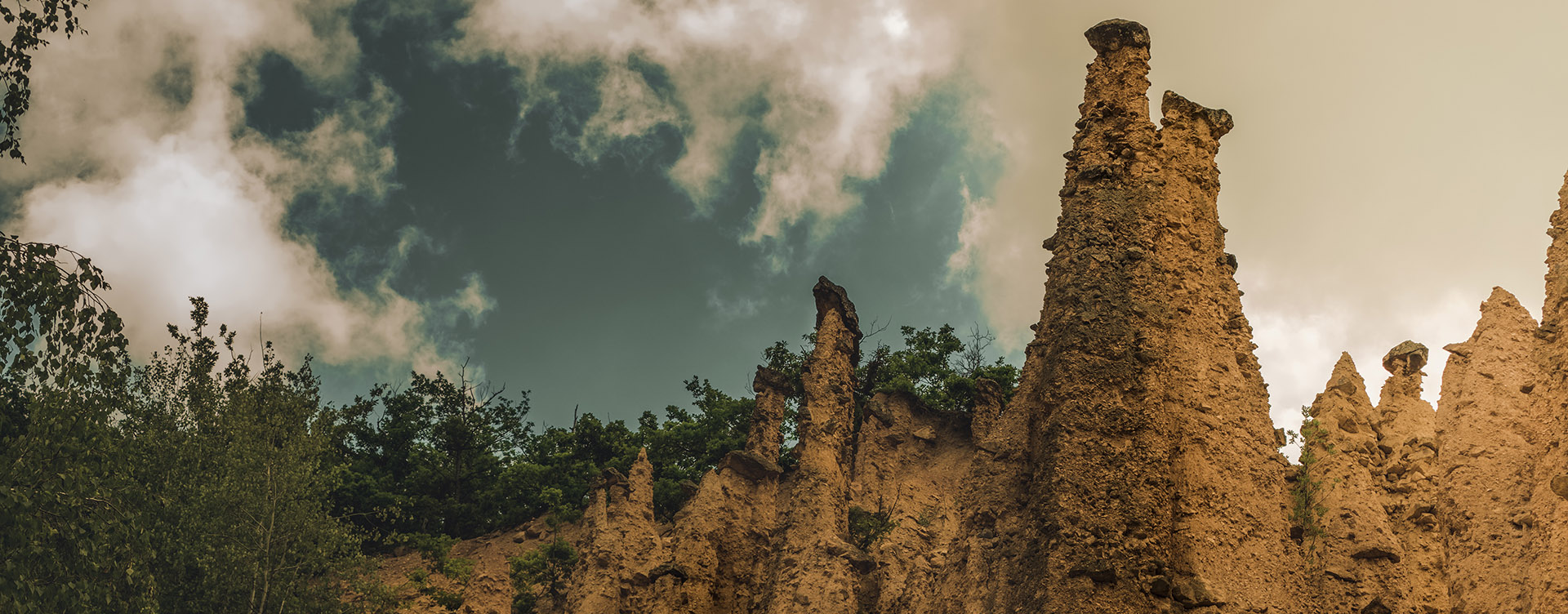
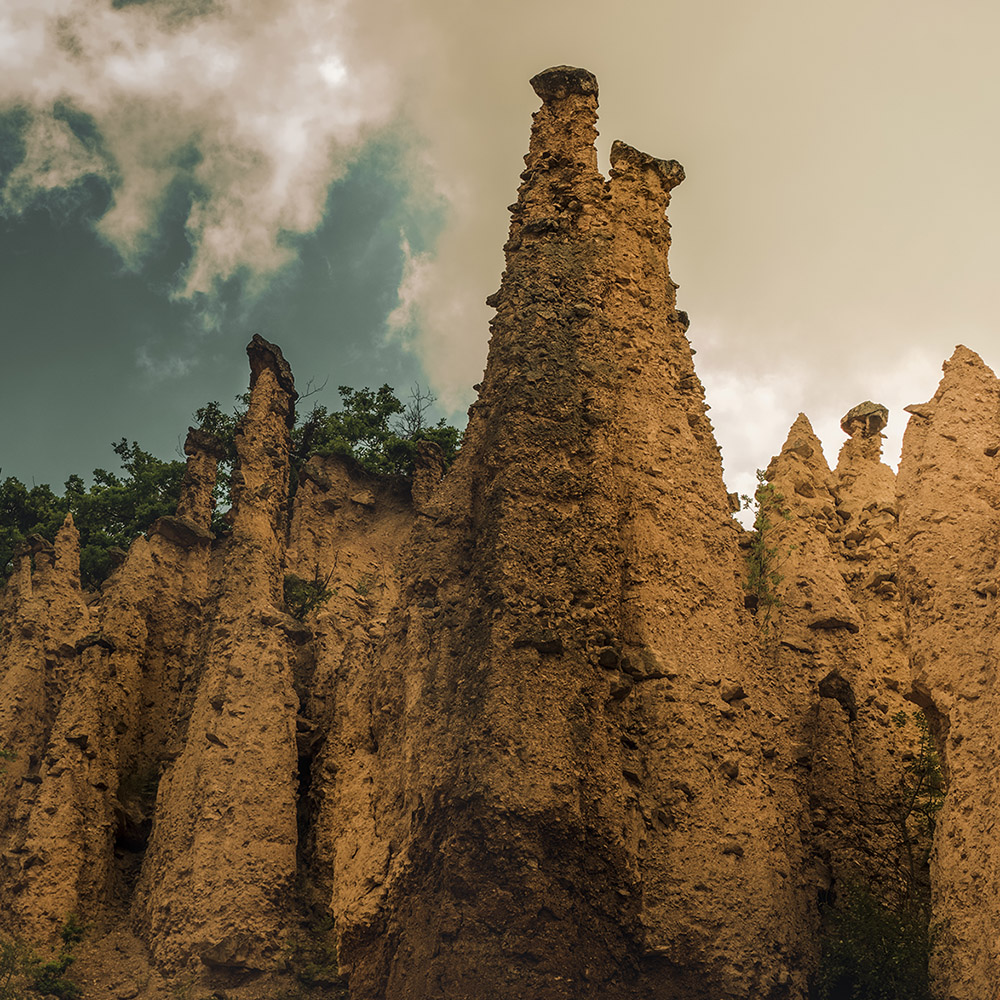
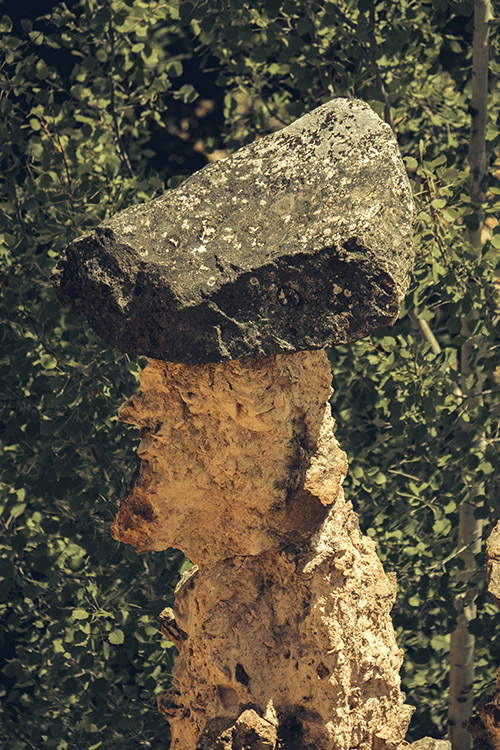
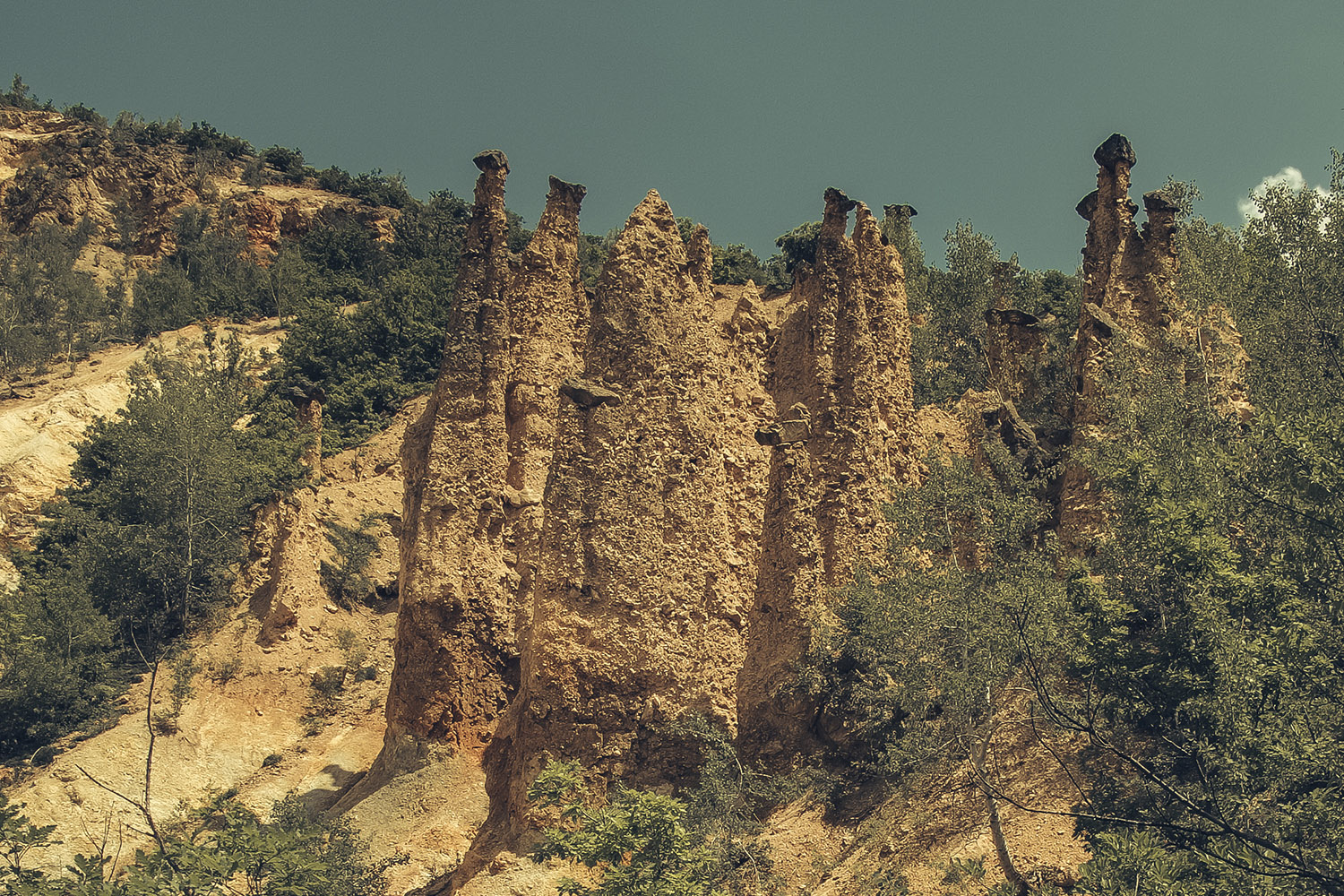
At the heart of this landscape stand 202 earthen figures, ranging from 2 to 15 meters in height, arranged within the Devil’s and Hell’s gullies like an unusual gathering frozen mid-conversation. With stone caps on top, these formations appear as if they assembled at some ancient council of nature and remained there to guard its secret.
Science explains that they were formed through long-term erosion: rain washed away the loose soil, while the stones protected the ground beneath them. Yet what makes them truly unique is the fact that they are still changing—growing, reshaping, and disappearing—making Devil’s Town a living natural phenomenon.
That is precisely why this site was Serbia’s candidate for the New 7 Wonders of Nature, where it ranked among the Top 77 worldwide and stood as the highest-ranked European candidate in its group. Some places captivate with beauty, while others, like this one, captivate with a story you carry with you long after you leave.
But Devil’s Town would not be what it is if it could be explained by science alone. For generations, people have seen in these figures something more—a story, a warning, a belief that endures.
The most famous legend tells of the devil preparing “devil’s water” to make villagers forget their blood relations, leading them, in a daze, to attempt to marry a brother and sister. The guardian fairy of the region tried to prevent the tragedy, and when she failed, she prayed to God to stop the sacrilege; at that moment, heaven and earth united, a cold wind blew, and the wedding guests, along with the couple, were turned to stone forever.
Another legend, equally powerful and closer to everyday life, says the figures represent petrified devils from whom people freed themselves after spending a night near the Church of Saint Petka.
Like any good story, these legends speak more about people than about stone—about faith, hope, and the need to find a place where one feels lighter and closer to oneself.
Legends that Inspire
Red Waters, Sacred Silence and a Wooden Church
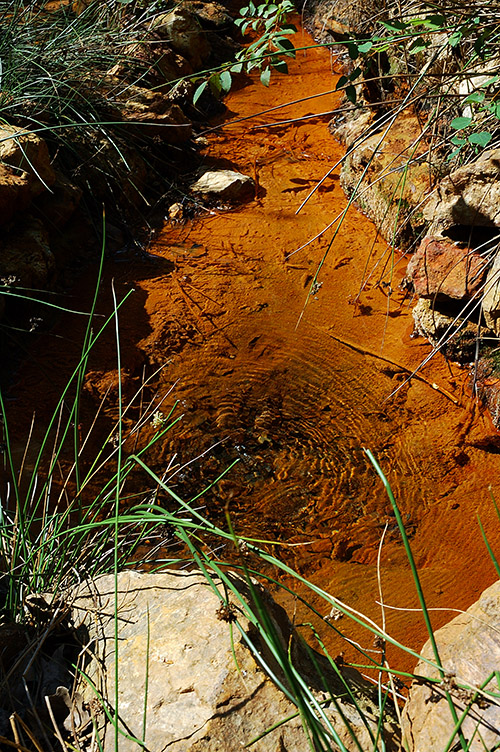
The unique charm of this place is further enhanced by natural phenomena that deepen its distinctiveness. The Devil’s Water, extremely acidic and rich in minerals, and the Red Spring, which gives the soil its characteristic reddish hue, appear like details from the same unusual yet fascinating natural canvas.
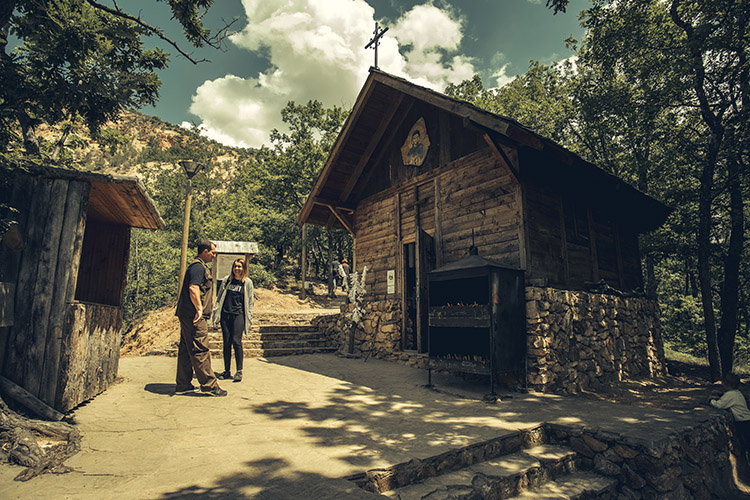
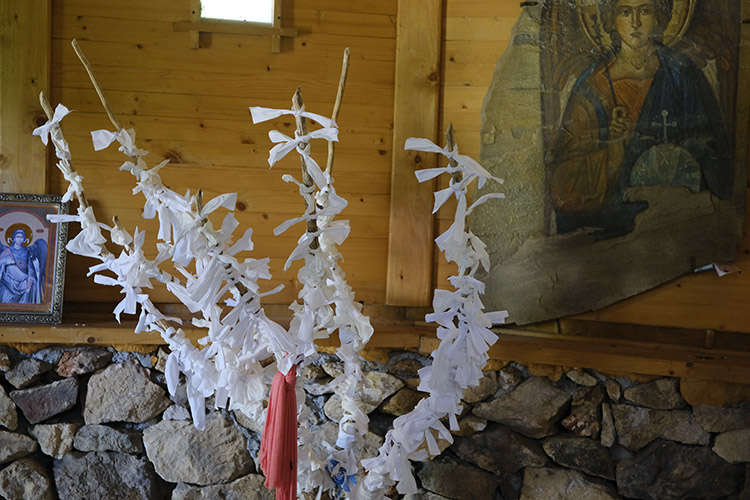
Nearby stands the wooden Church of Saint Petka—modest, quiet, and harmonious, almost shy in the presence of such a natural wonder. It is believed to help those who come with wishes and hope, and visitors still leave symbolic traces of their desires here, in an atmosphere that invites peace and inner balance.
Thus, in Devil’s Town, within a small space, three Serbias meet: the one of stone, the one of legend, and the one that still believes nature is not just a landscape, but a dialogue between humans and something greater than themselves. That is why visitors do not leave with just photographs, but with the feeling that they have briefly witnessed what it looks like when myth and geography meet face to face.
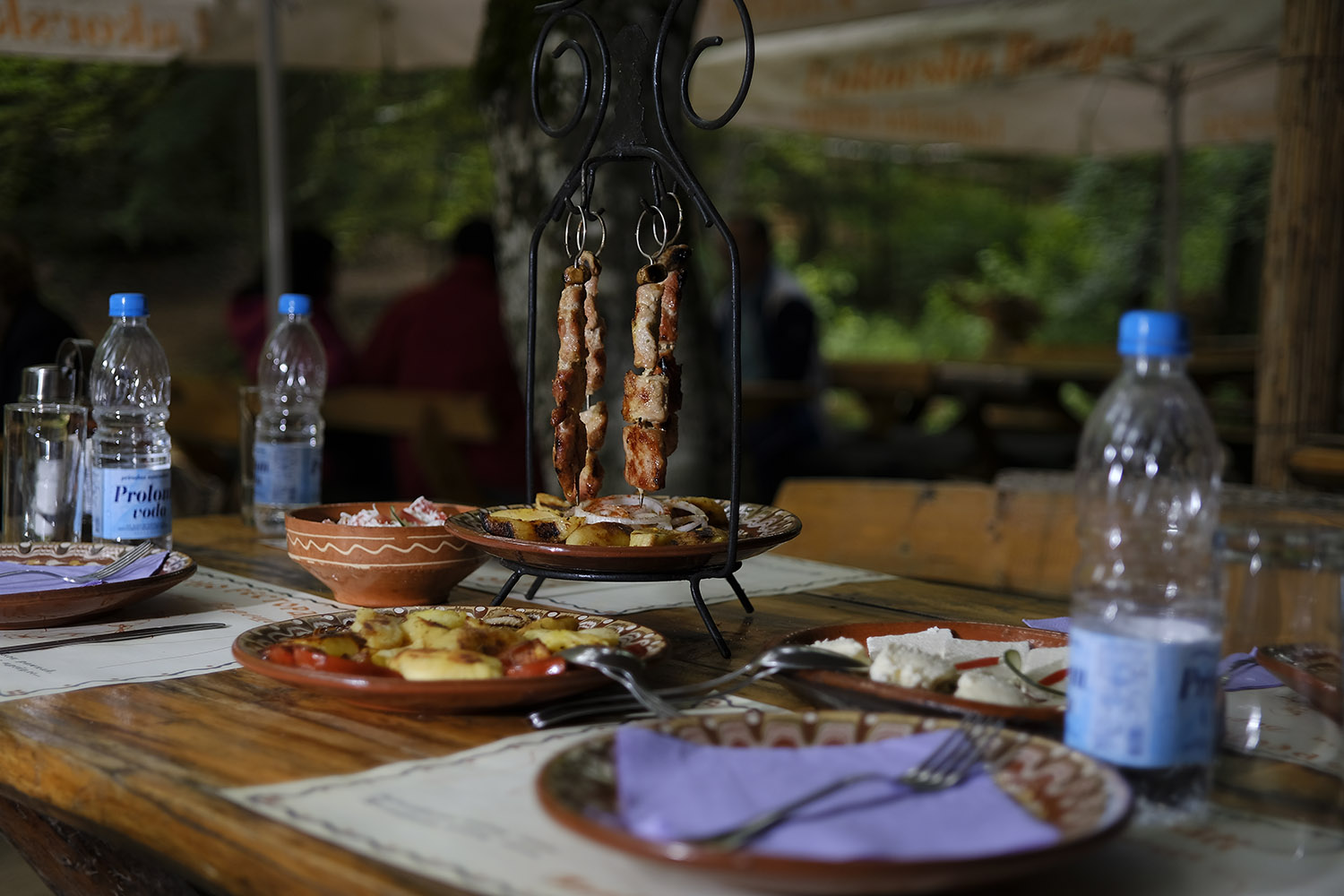
After walking through this unique natural wonder, visitors can take a well-deserved break at the on-site restaurant, where traditional dishes provide a warm and satisfying conclusion to the experience. Because in Devil’s Town, even rest has a special flavor—the kind you remember and gladly return to.
*Translation powered by AI