


A Town Between the Nišava River and Stara Planina
Pirot is a town that breathes in rhythm with the mountain and the river. Located in southeastern Serbia, right by the border with Bulgaria, in the wide and gentle valley of the Nišava River, it has for centuries been a natural passage and a meeting point of different routes, people, and cultures. The town grew along both banks of the Nišava, now linked by bridges and lively streets, giving Pirot the character of an open town where nature and everyday life constantly intertwine.
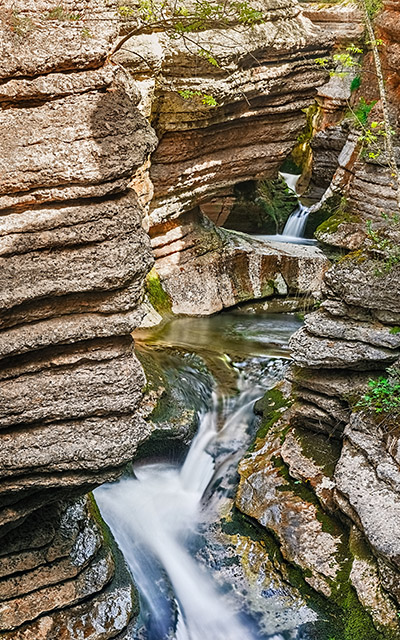
Pirot is surrounded by an exceptionally diverse mountainous landscape at a short distance from the town—ranging from the massif of Stara Planina and the rugged Suva Planina to the softer slopes of Belava and Vlaška Planina. This concentration of varied relief forms gives the region a strong natural identity. Among its natural gems, the Rosomački Pots stand out as a unique geomorphological phenomenon shaped by the long-lasting action of water on stone, while the Jerma Canyon is considered one of the most beautiful and most visited excursion sites in southeastern Serbia.
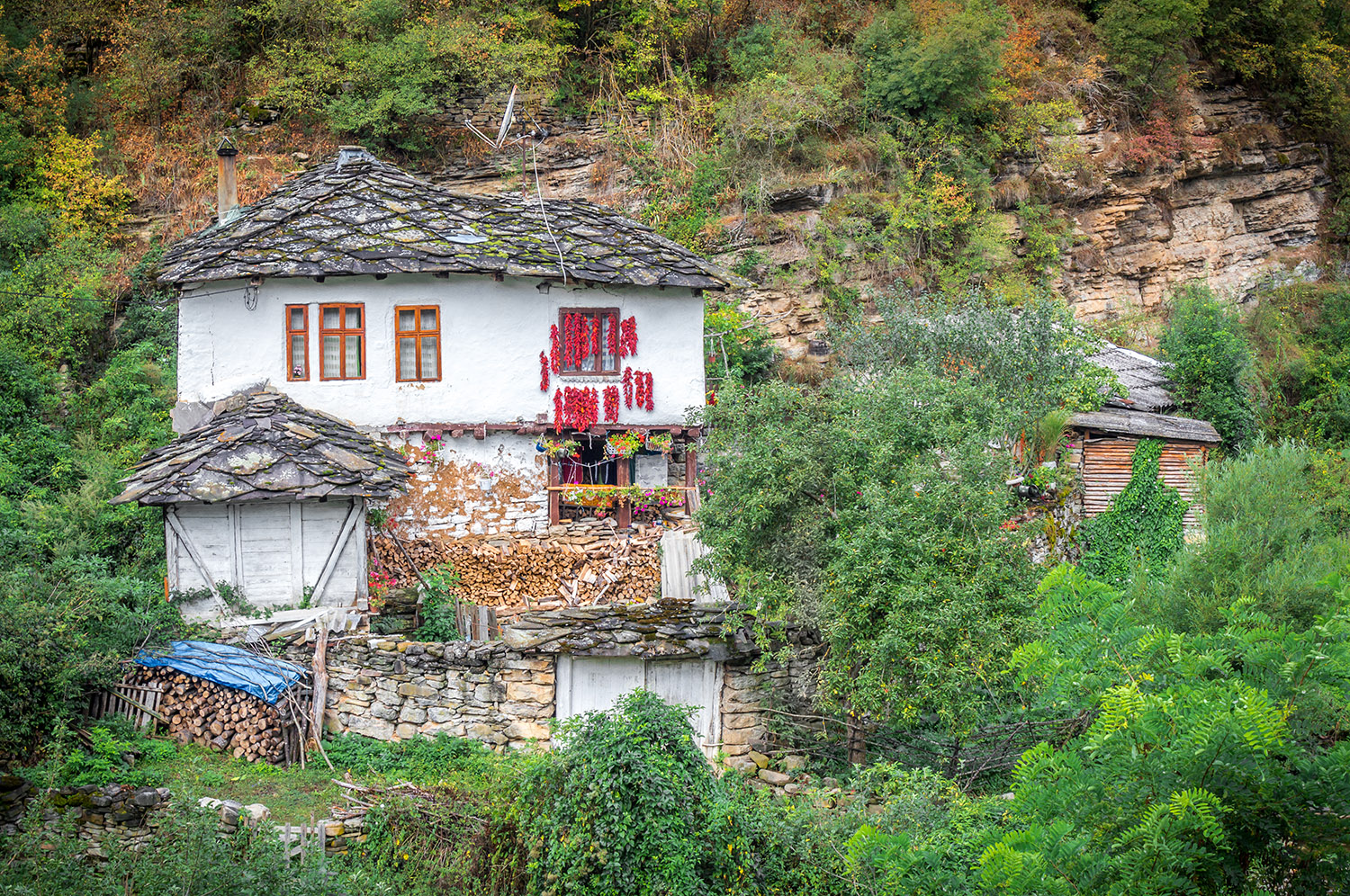
At the foothills of Stara Planina lies the famous village of Gostuša, the “Stone Village,” where walls, roofs, and even chimneys are built entirely of stone. It is a perfectly preserved image of life on Stara Planina—an ideal excursion for those who wish to see how houses were once built and what a village looks like when it remains unchanged for centuries.


From the Roman Via Militaris to Momčilo’s Town
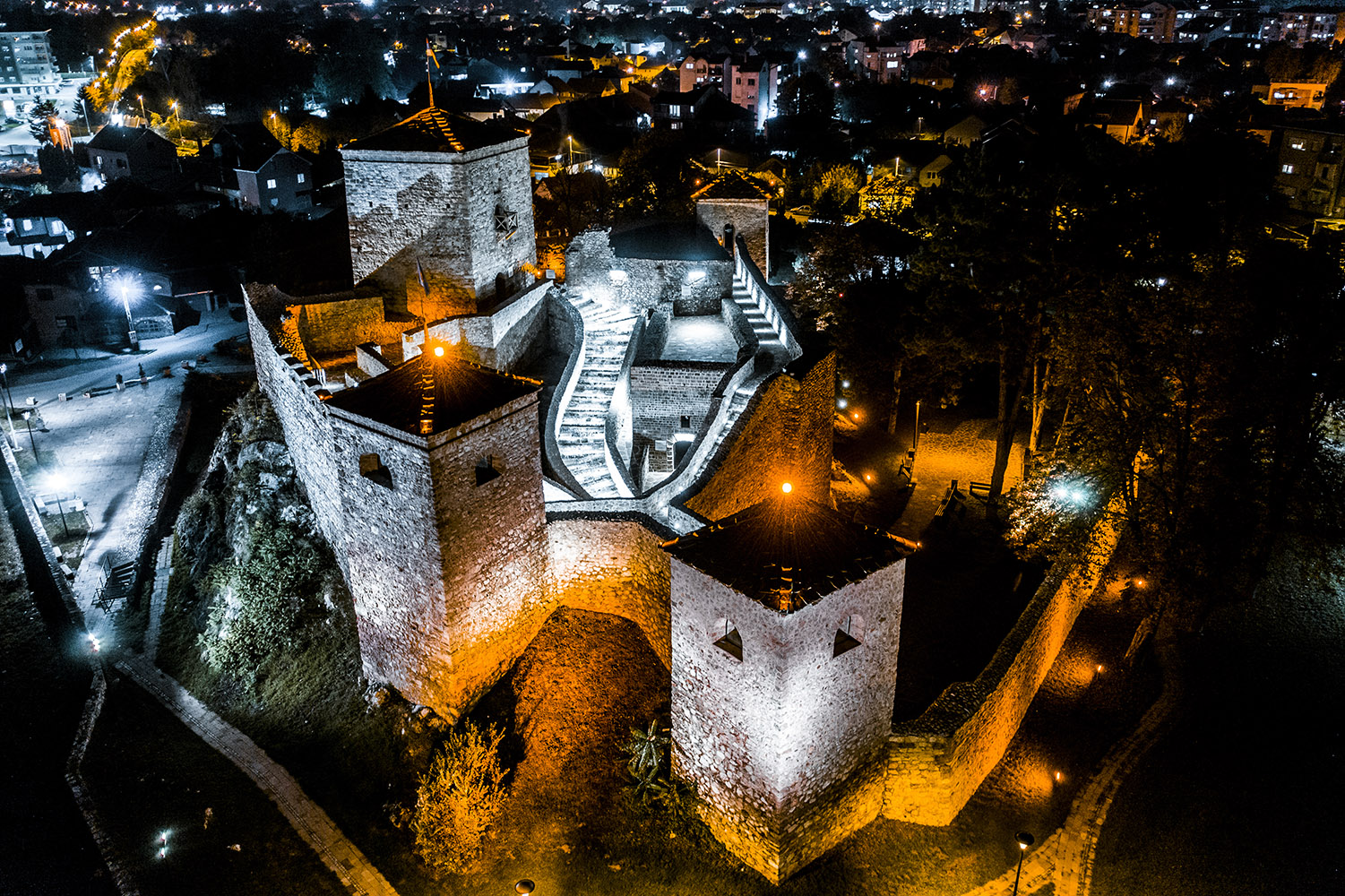
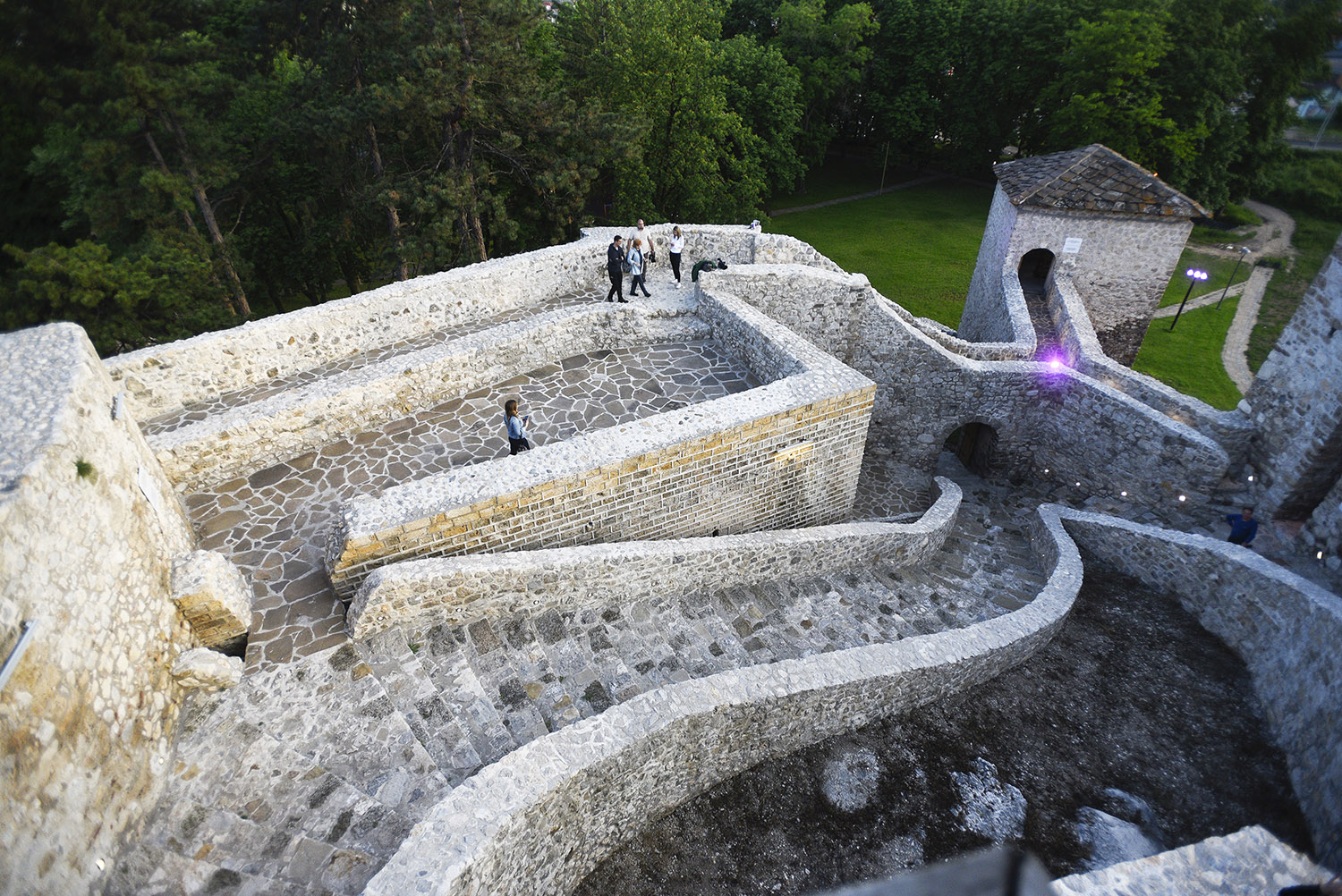
The history of Pirot is inseparably linked to the ancient road Via Militaris, which in Roman times connected Singidunum with Constantinople, making the town an important stop for merchants, travelers, and armies. A symbol of this continuity is the Pirot Fortress, also known as Momčilo’s Town—a 14th-century medieval stronghold that once guarded the Nišava Valley and the route to the east, and today stands open to visitors.
During the Ottoman period, Pirot developed into a strong trading and craft center, whose heart was the Tijabara bazaar, recognizable by its shops, taverns, and carpet trade. In the 19th century, the town gained elegant bourgeois houses, among which the Hristić family house stands out—today the Museum of Ponišavlje. Orthodox churches in the town and the rich sacral heritage of the surrounding area further testify to the spiritual strength of this region.
Today, Pirot is a small town with a great past, where the fortress, the bazaar, and old houses naturally blend with modern promenades and cafés—an ideal setting for an unhurried city stroll accompanied by stories from other times.


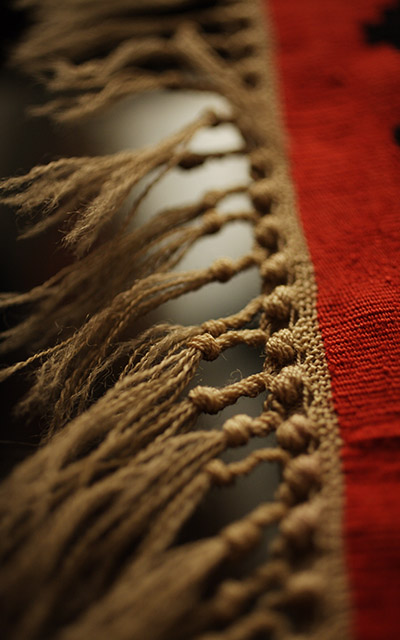
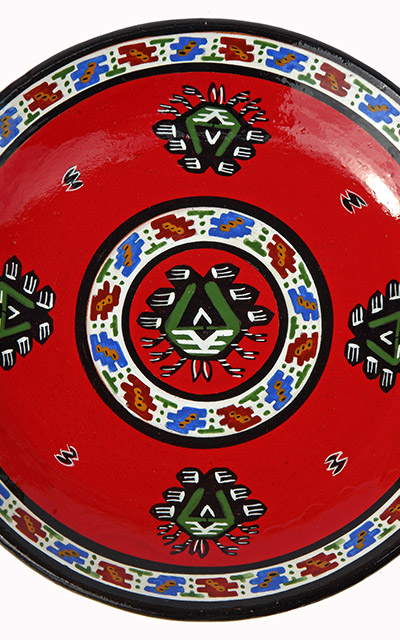
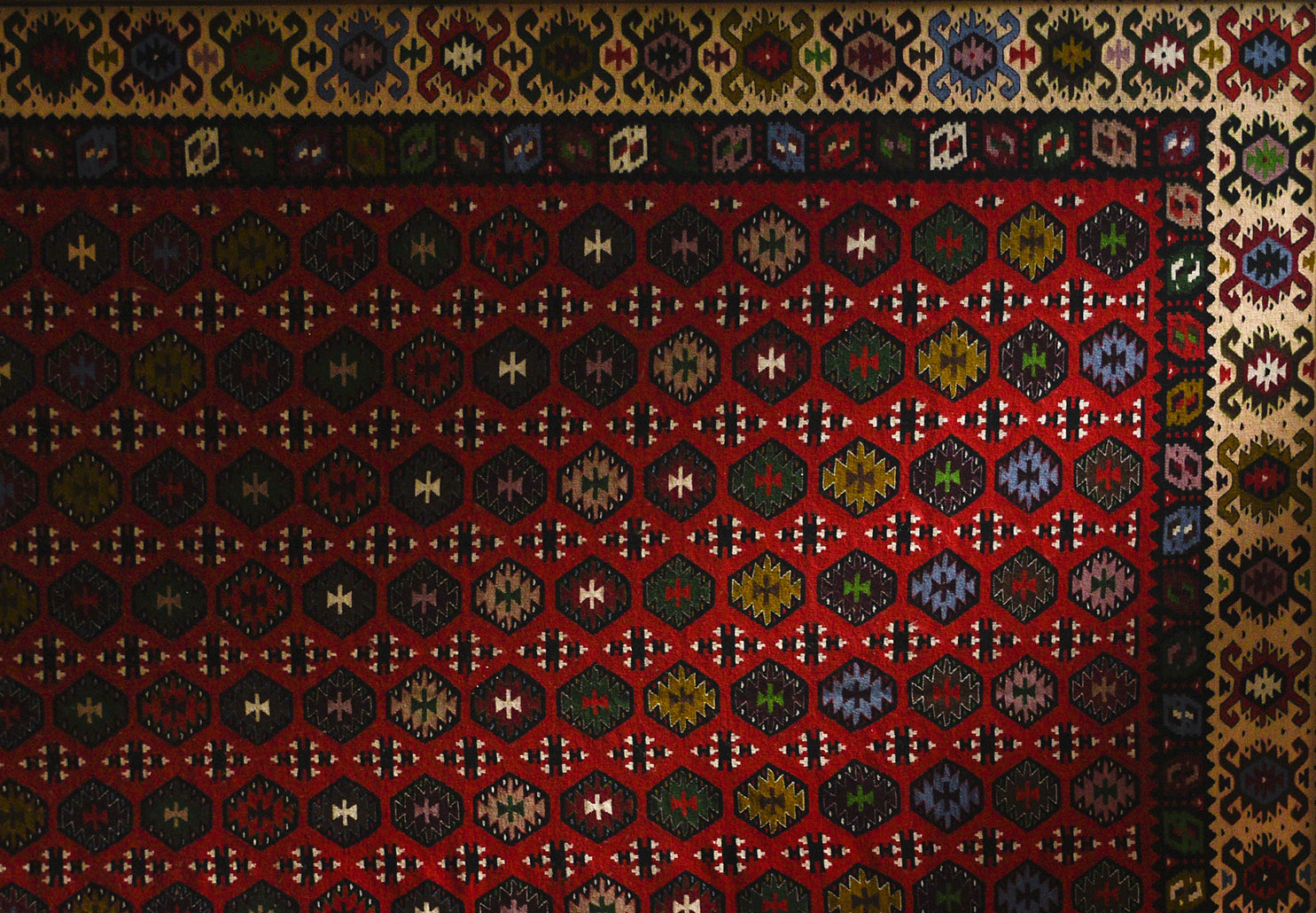
If any town in Serbia can be called an “open-air textile museum,” it is Pirot. The Pirot carpet, woven from wool from Stara Planina, with its distinctive geometric patterns and two identical sides, is one of the town’s most important symbols. The craft of Pirot carpet weaving is inscribed on Serbia’s national list of intangible cultural heritage, with an initiative underway for inscription on the UNESCO list.
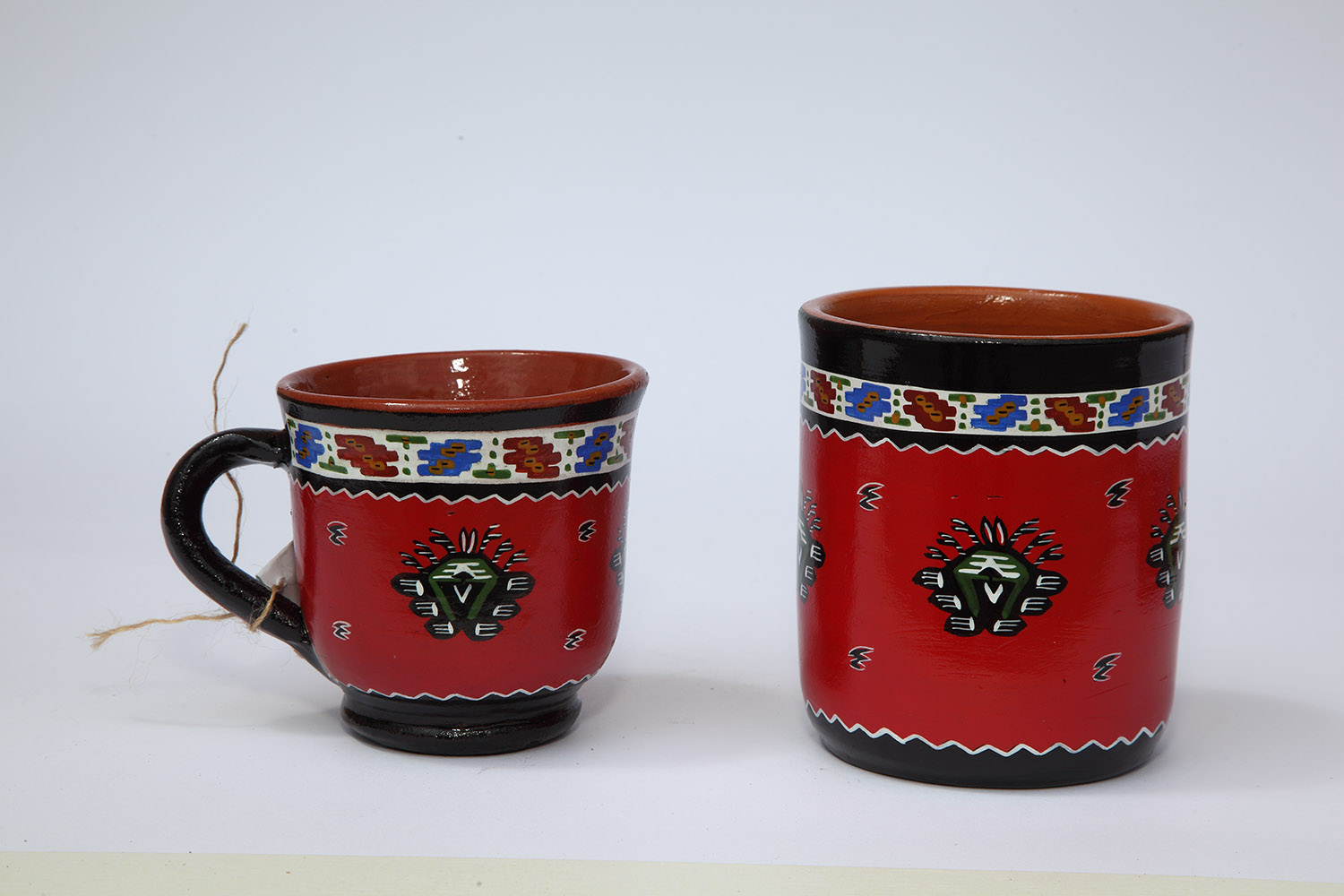
In the old bazaar, the rhythmic tapping of looms can still be heard today, as weavers patiently and with merak arrange motifs of doves, roses, and the tree of life. Each carpet carries a personal story and is often taken from Pirot as a lasting keepsake. The Museum of Ponišavlje, housed in the Hristić family home, preserves a rich collection of carpets, pottery, and a reconstructed 19th-century bourgeois interior, while throughout the year the town comes alive with events dedicated to culture, traditional crafts, and gastronomy.
A Town of Carpets, Bazaars, and Open-Air Museums
The Flavors of Pirot – From Cheese to Pressed Sausage
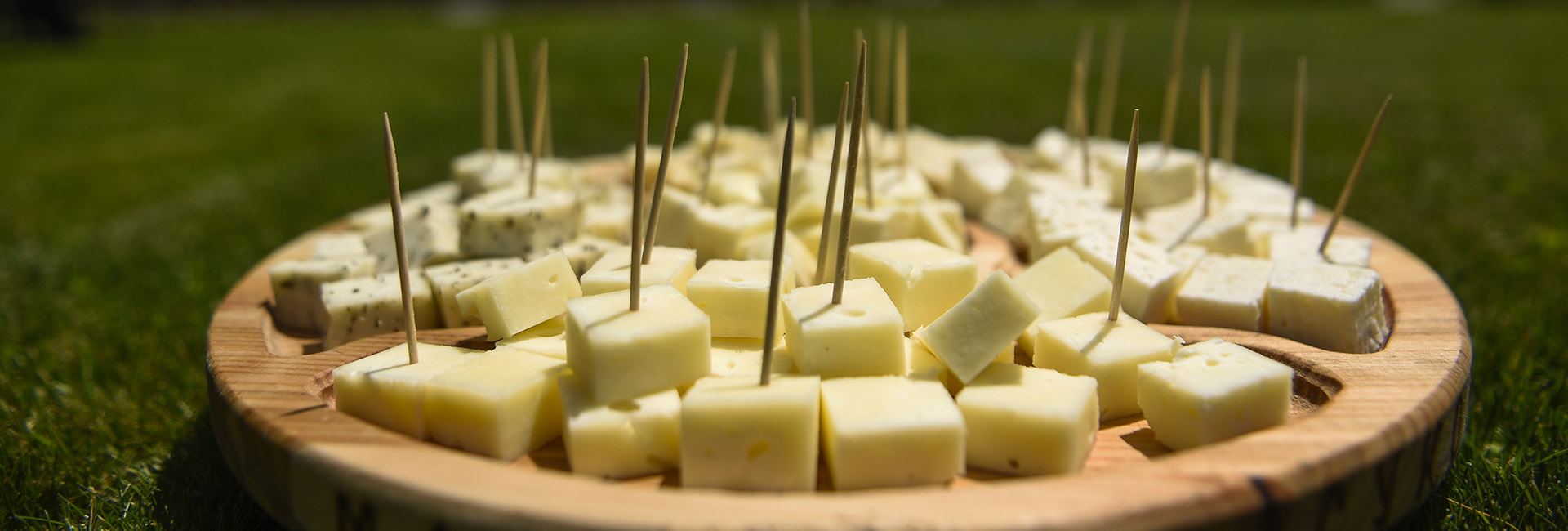
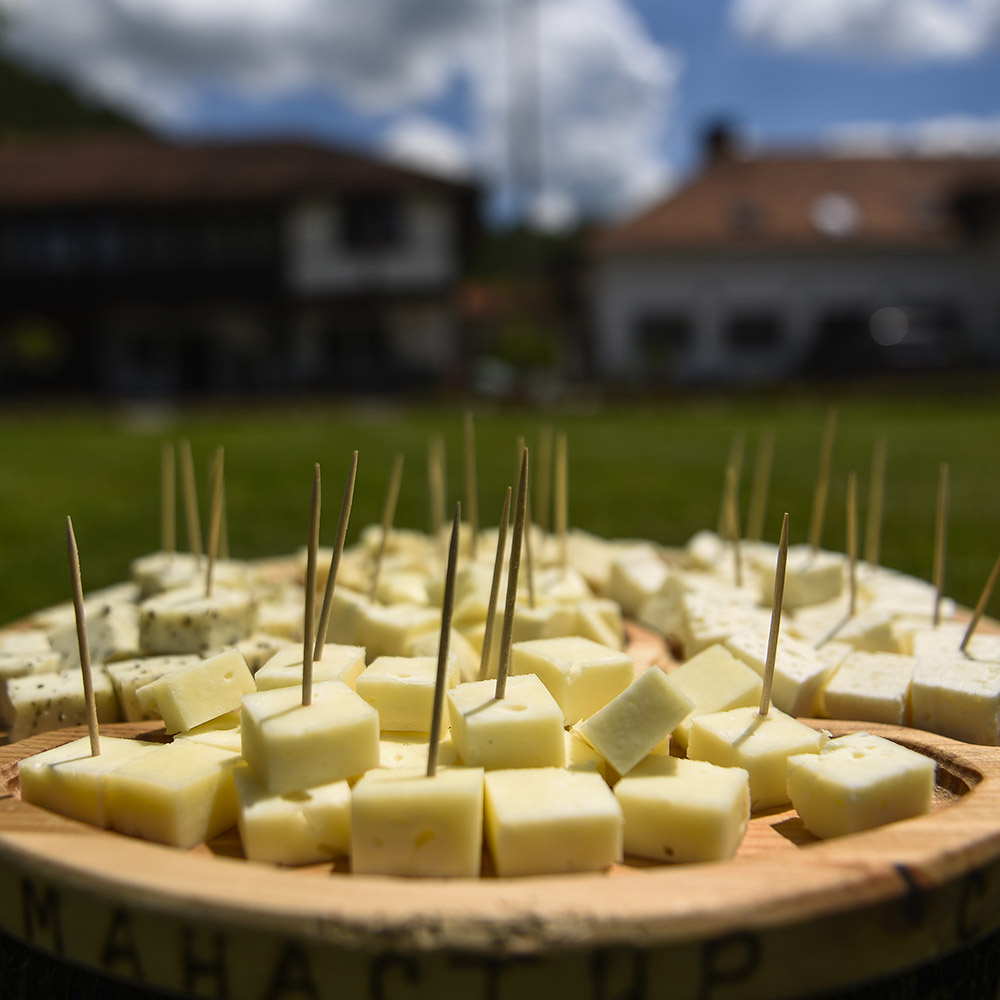
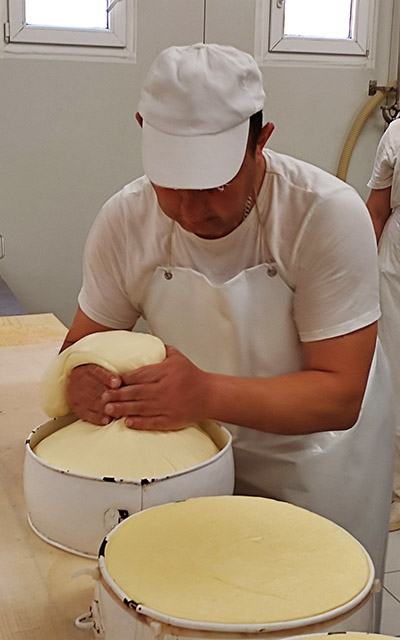
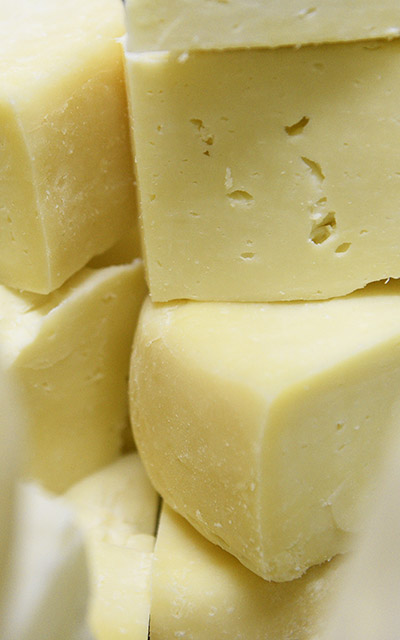
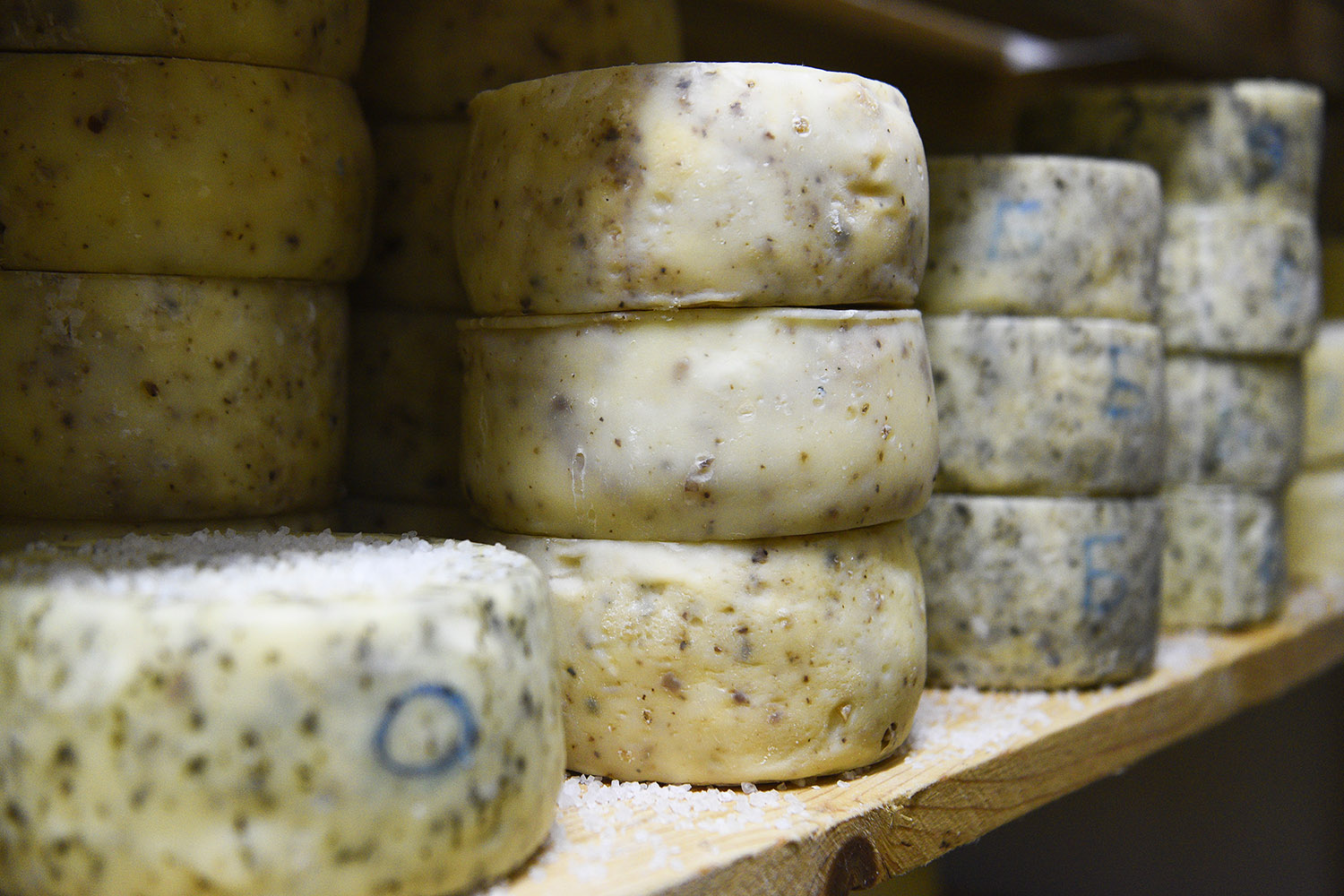
Pirot is also remembered by its taste. Pirot kačkavalj cheese, made from the milk of sheep grazing on the pastures of Stara Planina, is protected as a product of geographical origin and is part of Serbia’s intangible cultural heritage. In local dairies and restaurants, it is served young or aged, accompanied by homemade bread and wines from southern Serbia—simple, yet authentic.
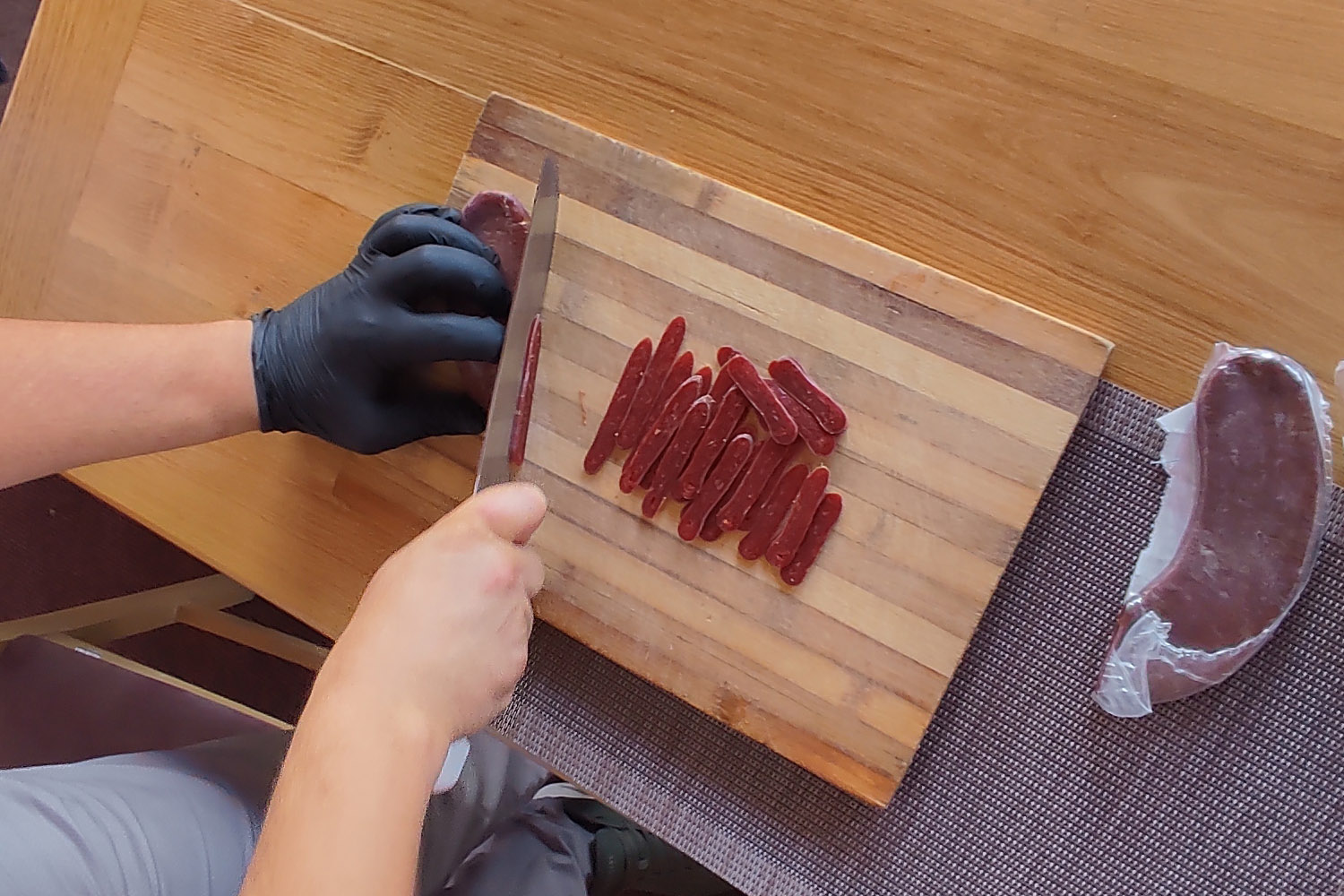
Equally distinctive is the Pirot pressed sausage, a specialty whose uniqueness lies in the long process of manual shaping during maturation, which gives it its characteristic form and a full, spicy flavor. Each winter, the Fair of Pirot Pressed Sausage is held in its honor, bringing together producers and lovers of good food from the country and the region.
The cuisine of Stara Planina is complemented by dishes prepared according to old recipes, while the contemporary gastronomic scene in the town center connects tradition with new flavors. When all is said and done—nature, history, carpets and cheese, bazaars and festivals—Pirot remains a town that is not merely visited, but experienced.
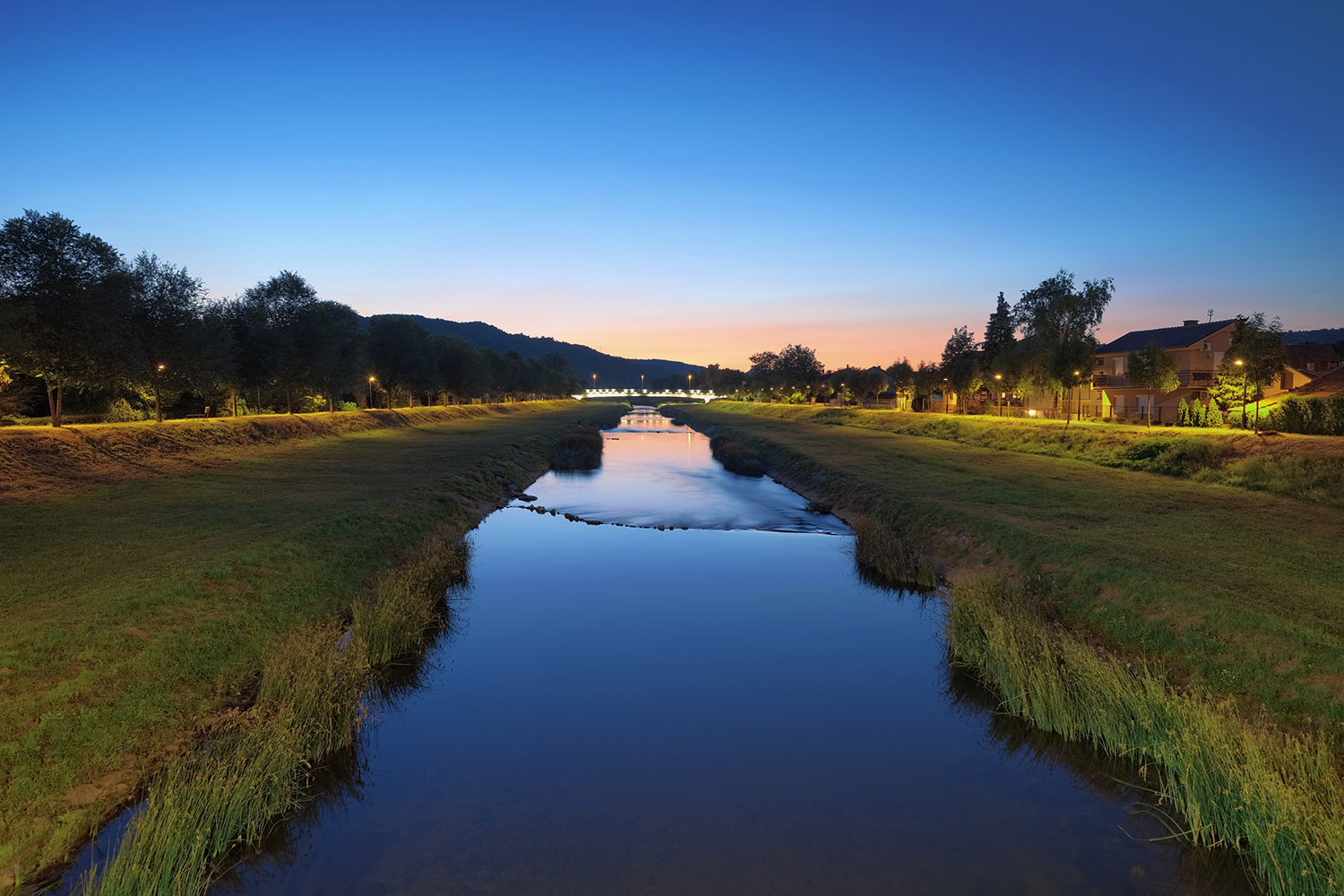
In summer, life in Pirot naturally moves closer to the water. The town’s bathing areas, outdoor and indoor pools, and the riverside promenade along the Nišava become places of rest, socializing, and slow walking without haste. Days end here with a stroll, a coffee, or an ice cream, while the river carries calm and refreshment, and the town reveals its most relaxed face.
It is precisely on the promenade and around the pools that one most easily hears the authentic Pirot dialect—short, vivid, and witty, through which locals express the essence with few words. This speech, together with the habit of stopping, chatting, and “having a quick word along the way,” is part of the town’s everyday iconography and an indispensable element of the Pirot experience for every visitor.
A Town of Unhurried Rhythm and Encounters
Пирот
Туристичка организација Пирот
Српских владара 77, 18300 Пирот
*Translation powered by AI
Stories
-
Street Art Guide through Serbia: In th...
On facades that were once silent, colors, messages, and emotions now intertwine, turning the streets of Serbia into open-air galleries beneath the wide sky
Read more
-
Spring Landscape of the Ovčar–Kabla...
For those who prefer to experience nature through movement, the gorge offers a full spectrum of activities
Read more
-
Serbia Without Filters – by Bike and...
And once you travel this route, from Golubac to the last cliffs of the gorge, you will realize that you have actually journeyed through time...
Read more
-
A Taste Worth Waiting a Year For
Traditionally, the pastries are brushed or drizzled with honey so that the marriage may be “sweet,” yet also enduring: honey preserves, completes, and binds things...
Read more
-
WILD SERBIA presenting Predrag Kostin
Humans are just a part of nature and, as such, should be aware and responsible for preserving it for future generations.
Read more
-
Weekend for Two
February is a month that can be cold, but never indifferent
Read more
-
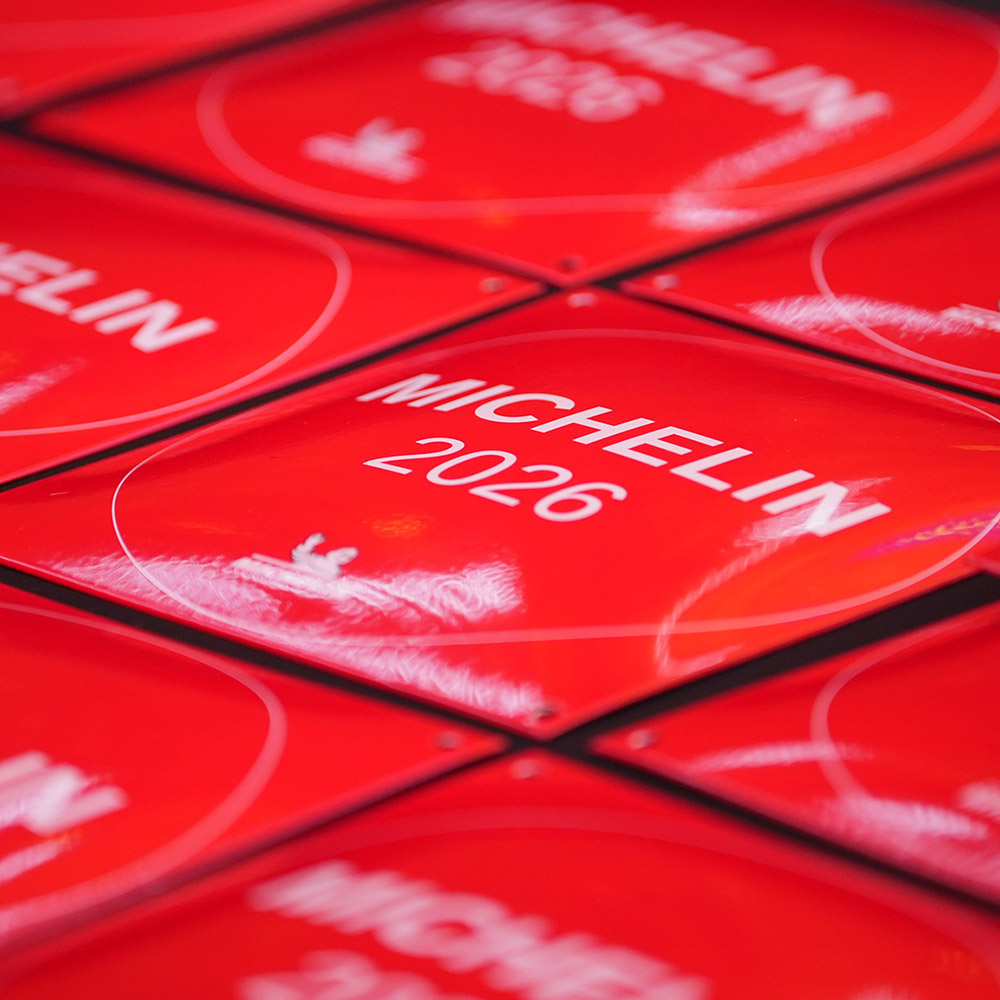
Michelin in Serbia
In the MICHELIN Guide Belgrade 2026, there are 25 recommended restaurants in total – two addresses with one star, three bearing the Bib Gourmand distinction,...
Read more
-
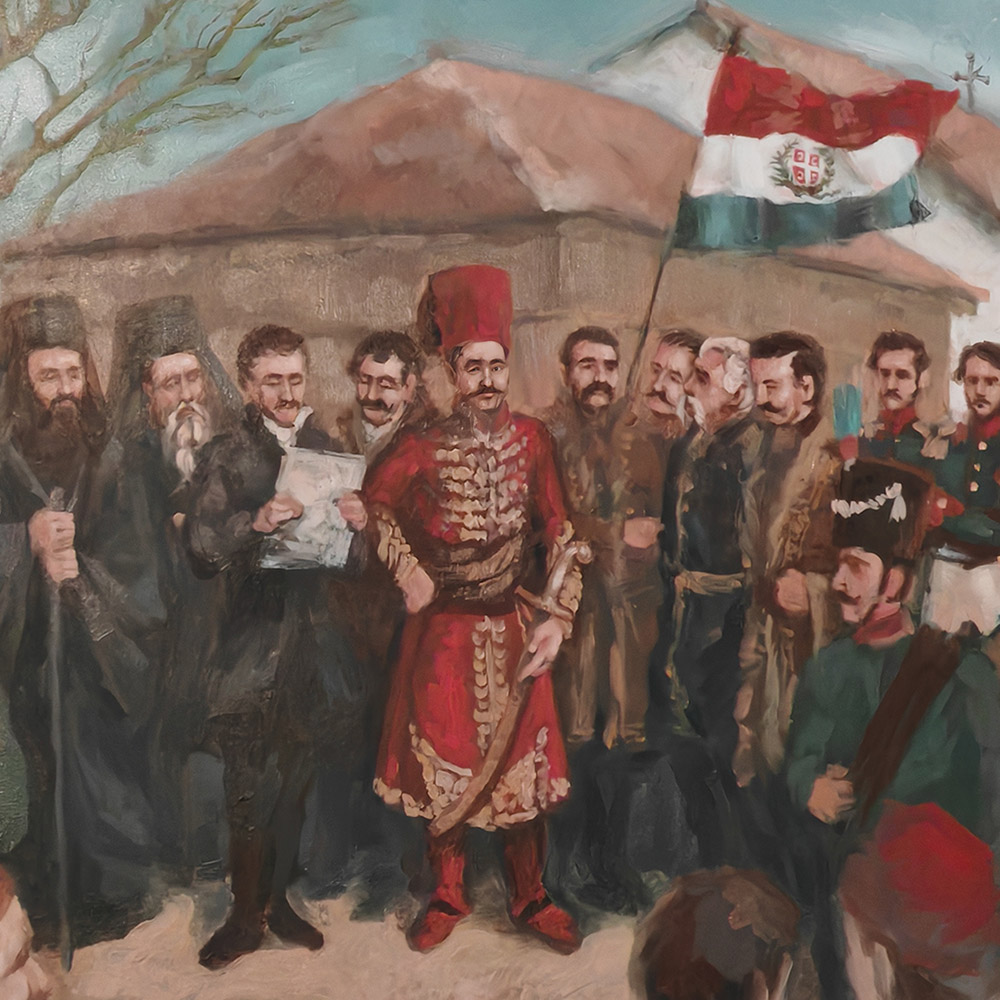
The Moment Serbia Entered Modern Europ...
Adopted at the Grand National Assembly in Kragujevac and confirmed by the oath of Prince Miloš, the Sretenje Constitution was an ambitious document for its...
Read more
-

Free Walking Tour – presenting Å...
The atmosphere. The people. The energy. Prices. Friends. Rivers. Nightlife. A sense of safety and genuine hospitality.
Read more
-
Family & Snow
In Serbia, snow is not just a weather condition – it is the scenery for family stories: first clumsy ski steps, snowballs that somehow always...
Read more