


In the Basin of the South Morava
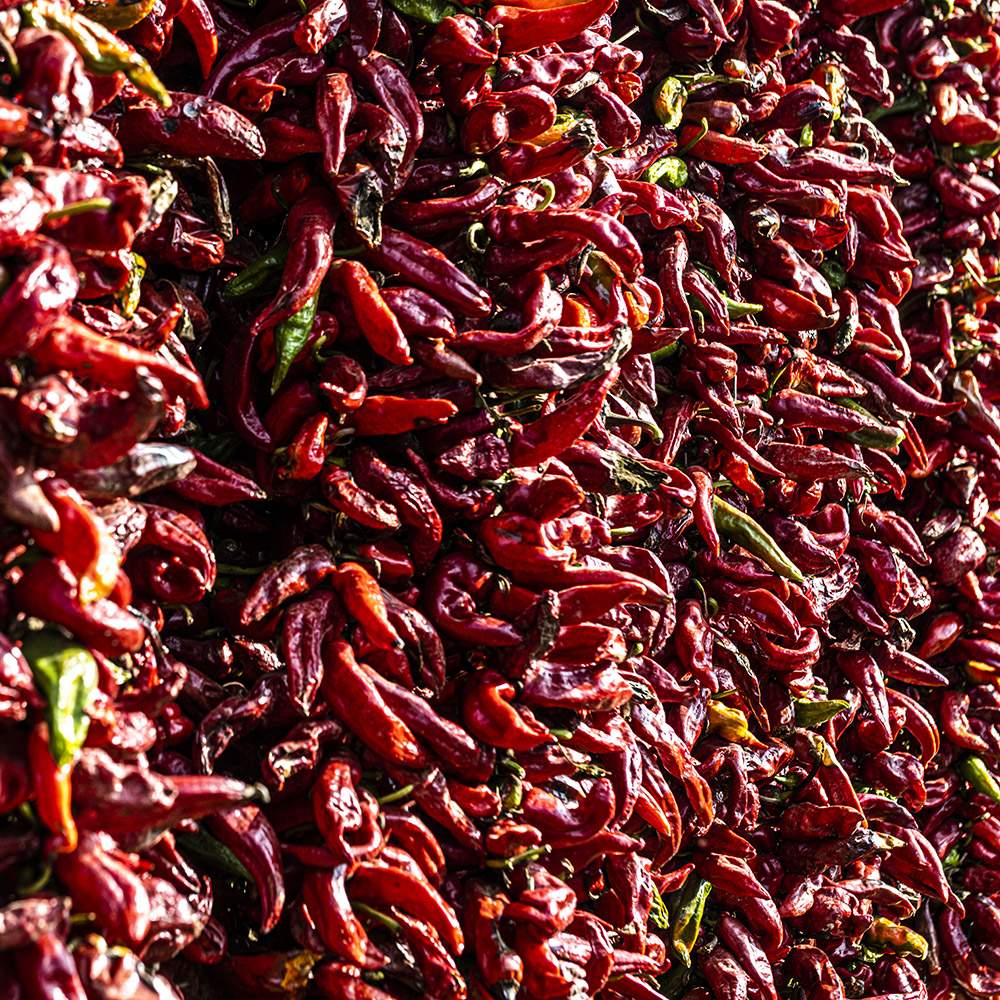
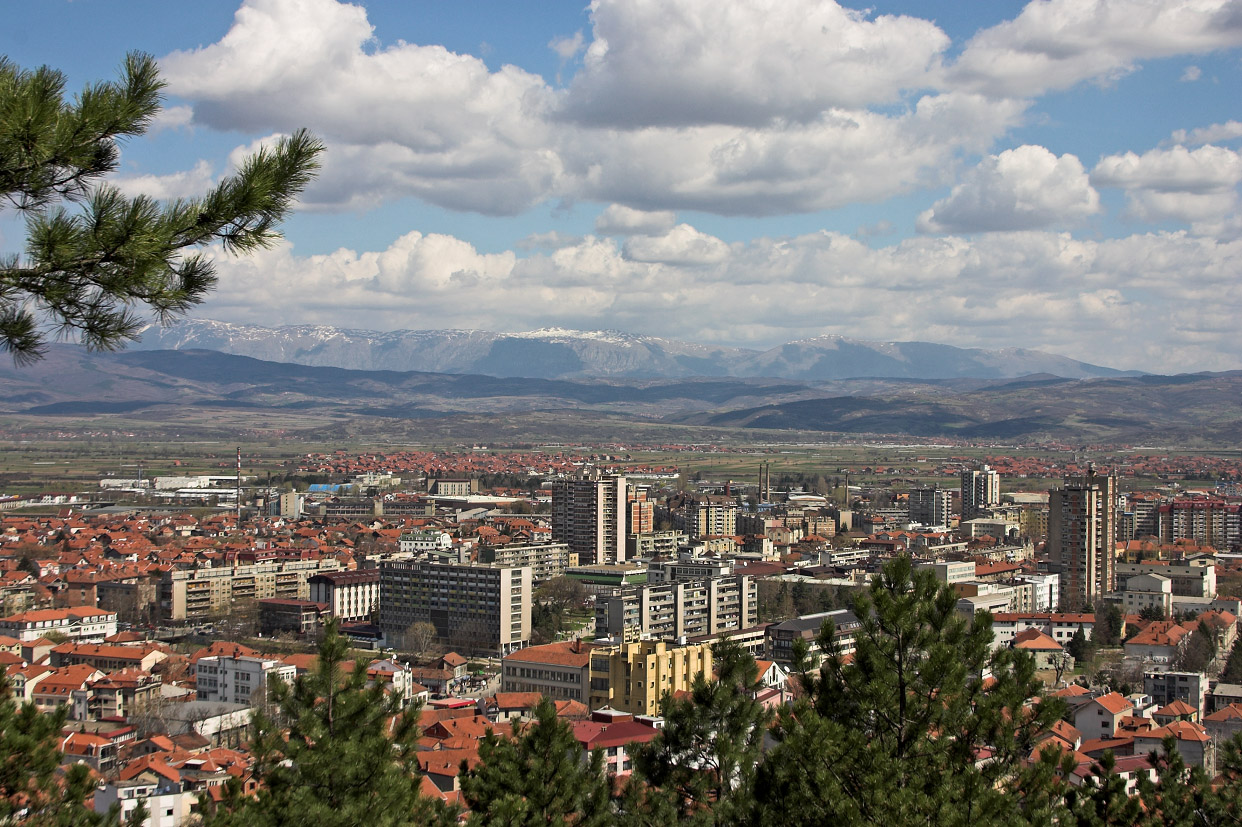
Leskovac lies in the fertile basin of southern Serbia, in a landscape that naturally invites life: the plains are gentle enough for gardens, while the surrounding hills and mountains are close enough for the town never to forget the scent of the forest. It is no coincidence that vegetables have been cultivated here for centuries, or that red peppers are almost a local currency – in Leskovac, flavor is not explained, it is grown. Leskovac is also remembered as a powerful industrial center of the textile industry, once known as the “Serbian Manchester,” but equally as a town of outstanding horticulture and gastronomy.
Layers of History – from Hisar to Chivalric Legends
If you want to understand Leskovac, start with the elevation that rises above it like a natural terrace: Hisar Hill. Today it is a landscaped picnic area and memorial park, with an ethno-archaeological complex and stories that do not end with a single century.
At the National Museum of Leskovac, the permanent exhibition “A Time Machine of the Leskovac Region” takes visitors through the history of the local area, leaving a particularly strong impression with the figure of the Serbian knight Nikola Skobaljić – a hero who long ago crossed from history into legend.
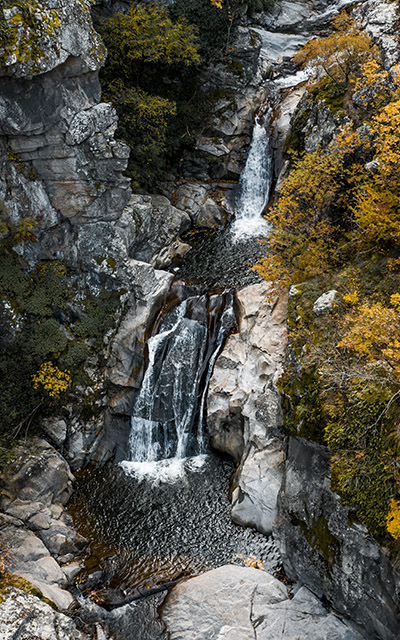
For those who prefer the “field” to display cases, the wider surroundings offer the story of Skobaljić Town (Green Town), a fortress above Vučje and the canyon of the Vučjanka River – a place where nature itself seems to have designed the defenses.
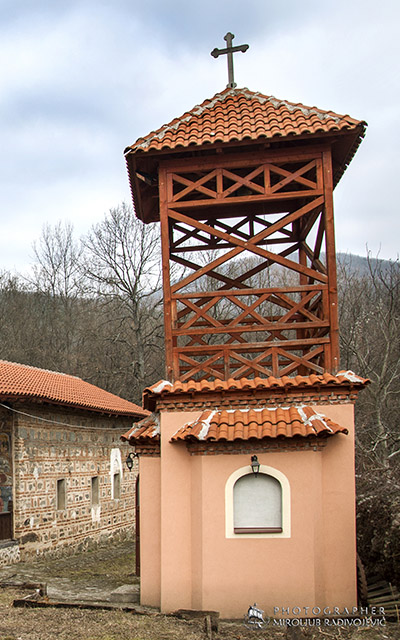
The center of Leskovac can surprise you: alongside valuable examples of European architecture, the urban core is adorned with the City Hall and the house of Šop Đokić, built in a recognizable Balkan style.
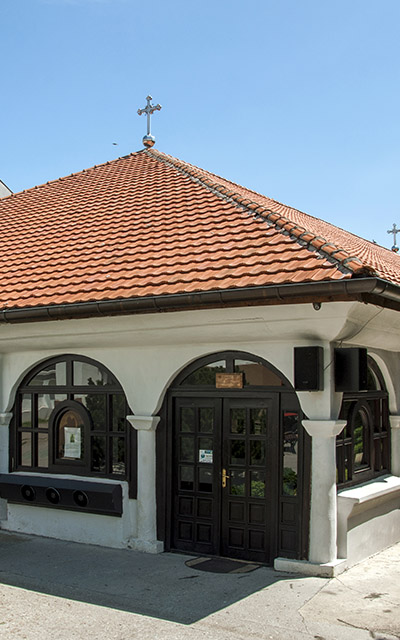
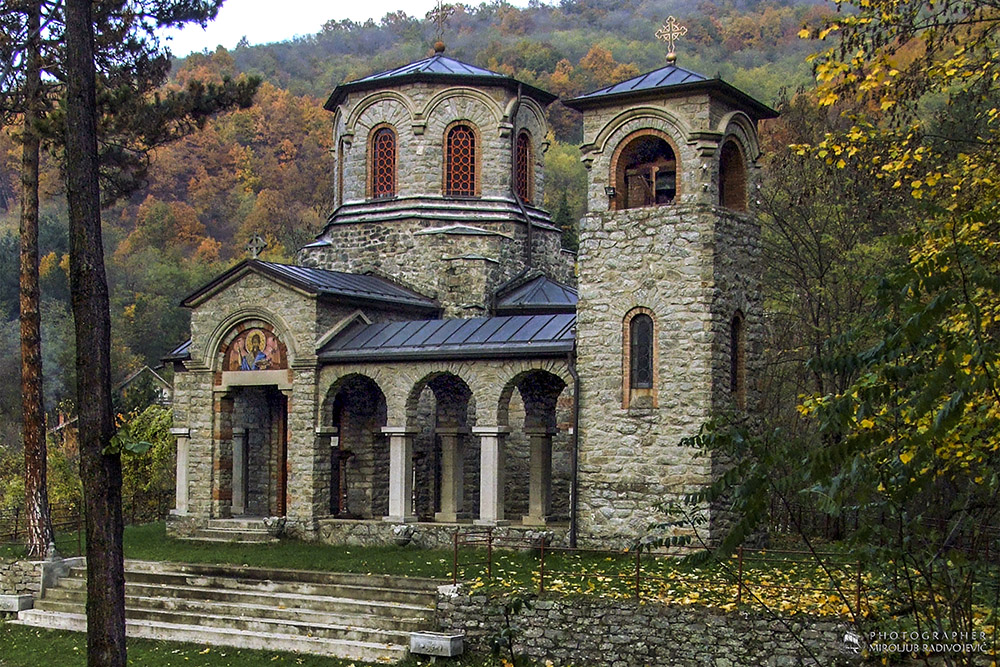
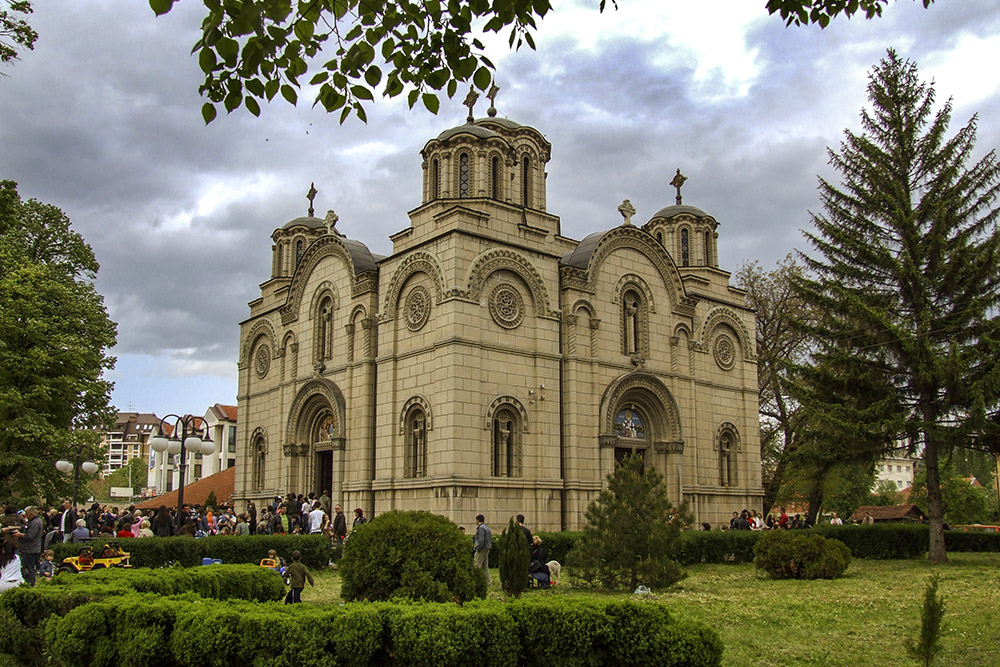
Orthodox churches also hold a special place in the city’s identity: the Church of the Nativity of the Most Holy Mother of God, known as Odžaklija, and the Cathedral Church of the Holy Trinity, which together testify to the strength and continuity of the local community.
And when you wish to understand how Leskovac truly “worked,” turn toward the village of Strojkovac: set in the ambiance of an old watermill, the Museum of the Textile Industry offers an excellent reminder of a time when the rhythm of the city, work discipline, and ambition all originated here.
A City in Architecture and Spirit – a European Façade, a Balkan Heart
Grill as Identity and a Good Reason to Stay Longer
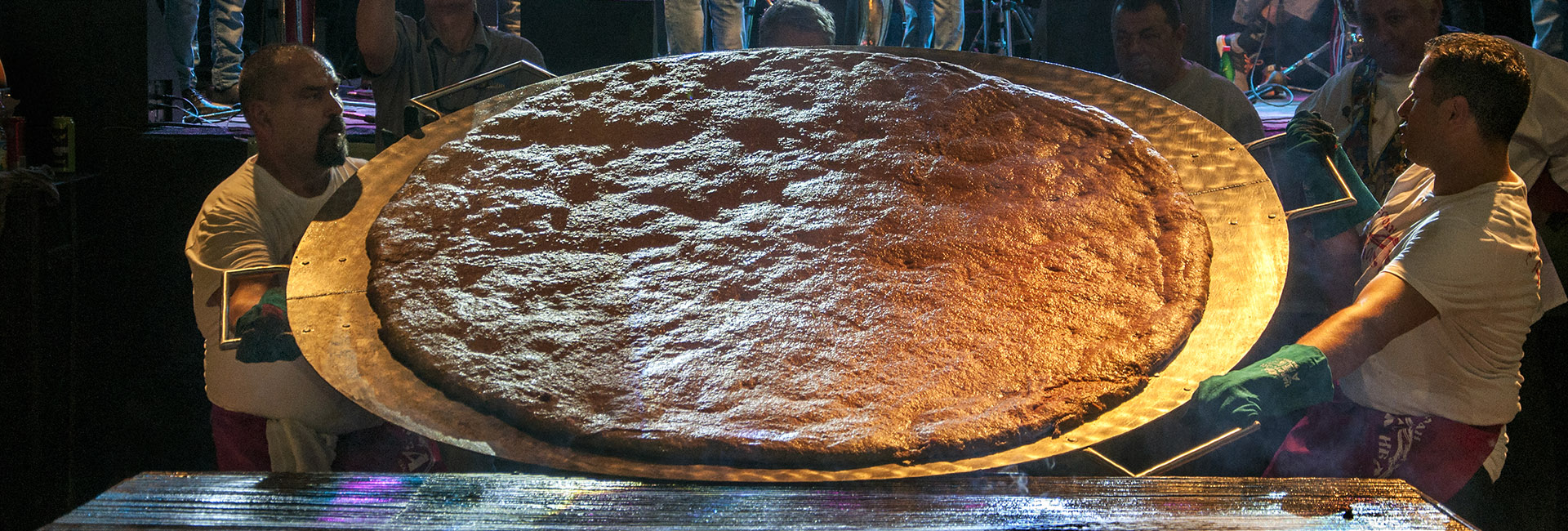
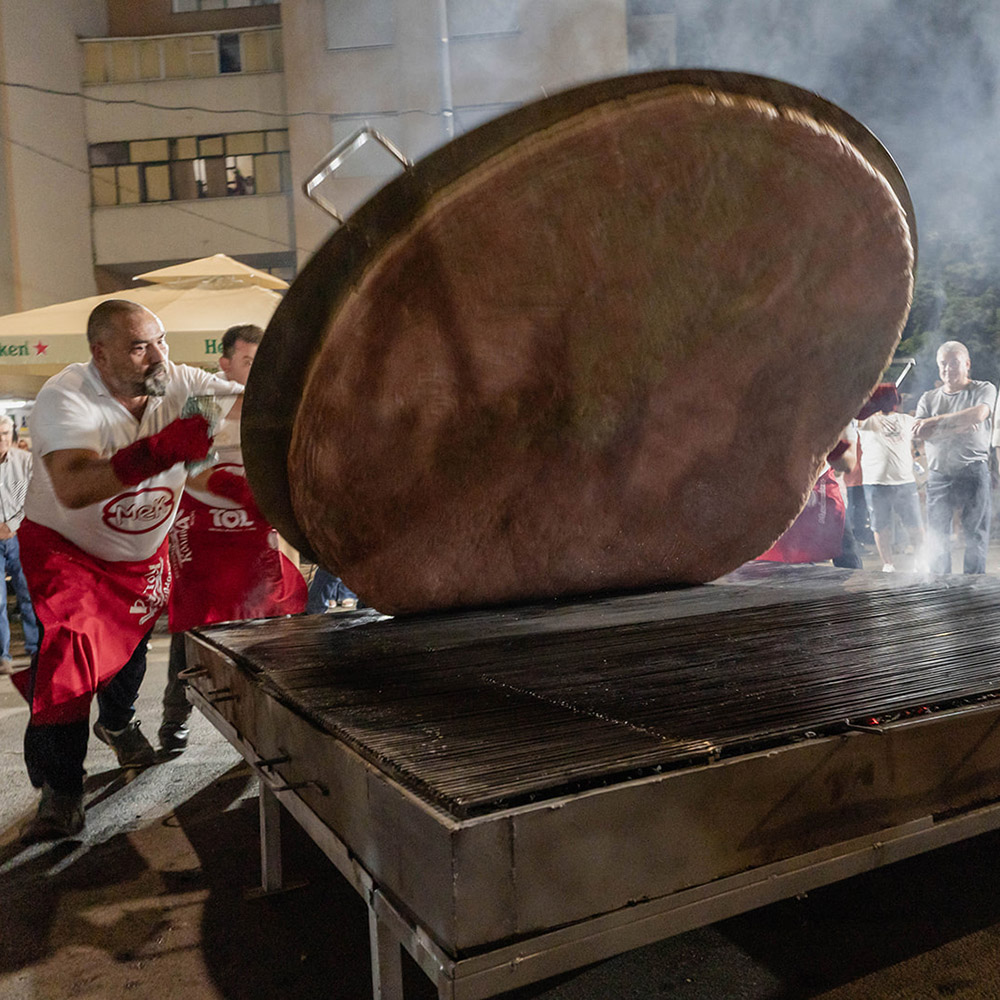
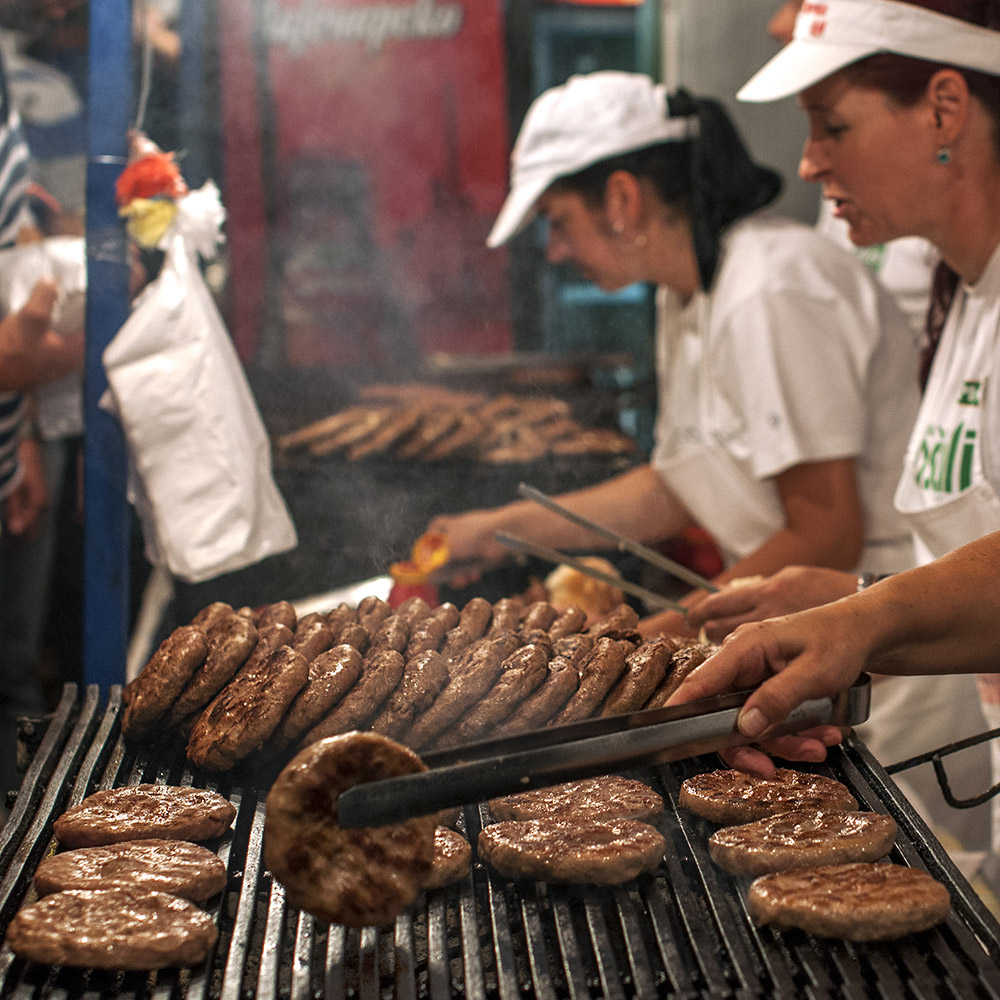
In Leskovac, grilled meat is more than food – it is the city’s calling card. Alongside it come mućkalica, the Leskovac “train,” ajvar, and a whole range of “small” specialties that feel like major events once they reach the table.
The highlight of this story is the Grill Festival (Roštiljijada), an event that each year turns the city into a stage of flavor, smoke (the good kind), and music, with programs that also include cultural content.
If you want a practical guide’s tip: arrive hungry, but curious as well. In Leskovac, “I’ll just have a taste” often turns into “where’s dessert… and one more portion.”
Near Leskovac lies one of Serbia’s most impressive archaeological surprises: Caričin Grad – Justiniana Prima (Latin: Justiniana Prima), an Early Byzantine metropolis built by Emperor Justinian I. The site is on UNESCO’s Tentative List, and walking among its remains creates that rare feeling of being both small and privileged at the same time.
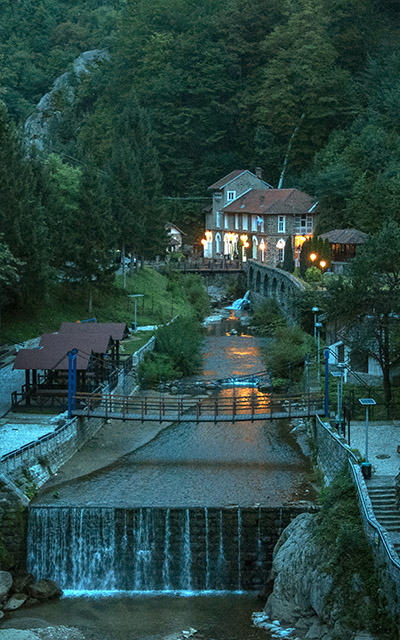
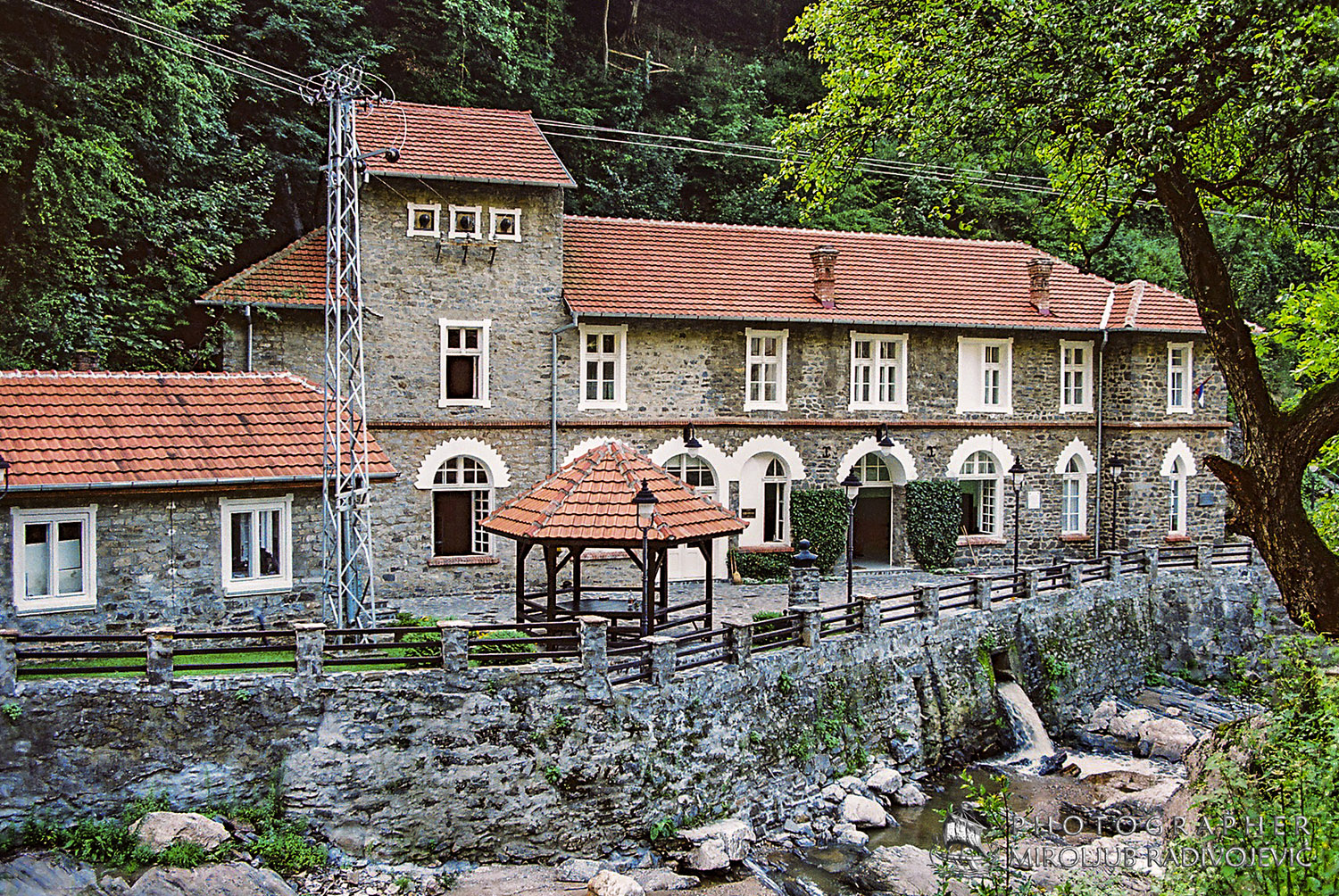
Another memorable excursion leads into the canyon of the Vučjanka River, to the Vučje Hydroelectric Power Plant – a place where water quite literally sparked a revolution. The plant began operating in 1903, just eight years after the hydroelectric power station at Niagara Falls. The greatest credit goes to Professor Đorđe Stanojević, the founder of electrification in the Kingdom of Serbia and a close friend of Nikola Tesla.
For a calmer pace, the nearby Jašunja Monastery complex and the Rudare Monastery are also recommended – points on the map that remind visitors that southern Serbia, alongside its energy, also holds a deep and restorative silence.
Justinian’s City and the Water That Brought Light
Capital of Culture 2026
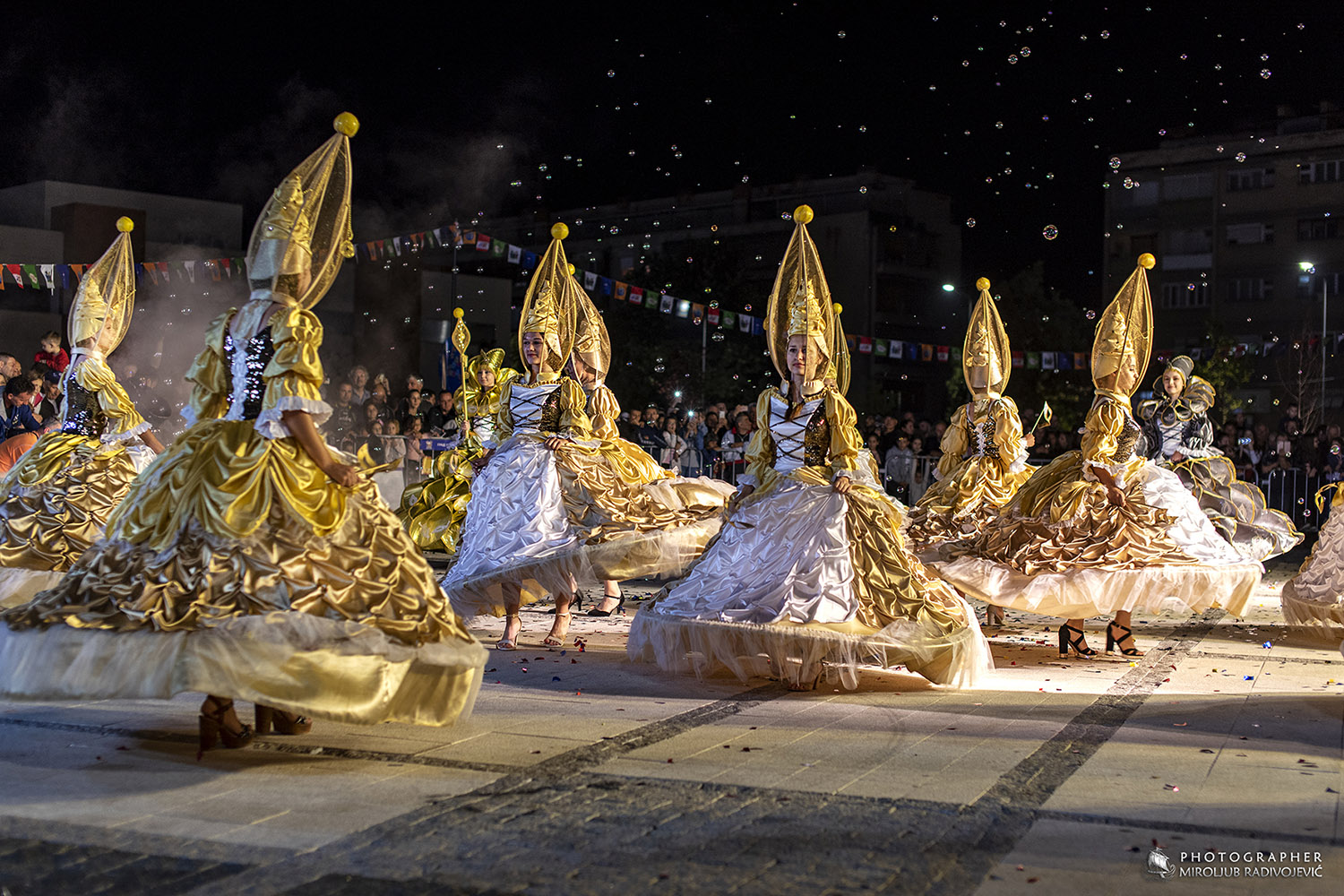
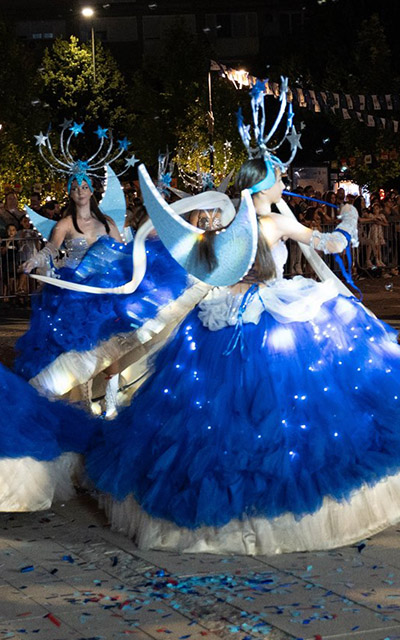
Throughout 2026, Leskovac will hold the title of “National Capital of Culture,” further intriguing visitors with a rich and diverse cultural program. The city will become a large open stage for contemporary art, traditional creativity, festivals, exhibitions, concerts, and encounters that connect the local scene with regional and European cultural currents. Special emphasis will be placed on public spaces, authentic urban locations, and citizen participation, allowing culture to step out of institutions and become part of everyday life.
Arriving in Leskovac is always filled with curiosity, while leaving it comes with gastronomic pleasure and stories that call you back again and again.
Lеskovac Tourist Organization
Masarikov trg bb, 16000 Leskovac
Stories
-
Aleksandra Reveals Her Serbia
In a sea of photos and short videos that pass through our screens every day, only a few truly make us pause and wish we...
Read more
-
Markets That Breathe: Where the City B...
Every market has its own character, like an old bohemian who knows exactly where to find the best rakija.
Read more
-
Devil’s Town – A Legend and a Natu...
Devil’s Town is not a place you arrive at by chance; you come to it like to a story someone told you long ago, one...
Read more
-
Easter – How We Celebrate It Here
On Easter morning, Serbia becomes one large house with many doors open to friends, relatives, and neighbors
Read more
-
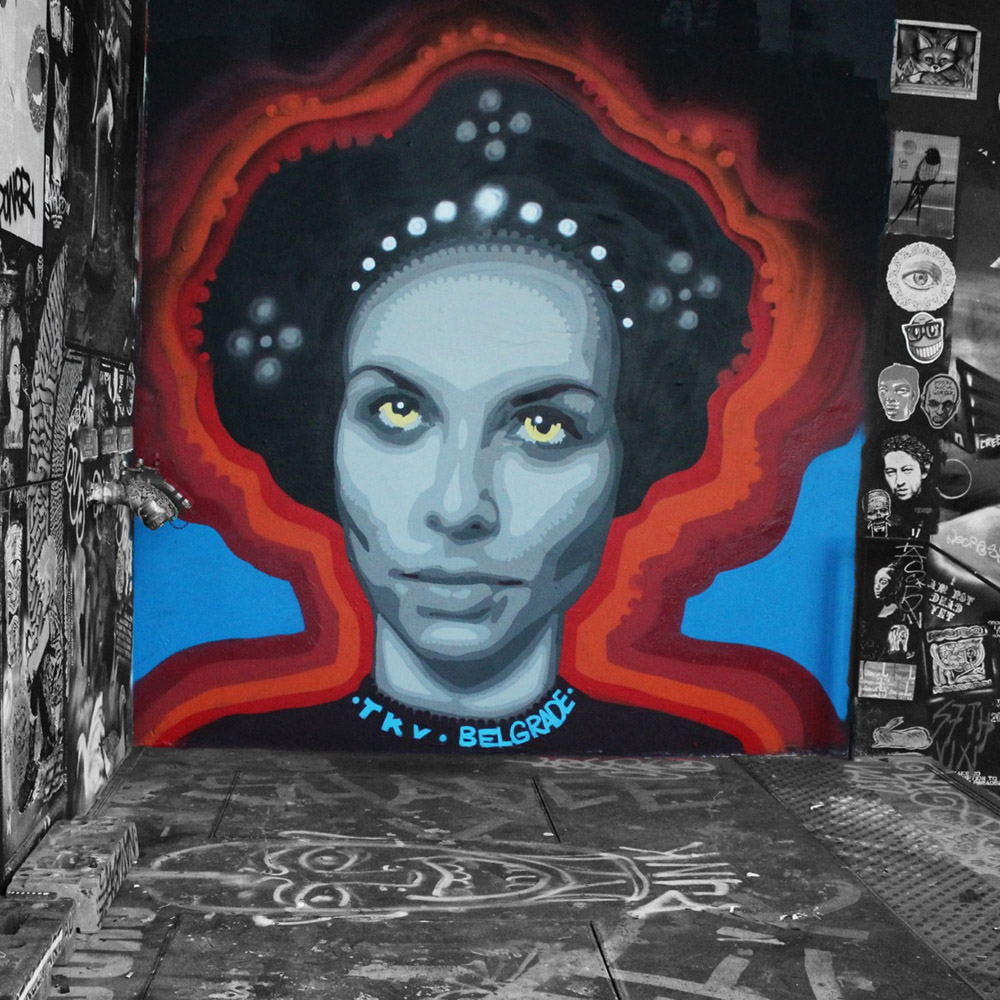
Street Art Guide through Serbia: In th...
On facades that were once silent, colors, messages, and emotions now intertwine, turning the streets of Serbia into open-air galleries beneath the wide sky
Read more
-
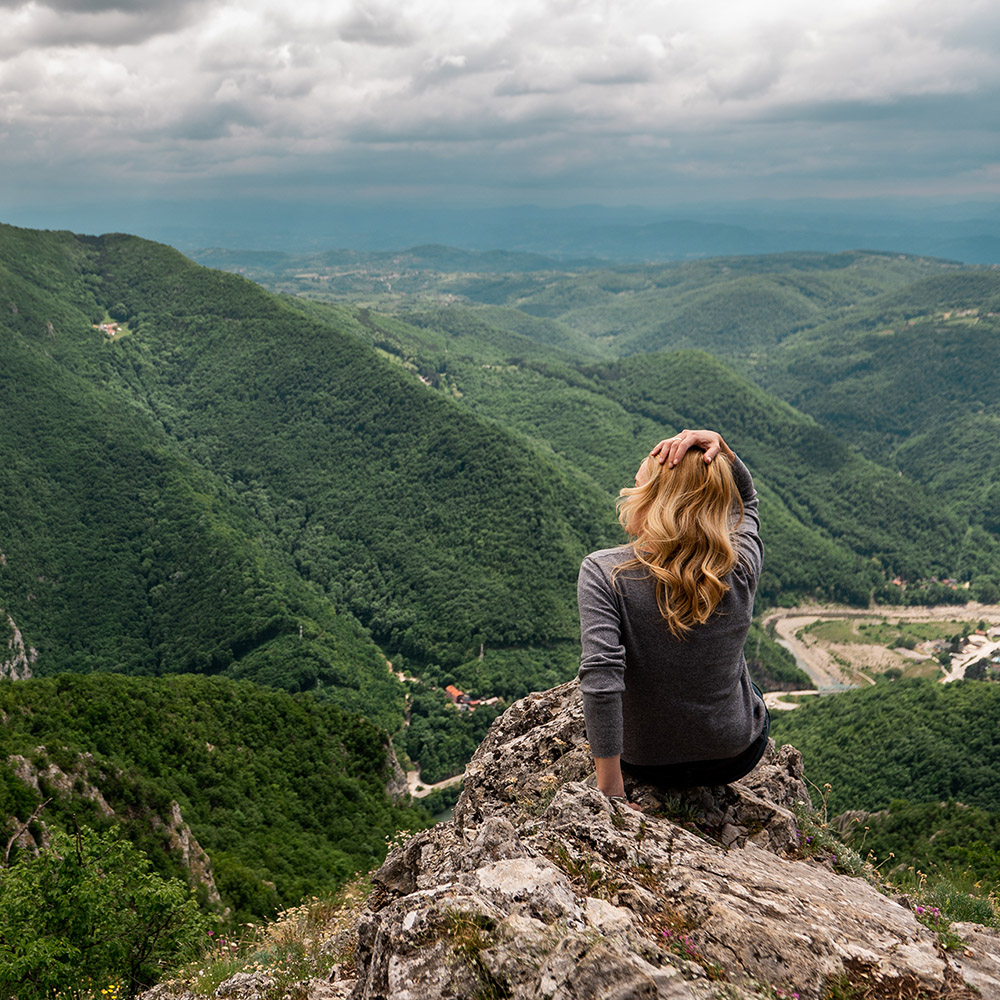
Spring Landscape of the Ovčar–Kabla...
For those who prefer to experience nature through movement, the gorge offers a full spectrum of activities
Read more
-
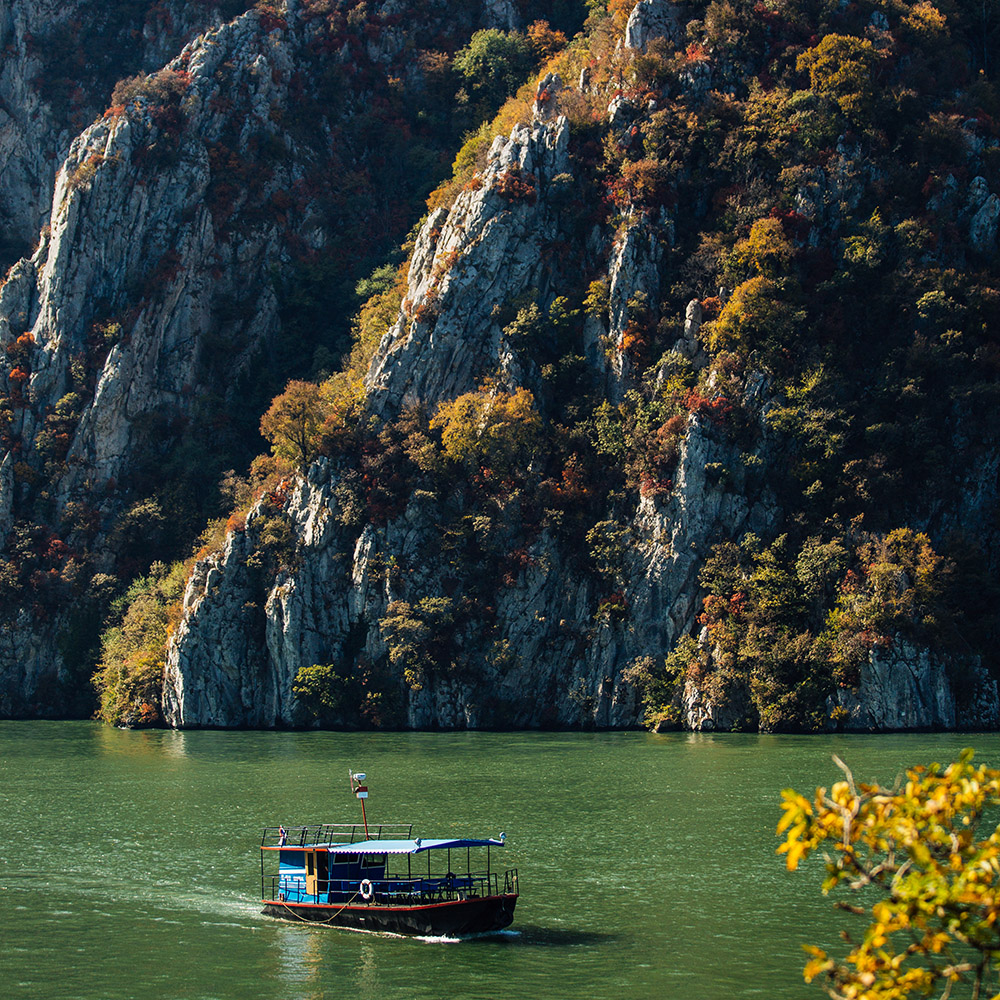
Serbia Without Filters – by Bike and...
And once you travel this route, from Golubac to the last cliffs of the gorge, you will realize that you have actually journeyed through time...
Read more
-

A Taste Worth Waiting a Year For
Traditionally, the pastries are brushed or drizzled with honey so that the marriage may be “sweet,” yet also enduring: honey preserves, completes, and binds things...
Read more
-
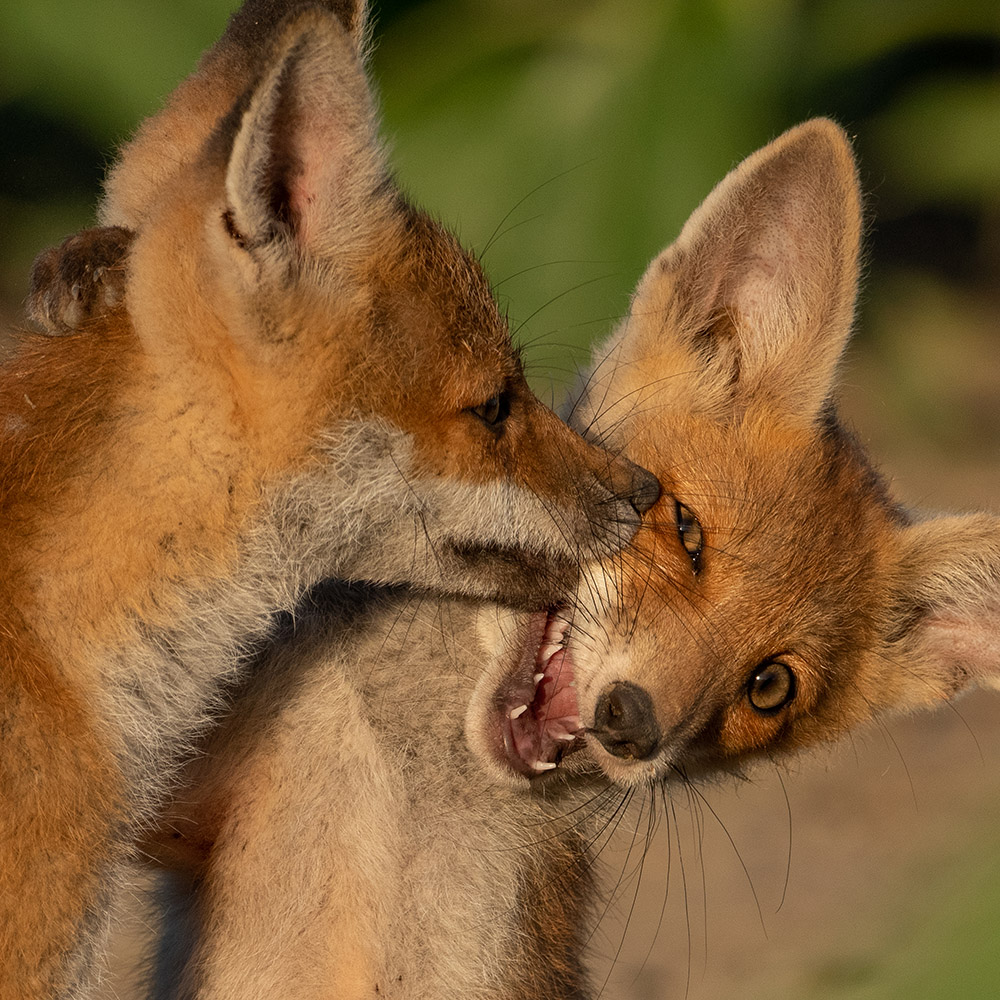
WILD SERBIA presenting Predrag Kostin
Humans are just a part of nature and, as such, should be aware and responsible for preserving it for future generations.
Read more
-
Weekend for Two
February is a month that can be cold, but never indifferent
Read more
EVENTS
*Translation powered by AI